Can NFTs Revolutionize Intellectual Property Rights?
5 December 2025
Non-Fungible Tokens (NFTs) have taken the digital world by storm. From digital art to music, and even tweets—NFTs have changed the way we perceive ownership in the digital space. But here's the real question: Can NFTs revolutionize Intellectual Property (IP) Rights?
With technology advancing at lightning speed, traditional IP frameworks often struggle to keep up. Enter blockchain-powered NFTs—offering transparency, proof of ownership, and potential solutions to longstanding IP challenges. Let's dive into how NFTs might redefine the way we protect and monetize intellectual property. 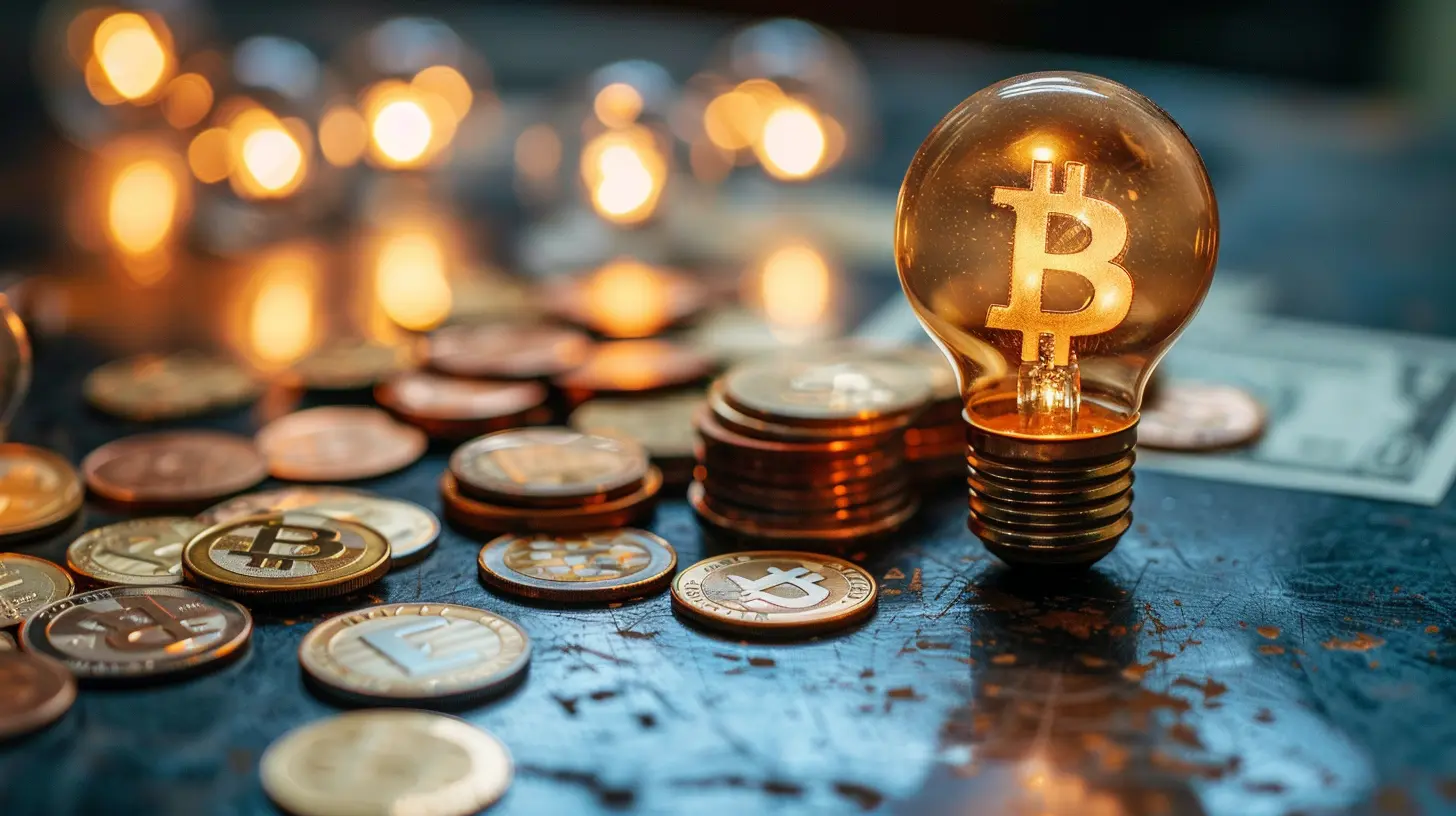
Understanding Intellectual Property Rights
Before we get into the NFT game, let's break down Intellectual Property Rights (IPR). These are legal protections granted to creators for their inventions, artistic works, trademarks, and patents. The primary goal? To prevent unauthorized use and ensure creators benefit financially from their work.However, enforcing IP laws has always been tricky, especially in the digital age. Copyright infringement, counterfeiting, and ownership disputes are rampant. So, is there a modern solution that can give creators the protection they deserve? That's where NFTs come in. 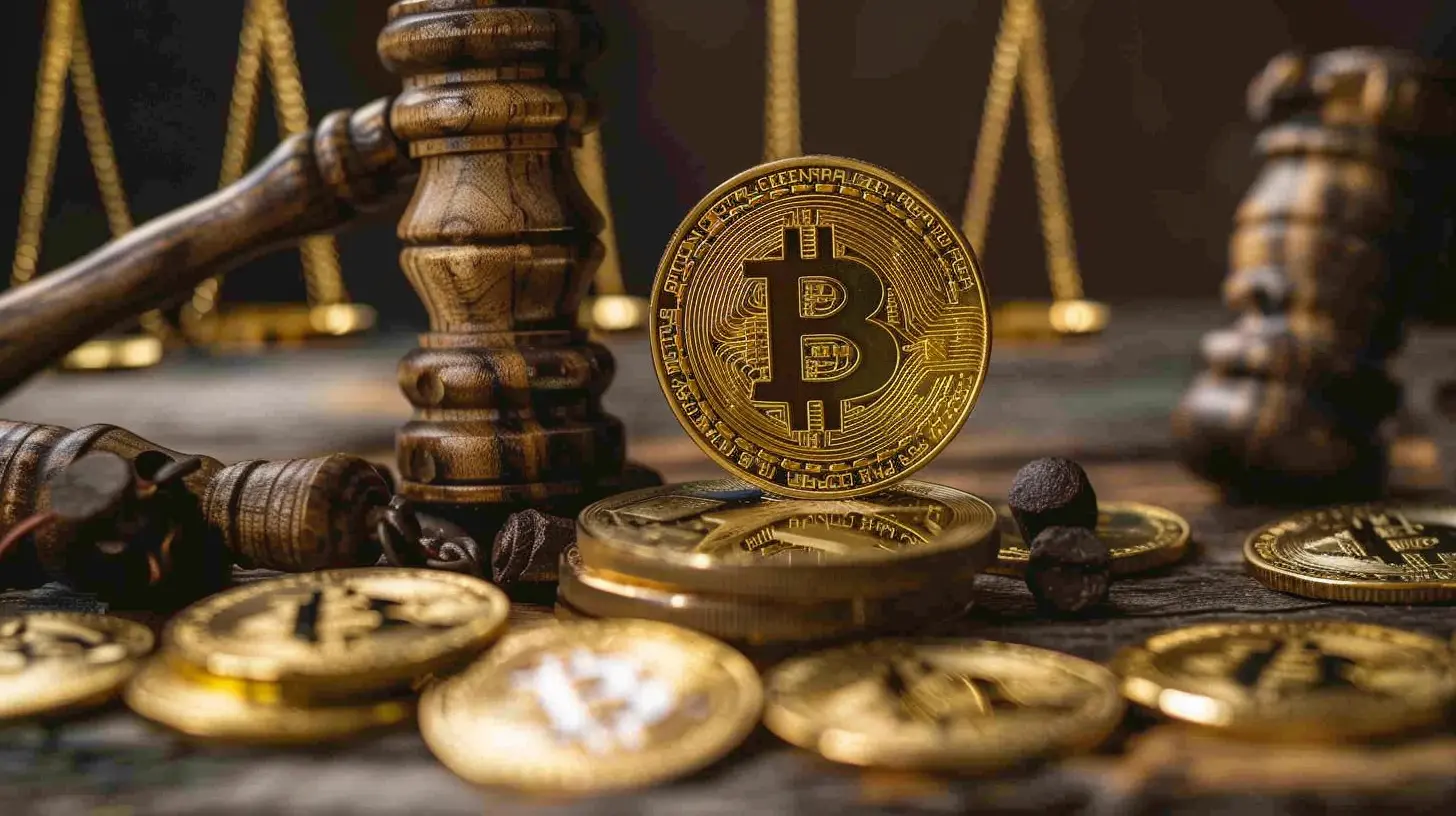
How NFTs Work: A Quick Refresher
NFTs are digital tokens stored on a blockchain. Unlike cryptocurrencies such as Bitcoin or Ethereum, each NFT is unique. This uniqueness means NFTs can represent exclusive ownership of digital or physical assets—from artwork and music to gaming items and real estate.The magic behind NFTs lies in blockchain technology. Each transaction is recorded on a decentralized ledger, making it nearly impossible to forge or manipulate. This is why many believe NFTs could be the perfect tool to protect intellectual property rights. 
The Potential of NFTs in Intellectual Property Rights
Could NFTs really be the game-changer that IP protection desperately needs? Here are a few ways they might revolutionize how intellectual property is managed:1. Proof of Ownership & Authenticity
One of the biggest headaches in intellectual property is proving who owns what. NFTs eliminate this problem.Since each NFT is stored on a public blockchain, ownership is transparent and verifiable. There’s no need for manual documentation, intermediaries, or endless legal battles. If an artist mints an NFT linked to their digital artwork, they have indisputable proof of ownership.
Think of it like a digital fingerprint—unique, tamper-proof, and permanently recorded.
2. Smart Contracts: Automating IP Protection
Imagine if every time someone used your music, artwork, or writing, you automatically got paid. That’s exactly what smart contracts can do.Smart contracts are self-executing agreements coded into NFTs. These contracts automatically enforce terms of use, licensing agreements, and royalty distributions.
For example, if an artist sells a piece as an NFT, they can program it to receive a percentage every time it’s resold—guaranteeing lifetime earnings for creators.
3. Reducing Copyright Infringement
Online piracy is a nightmare for creators. From music to books and art, countless works are stolen, replicated, and distributed without permission.NFTs can significantly reduce copyright infringement because they provide irrefutable proof of original ownership. If someone uses copyrighted work without permission, a publicly visible blockchain record can serve as strong legal evidence in a dispute.
Will this completely eliminate piracy? Probably not. But it’s a big step toward better copyright enforcement.
4. Monetizing Digital Content Like Never Before
Traditionally, artists and content creators rely on third-party platforms like YouTube, Spotify, or Etsy to monetize their work. But these platforms take hefty cuts and control distribution.NFTs allow creators to sell directly to their audience without intermediaries. If a musician releases an album as an NFT, they can sell it directly to fans—keeping more of their earnings and maintaining creative control.
5. Better Licensing and Rights Management
The current licensing system is outdated and complicated. NFTs offer a simplified and automated approach. Instead of tedious paperwork, an NFT can store specific usage rights directly on the blockchain. This makes licensing clearer, more efficient, and enforceable.
Challenges NFTs Face in IP Protection
As revolutionary as NFTs sound, they’re not without challenges. Here are a few roadblocks that need addressing:1. Legal Uncertainty
NFTs exist in a legal gray area. While they prove ownership of a digital asset, they don’t automatically grant copyright unless explicitly stated. Laws need to adapt to recognize NFTs as legally binding proof of ownership and copyright rights.2. Scams and Fraud
Ironically, despite their promise of security, NFTs are not immune to scams. People have stolen others' artwork, minted them as NFTs, and sold them for profit. Until stricter regulations are in place, creators must remain vigilant.3. Environmental Impact
NFTs, especially those on Ethereum, consume massive energy due to blockchain mining. While solutions like eco-friendly blockchains exist, widespread adoption is still in progress.4. Adoption Barriers
Many artists, musicians, and content creators don’t fully understand NFTs yet. There’s a learning curve, and without proper education, adoption might be slower.The Future of NFTs in Intellectual Property
So, will NFTs revolutionize intellectual property rights? The answer is: potentially, but not overnight.For NFTs to truly transform IP rights, key steps need to happen:
- Clearer Legal Frameworks – Governments and legal institutions need to officially recognize NFTs as a legitimate IP protection tool.
- Security Measures Against Fraud – Better NFT verification systems to prevent stolen content from being minted and sold.
- Broader Adoption & Education – More creators must understand how NFTs work and how they can leverage them for IP protection.
The concept of digital ownership and copyright enforcement is evolving rapidly. NFTs bring incredible opportunities, but they’re just one piece of the puzzle in modernizing intellectual property rights.
Final Thoughts
NFTs have the potential to revolutionize intellectual property rights, making ownership and copyright protection more transparent, efficient, and profitable for creators. However, legal and ethical challenges must be addressed before they become a standard tool for IP protection.One thing is clear: The way we view digital ownership is changing forever. Whether NFTs become the ultimate solution or just part of the bigger picture, they’ve already started reshaping the Intellectual Property landscape.
What do you think? Will NFTs change the future of intellectual property rights, or are they just another passing trend?
all images in this post were generated using AI tools
Category:
CryptocurrencyAuthor:

Audrey Bellamy
Discussion
rate this article
2 comments
Kendra Hahn
Insightful article! Excited for future developments.
December 23, 2025 at 12:32 PM
Audrey Bellamy
Thank you! I'm glad you found it insightful. Exciting times ahead!
Caden Snyder
Great insights! Excited to see how NFTs reshape intellectual property in the future!
December 5, 2025 at 3:31 AM
Audrey Bellamy
Thank you! I'm glad you found it insightful—exciting times ahead for NFTs and intellectual property!