Cryptocurrency Mining: Is It Still Profitable Today?
11 February 2026
Cryptocurrency mining was once a gold rush, with early adopters striking digital gold by solving complex mathematical puzzles. But as technology advances, competition stiffens, and energy costs skyrocket, many are left wondering: Is crypto mining still a worthwhile endeavor in 2024?
Let's break it down and see whether mining is still a digital goldmine or just a fading dream. 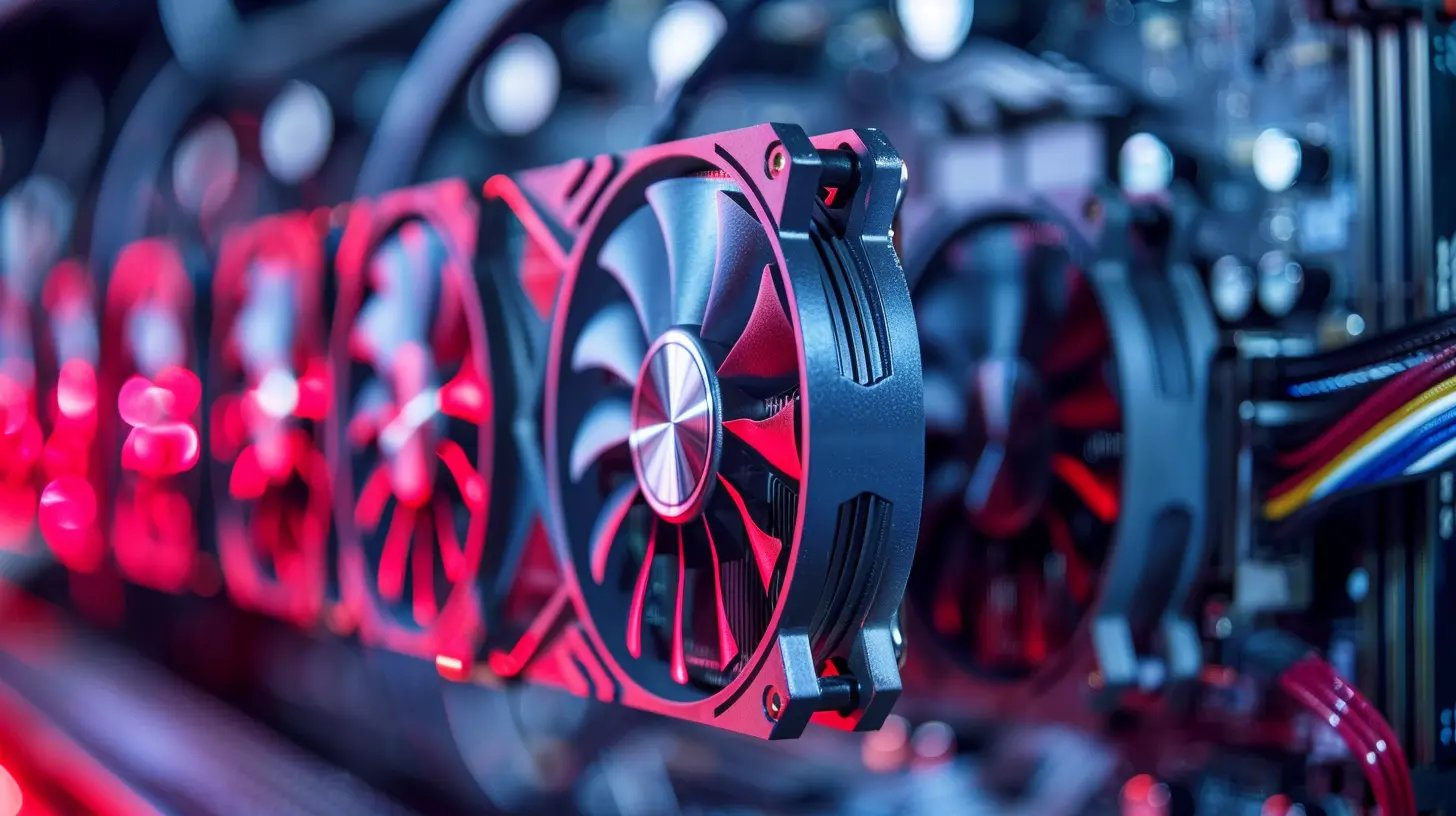
What Is Cryptocurrency Mining?
Before we dive into profitability, let's go back to basics. Cryptocurrency mining is the process of verifying transactions and adding them to a public ledger known as the blockchain. Miners use high-powered computers to solve complex cryptographic puzzles, and in return, they receive rewards in the form of cryptocurrency.Sounds simple, right? Well, not so fast. Mining is no longer as easy as plugging in a computer and watching Bitcoin roll in. It demands expensive hardware, massive electricity consumption, and strong technical knowledge. 
Factors Affecting Cryptocurrency Mining Profitability
Mining isn’t the same as it was in 2010. Several key factors now influence whether it's worth the effort:1. Hardware Costs: The Price of Power
Back in the day, you could mine Bitcoin with a basic CPU. Then came GPUs, and now, Application-Specific Integrated Circuits (ASICs) dominate the industry. These machines are powerful but come with a hefty price tag—often ranging from $2,000 to $15,000 per unit.If you're considering mining, you’ll need to factor in hardware costs and potential upgrades to stay competitive. Outdated equipment won’t generate enough returns to cover expenses.
2. Electricity Costs: The Biggest Expense
Mining isn't just about owning powerful hardware; you need cheap electricity to stay profitable. The process consumes enormous amounts of electricity, and in some regions, rising energy costs make mining nearly impossible.For example, mining 1 Bitcoin can require up to 150,000 kWh of electricity, which, depending on where you live, can cost thousands of dollars. Unless you have access to low-cost or renewable energy, profits can quickly vanish.
3. Mining Difficulty: More Competition, Less Reward
Over time, cryptocurrency networks adjust mining difficulty to maintain a consistent block production rate. As more miners join the network, the puzzles become harder, and earning rewards becomes tougher.Back in 2010, mining Bitcoin was like digging for gold in your backyard. Today, it's like competing in an Olympic-level gold rush with thousands of professionals using high-tech gear.
4. Crypto Market Prices: The Ultimate Gamble
Mining profitability largely depends on the price of the cryptocurrency you're mining. If Bitcoin is trading at $60,000, mining is far more attractive than when it’s at $20,000.Since crypto prices are highly volatile, profitability can fluctuate wildly from one month to the next. 
Mining Different Cryptocurrencies: Is Bitcoin Still King?
Bitcoin mining might be the most well-known, but it's not the only option. Other cryptocurrencies offer attractive alternatives for miners.1. Ethereum (ETH) – A Lost Opportunity?
Ethereum was once a top choice for GPU miners, but with the network's shift to Proof-of-Stake (PoS) in 2022 ("The Merge"), mining is no longer possible. If you were hoping to mine ETH, you're out of luck.2. Altcoins: A New Frontier?
Many miners are now looking into alternative cryptocurrencies such as:- Litecoin (LTC) – Uses the Scrypt algorithm and still allows ASIC mining.
- Monero (XMR) – Designed for CPU mining, making it a more accessible option for everyday users.
- Ravencoin (RVN) – A GPU-friendly coin with a loyal mining community.
While altcoins can be profitable, they carry higher risks due to lower adoption and price volatility. 
Mining Pools vs. Solo Mining: Which One Should You Choose?
There are two ways to mine crypto: solo mining and mining pools.1. Solo Mining: High Risk, High Reward
Mining alone means you keep all the rewards, but the chances of successfully solving a block are slim unless you have a massive mining operation.2. Mining Pools: A Team Effort
Mining pools allow individuals to combine their computational power and share rewards. While earnings are smaller, payouts are more consistent. Popular mining pools include:- Slush Pool
- F2Pool
- Antpool
Pooling is often the best strategy for small miners who want steady returns.
Cloud Mining: A Scam or a Real Opportunity?
Cloud mining services offer an alternative to buying expensive hardware by allowing users to rent computing power from large mining farms.While this sounds appealing, many cloud mining schemes are scams. Be extremely cautious, do your research, and stick to reputable providers. If a deal looks too good to be true, it probably is.
Environmental Concerns: The Dark Side of Mining
Cryptocurrency mining has come under fire for its environmental impact. Bitcoin mining alone consumes more electricity than some countries, leading to increased regulatory scrutiny.Some miners are shifting to green energy solutions like solar or hydroelectric power. However, unless miners adopt sustainable practices, stricter regulations could make mining less viable in the future.
The Future of Cryptocurrency Mining
So, is crypto mining still profitable? The answer depends on several factors—including hardware efficiency, electricity costs, mining difficulty, and market conditions.Who Should Consider Mining in 2024?
- If you have access to cheap electricity, crypto mining can still be profitable.- If you're willing to invest in high-end ASIC miners, you may generate returns—but expect fierce competition.
- If you're drawn to altcoins, mining can be a fun side hustle, but don’t expect guaranteed profits.
Who Should Avoid Mining?
- If you live in an area with high electricity costs, mining will likely eat up your profits.- If you're expecting quick and easy money, you’ll probably be disappointed.
- If you’re not tech-savvy, setting up and maintaining mining rigs can be an overwhelming task.
Final Verdict: Is It Worth It?
If you're looking for a full-time business, mining is no longer the easy money-maker it once was. Big mining farms dominate the landscape, and the required investment is higher than ever. However, if you have the resources, patience, and willingness to experiment, mining can still be profitable—just not as easy as it used to be.Would it be smarter to invest in cryptocurrency directly instead of mining? For many, that might be the better option!
all images in this post were generated using AI tools
Category:
CryptocurrencyAuthor:

Audrey Bellamy
Discussion
rate this article
2 comments
Nolan McCartney
Great article! It's essential to stay informed about the ever-changing landscape of cryptocurrency mining. Your insights on profitability provide a clear perspective for both beginners and seasoned miners. Keep up the fantastic work in guiding us through this complex topic!
March 3, 2026 at 12:22 PM
Audrey Bellamy
Thank you for your supportive comments! I'm glad you found the insights helpful. Your engagement is much appreciated!
Joel McCune
Thank you for the insightful article! It's intriguing to see how the profitability of cryptocurrency mining fluctuates with market conditions and technological advancements. Your analysis highlights important factors to consider for those thinking about entering the space. I appreciate the balanced perspective on the challenges and opportunities in today’s environment.
February 13, 2026 at 5:05 AM
Audrey Bellamy
Thank you for your thoughtful comment! I'm glad you found the analysis helpful. The dynamic nature of cryptocurrency mining indeed presents both challenges and opportunities.