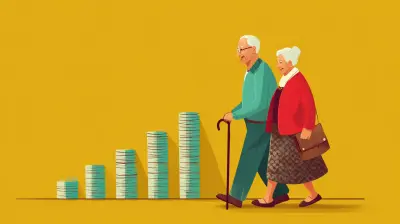
Gold as a Hedge Against Currency Devaluation
25 July 2026
Ever feel like your money just doesn’t go as far as it used to? Like you need a small fortune just to buy eggs and milk? Yeah, that’s inflation at work. And behind inflation, there’s often something even sneakier—currency devaluation. When your country’s money loses value, almost everything becomes more expensive. That’s where gold struts in like a superhero wearing a shiny cape. Let’s talk about how gold has become the “go-to” hedge against currency devaluation and why it might earn a spot in your investment lineup.
What Is Currency Devaluation, Anyway?
Okay, before we start worshipping shiny metal, let’s break down what currency devaluation actually is.Currency devaluation happens when a country intentionally lowers the value of its currency relative to others. Why would any sane government do that? Sometimes it’s done to boost exports by making them cheaper. Other times, it's a side effect of economic issues—like printing too much money (looking at you, hyperinflation).
The bottom line: when your money’s worth less, your purchasing power takes a hit. And nobody wants that.
So, Why Gold?
Picture gold as that one friend who always keeps their cool—even when everything else is falling apart. Throughout history, gold has kept its value when paper currencies were crashing and burning. Unlike fiat money (which is basically backed by government promises), gold is tangible, limited in supply, and universally respected.Quick History Lesson
From ancient civilizations to modern central banks, gold has always been the real MVP of value storage. Even when paper money was introduced, gold remained king. Many world currencies were tied to gold—until the gold standard was ditched in the 20th century. Ever since, gold’s been the fallback asset during economic chaos.
How Gold Acts as a Hedge
Let’s dive into the nitty-gritty of how gold acts as a hedge against currency devaluation.1. Limited Supply = Built-in Value
Gold isn’t just lying around waiting to be scooped up. It takes serious effort, time, and money to mine it. This scarcity gives gold a kind of built-in value. Governments can print more money, but they can’t just whip up more gold. That imbalance makes gold a powerful safety net when paper money loses strength.2. Globally Recognized
Gold doesn’t care about borders. Whether you’re in Tokyo, Paris, or Timbuktu, gold is gold. That universal appeal means it holds value regardless of your local currency's ups and downs. If your currency tanks, gold usually holds (or increases) its value in your native unit.3. Investor Psychology
Don’t underestimate the power of mass behavior. When investors start seeing red flags—economic uncertainty, rising inflation, political instability—they flock to gold like moths to a flame. This stampede tends to push gold prices up right when fiat currencies are taking a nosedive.
Real-Life Examples: Gold Doing Its Thing
Venezuela: The Poster Child
Let’s talk about Venezuela—a country where massive inflation decimated the bolívar. What did people start hoarding? Yep, good ol’ gold. Many turned to it for survival. Gold retained value while their currency became practically worthless.The 2008 Financial Crisis
Remember when the financial world nearly imploded? Gold soared while bank stocks crumbled and paper money wobbled. Investors desperately sought safe havens, and gold delivered.COVID-19 Pandemic
In 2020, when the world hit pause, uncertainty skyrocketed. Central banks started printing money like there was no tomorrow. Surprise, surprise—gold hit all-time highs. Coincidence? We think not.How to Invest in Gold (Without Digging It Up Yourself)
No need to grab a pickaxe or pan for gold in a river. These days, there are several ways to hitch a ride on the gold train.1. Physical Gold
This includes coins, bars, or even jewelry. It’s old school and satisfying to hold, but you'll need a safe spot to stash it. (No, under your mattress doesn’t count.)2. Gold ETFs
Exchange-Traded Funds (ETFs) let you invest in gold without physically owning it. Super convenient and great for beginners.3. Gold Mining Stocks
If you’re okay with a little more risk, investing in companies that mine gold could offer bigger returns.4. Digital Gold
Yep, we’re in the 21st century. Some fintech platforms now offer the ability to buy, sell, or even gift fractional gold online. Easy, breezy, and no need for a vault.Things to Watch Out For
Gold’s not perfect. Like that friend who means well but sometimes oversleeps and misses brunch, it has its flaws.1. No Interest or Dividends
Unlike stocks or bonds, gold doesn’t pay you anything while you hold it. You're banking entirely on price appreciation.2. Volatility
Although it's seen as a "safe haven," gold prices can still swing up and down. It’s not always a smooth ride.3. Storage and Security
If you go the physical route, you’ll need a secure place to store it. Home safes, bank vaults, armed guards (okay, maybe not that far)—it all adds to the cost.How Much Gold Should You Own?
This really depends on your risk tolerance and financial goals. Most experts suggest 5-10% of your portfolio in gold or other precious metals. It’s not something you bet the farm on—it’s more like the fire extinguisher in your kitchen. You hope you never need it, but you’re glad it’s there when things get spicy.Gold vs. Other Hedging Options
Let’s compare gold to a few other popular hedging choices:| Hedge Asset | Pros | Cons |
|-------------------|----------------------------------|----------------------------------|
| Gold | Timeless, inflation-proof | No income, storage issues |
| Real Estate | Tangible, rental income | High entry cost, not liquid |
| Cryptocurrencies | High potential, decentralized | Super volatile, less stable |
| Bonds | Stable income | Can struggle in high inflation |
Gold often comes out on top when currencies are losing value because it doesn’t rely on a government’s promise. It just...exists. Solid, sparkly, and reliable.
Final Thoughts: Is Gold Your Financial Seatbelt?
Let’s face it—the world’s financial landscape isn’t exactly a smooth ride. Between political dramas, pandemics, and good ol’ inflation, it’s a bumpy road. Gold acts like a seatbelt in that rollercoaster ride—quietly doing its job, keeping you safer when things get wild.Don’t see gold as your ticket to instant wealth. Instead, think of it as a protective layer, a kind of financial armor when the money printer goes brrr. If you're worried about your currency losing value, it might be time to invite a little gold into your portfolio.
So, is it time to get your glitter on?
all images in this post were generated using AI tools
Category:
Gold InvestmentAuthor:

Audrey Bellamy
Discussion
rate this article
1 comments
Berenice Wilkerson
Gold's historical role as a store of value makes it a compelling hedge against currency devaluation. In times of economic uncertainty, its tangible nature and intrinsic value often attract investors seeking stability, particularly when confidence in fiat currencies wavers.
July 28, 2026 at 11:05 AM
Audrey Bellamy
You make a strong point. Gold's enduring appeal during economic turbulence highlights its unique position as a secure asset. Its tangible value truly offers a refuge when confidence in currencies falters.