How AI Is Influencing Modern Diversification Tactics
6 November 2026
In the ever-evolving world of finance, diversification has long been the go-to strategy for managing risk and maximizing returns. But just when you thought you had it all figured out, enter artificial intelligence, or AI, swooping in like a superhero to redefine how we think about diversifying our portfolios. So, what's the deal with AI and diversification? Let's break it down, step by step, with a sprinkle of wit and a dash of insight.

What Is Diversification?
Before we dive into the AI pool, let's clarify what we mean by diversification. At its core, diversification is about spreading your investments across various assets to reduce risk. The idea is simple: don't put all your eggs in one basket. Instead of betting everything on a single stock or investment, you scatter your investments across multiple asset classes-stocks, bonds, real estate, and perhaps even a quirky collection of vintage comic books. This mix helps cushion your portfolio against market volatility.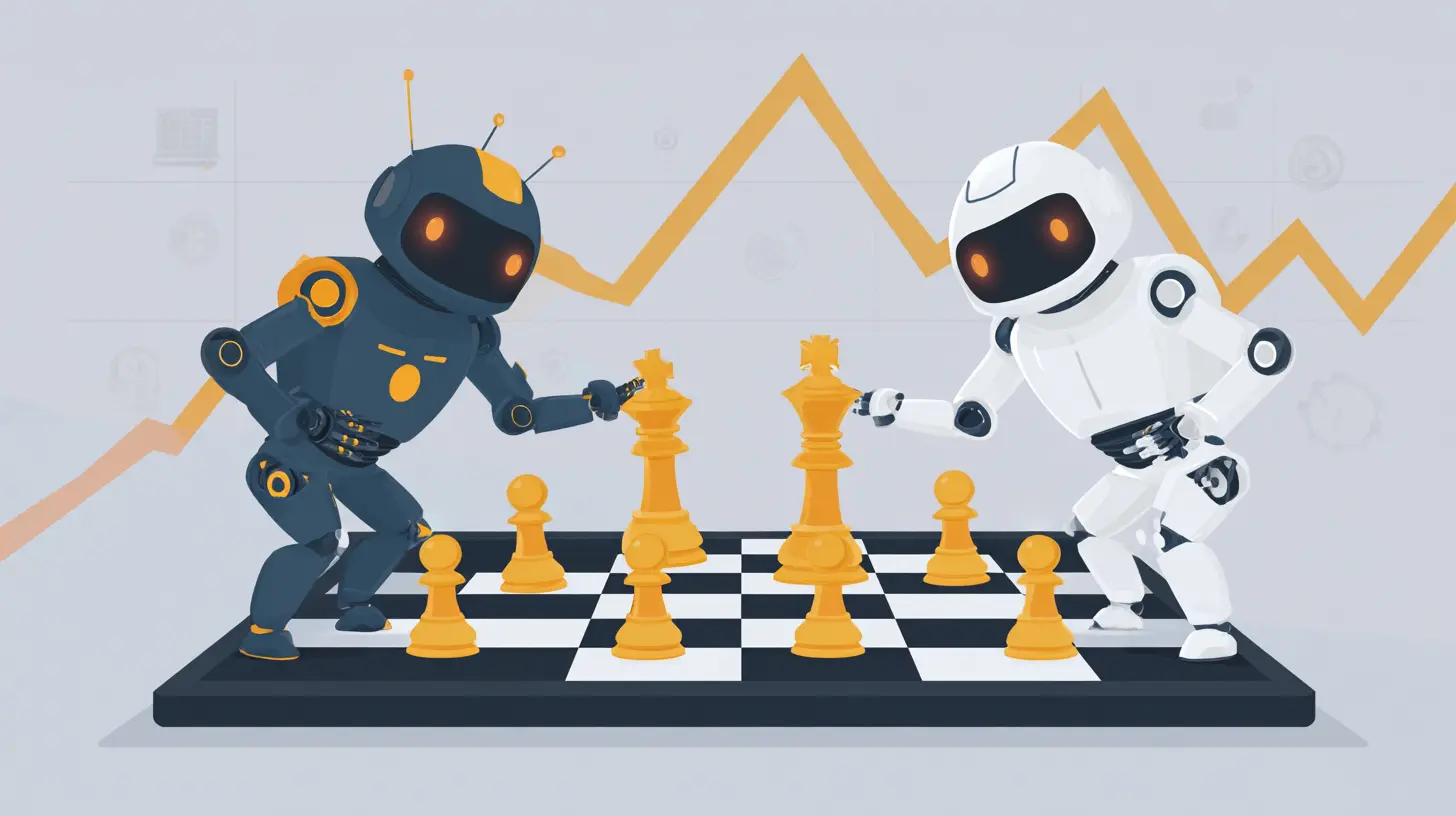
Traditional Diversification Tactics
Historically, investors have approached diversification through various strategies:Asset Class Diversification
This classic approach involves investing in different asset types. For example, you might hold a combination of equities, fixed income, and real estate. The rationale is straightforward: if one asset class underperforms, others may perform well, balancing the overall portfolio performance.Geographic Diversification
Investing in global markets is another layer of diversification. By spreading investments across different countries and regions, investors can protect themselves against localized economic downturns. Think of it as a world tour for your money-why limit your investments to just one country when there are countless opportunities worldwide?Sector Diversification
Investing across various sectors-technology, healthcare, consumer goods-adds yet another layer of protection. If the tech sector takes a hit, your investments in healthcare or consumer goods may still thrive. It's like having a well-rounded diet for your portfolio, with a bit of everything to keep it healthy.
The AI Revolution in Diversification
Now, enter AI, that enigmatic force reshaping industries left and right. In finance, AI is not just a buzzword; it's a game-changer. Here's how AI is influencing diversification tactics.Enhanced Data Analysis
AI excels at processing vast amounts of data much faster than any human could. It can analyze historical trends, market conditions, and even social media sentiment to offer insights into potential investment opportunities. Imagine having a super-intelligent assistant sifting through mountains of data to identify the best diversification options for you.For instance, AI can identify correlations between different asset classes and sectors that might not be apparent to human analysts. This can lead to more informed choices about where to allocate funds based on predicted market movements.
Predictive Analytics
One of AI's standout features is its predictive capabilities. By using algorithms and machine learning, AI can forecast market trends and potential risks. For example, if the AI predicts a downturn in the tech sector, it can recommend reallocating funds to more stable sectors or even alternative investments like commodities or cryptocurrencies.Risk Assessment
AI tools can perform comprehensive risk assessments tailored to individual investors' risk tolerances. By analyzing a portfolio's historical performance and estimating potential future outcomes, AI can suggest optimal diversification strategies based on real-time market conditions. This personalized approach is a far cry from the one-size-fits-all models of the past.Real-Time Monitoring
The financial markets are dynamic, with conditions changing rapidly. AI can monitor your portfolio in real-time, adjusting diversification strategies as needed. If a particular asset starts to underperform, AI can automatically recommend selling or reallocating those funds to more promising investments.
Practical AI Tools for Diversification
So, how can you harness the power of AI for your diversification efforts? Here are some practical tools and platforms worth considering:Robo-Advisors
Robo-advisors use algorithms to create and manage investment portfolios based on your risk tolerance, investment goals, and time horizon. These platforms often employ AI to enhance their decision-making processes. Notable examples include Betterment and Wealthfront, which use AI-driven insights to adjust portfolio allocations automatically.AI-Powered Market Analysis Tools
Platforms like Zacks Investment Research and Bloomberg Terminal leverage AI to provide market analysis, investment recommendations, and risk assessments. These tools can help investors make data-driven decisions about portfolio diversification.Custom AI Solutions
For the more tech-savvy investor, creating custom AI solutions is a possibility. Using programming languages like Python, investors can build models to analyze their portfolios and suggest diversification strategies based on historical data and predictive analytics.Common Mistakes in AI-Driven Diversification
While AI can enhance your diversification tactics, it's not a magic bullet. Here are some common pitfalls to avoid:Over-Reliance on Technology
Investors might be tempted to rely solely on AI recommendations. While AI provides valuable insights, it's essential to complement these suggestions with your research and understanding of market trends.Ignoring Personal Goals
Every investor has unique financial goals and risk tolerances. AI tools are only as effective as the inputs they receive. Failing to accurately convey your investment objectives can lead to unsuitable diversification strategies.Underestimating Market Volatility
AI can analyze past data and predict trends, but it cannot predict unforeseen events like economic crises or natural disasters. Diversification based on AI insights should also consider external factors, market sentiment, and geopolitical events.
Balancing AI with Human Insight
The best approach to diversification is not solely dependent on AI or human intuition but rather a harmonious blend of both. AI can provide data-driven insights, while human investors can apply context, emotions, and experience that algorithms cannot replicate.When to Trust AI
AI excels in analyzing vast datasets, identifying patterns, and executing trades based on predetermined criteria. If you're looking for efficiency and speed, AI-driven tools can help optimize your portfolio.When to Trust Your Gut
Human insight plays a critical role in interpreting market sentiment, understanding industry nuances, and assessing the broader economic landscape. Sometimes, your gut feeling about a particular investment might be the deciding factor.Best Practices for AI-Driven Diversification
To make the most of AI in your diversification efforts, consider these best practices:Stay Informed
Keep up with advancements in AI and finance. Understanding how AI tools work will empower you to make better decisions and avoid pitfalls.Combine Strategies
Don't put all your eggs in the AI basket. Use AI tools in conjunction with traditional investment strategies and personal insights to create a well-rounded portfolio.Regularly Review Your Portfolio
Market conditions change rapidly, and your diversification strategy should adapt accordingly. Regularly review your portfolio and make adjustments based on AI insights, market trends, and your personal financial goals.Test AI Tools
Before committing significant funds to AI-driven platforms, test different tools to see which ones align with your investment philosophy. Many platforms offer trial periods, allowing you to assess their effectiveness.
The Future of AI in Diversification
As technology continues to evolve, the role of AI in diversification will likely expand. We may see more sophisticated predictive models, real-time sentiment analysis from social media, and even AI-driven market simulations that allow investors to test strategies before implementation.Ethical Considerations
As AI becomes more integrated into finance, ethical considerations will take center stage. Issues surrounding data privacy, algorithmic bias, and the potential for market manipulation will need to be addressed. Investors should remain vigilant and informed about these topics as they navigate the AI landscape.Conclusion
AI is undeniably reshaping the landscape of modern diversification tactics. By leveraging enhanced data analysis, predictive analytics, and real-time monitoring, investors can make more informed decisions and navigate market volatility with greater confidence. However, the key to success lies in balancing AI insights with human intuition and experience.As you embark on your diversification journey, remember that while AI can provide valuable guidance, your unique financial goals and personal insights remain crucial to building a resilient investment portfolio. So, equip yourself with the best of both worlds and get ready to watch your diversified portfolio flourish.
all images in this post were generated using AI tools
Category:
Diversification StrategyAuthor:

Audrey Bellamy