How Diversification Will Shape Investment Portfolios by 2026
16 April 2026
Let’s be honest for a second. When you hear the word “diversification,” what comes to mind? Probably something your financial advisor has said a hundred times, sounding more like a tired mantra than a powerful strategy. “Don’t put all your eggs in one basket.” Right. Got it. But what if I told you that the very concept of the “basket” is undergoing a radical transformation? That by 2026, the old playbook of 60% stocks and 40% bonds will feel as outdated as a flip phone?
We’re standing at the edge of a new frontier in investing. The forces shaping our world—artificial intelligence, climate change, geopolitical fractures, and a digital asset revolution—aren’t just headlines; they are actively remolding the bedrock of portfolio construction. Diversification is no longer just about spreading risk across different company stocks. It’s about navigating entirely new asset classes, hedging against systemic global risks, and harnessing volatility itself as an engine for growth. By 2026, your portfolio’s resilience and returns won’t be defined by what you own, but by how intelligently you connect the dots between seemingly disparate worlds.

The Old Guard: Why Traditional Diversification is Cracking Under Pressure
For decades, the classic diversified portfolio was a thing of serene, predictable beauty. It was built on a core assumption: that when stocks zigged, bonds would zag. This negative correlation was the investor’s safety net, a comforting dance that smoothed out the journey. But have you checked in on that dance floor lately? It’s gotten chaotic.In recent years, we’ve seen stocks and bonds fall in unison, shocked by inflation and aggressive central bank policies. That reliable cushion deflated. Why? Because the old model wasn’t built for today’s macroeconomic storms. It was engineered for a world of moderate inflation and globalization-as-usual. We’ve left that world behind. Relying solely on this duo for diversification now is like trying to weather a hurricane with only a raincoat—you’re missing protection from the catastrophic winds.
This isn’t just an academic observation; it’s a painful reality for anyone who felt the 2022 market plunge in their bones. The tremor it sent through the investment community was a wake-up call. It shouted that the tectonic plates of finance are shifting, and our portfolios need to be built on new, more resilient foundations.
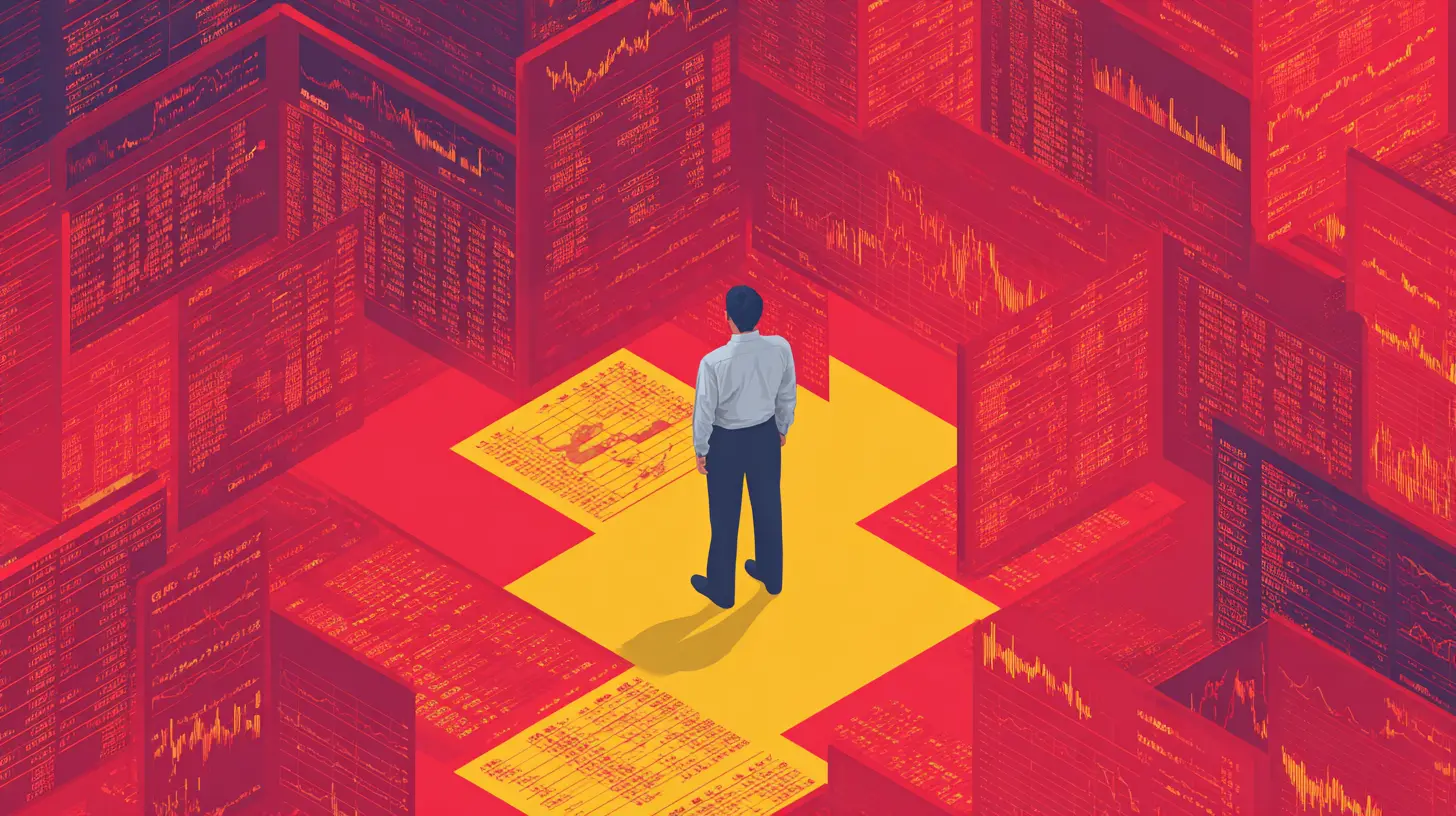
The New Pillars of 2026’s Diversified Portfolio
So, if the old pillars are crumbling, what will hold up the portfolios of the near future? Think of it as building a multi-layered defense system and offense strategy, all in one. Here are the core components that will define diversification by 2026.1. The Rise of the Alternatives (For Everyone)
Once the exclusive playground of hedge funds and ultra-wealthy institutions, “alternative assets” are going mainstream. And I’m not just talking about a tiny sliver of your portfolio. We’re looking at a significant allocation becoming the norm. Private Markets: This includes private equity (investing in companies not listed on public exchanges) and private credit (direct lending to companies). Why the surge? Public markets are shrinking in terms of the number of companies, while explosive growth is happening in private hands. By 2026, accessing a sliver of the next groundbreaking tech or biotech firm before* it IPOs will be a key diversification move, offering returns that are uncorrelated to the daily drama of the S&P 500.
* Real Assets & Infrastructure: Tangible, hard assets are becoming a cornerstone hedge. Think renewable energy projects (solar farms, wind parks), data centers, telecommunications towers, and transportation logistics. These assets often have inflation-linked contracts, providing a natural buffer when prices rise. They generate cash flow from essential services, making them a defensive bastion in a volatile world. Your portfolio won’t just own pieces of paper; it will own pieces of the physical and digital infrastructure powering society.
2. Strategic (Not Just Tactical) Thematic Investing
Gone are the days of just buying a “tech” ETF. The next wave is about deep, conviction-based bets on powerful, long-term global themes. This is diversification through exposure to seismic shifts, not just sectors.* The Decarbonization Megatrend: This is more than an ESG checkbox. It’s a multi-trillion-dollar capital reallocation. A diversified portfolio will hold not just Tesla, but companies involved in grid modernization, carbon capture, sustainable agriculture, and the entire supply chain for the green transition. It’s a bet on the inevitable restructuring of the global economy.
* Artificial Intelligence as a Utility: By 2026, AI won’t be a niche theme; it will be the electricity of the digital age. Diversification will mean investing across the AI “stack”—the semiconductor enablers (the picks and shovels), the cloud infrastructure (the land), and the specific application companies revolutionizing healthcare, finance, and manufacturing.
* Geopolitical Resilience: Themes like “onshoring” and “supply chain security” will materialize in portfolios. This means investing in companies building factories in North America, developing advanced robotics for manufacturing, or securing rare earth minerals outside of dominant single sources. It’s diversifying your portfolio’s geopolitical risk.
3. The Digital Asset Ecosystem Matures
Brace yourself, because by 2026, cryptocurrencies and digital assets will have evolved from a speculative wild west into a more regulated, integrated asset class. True diversification will likely involve a calibrated exposure to this space, but with a sophistication that goes far beyond buying Bitcoin and hoping.* Tokenization of Everything: Imagine owning a fractional, liquid share of a commercial building in Paris, a masterpiece by a contemporary artist, or a royalty stream from a hit song—all through blockchain tokens. Tokenization promises to unlock value in illiquid assets, creating entirely new diversification avenues. Your portfolio could hold a piece of a private vineyard or a venture fund, traded with the ease of a stock.
* Programmable Money & DeFi: The underlying technology of decentralized finance (DeFi)—smart contracts that automate lending, borrowing, and trading—could offer novel yield-generating strategies that are separate from traditional interest rate markets. While high-risk, a small, carefully managed allocation could act as a non-correlated return engine.
4. The Intelligence Layer: AI-Powered Portfolio Management
Here’s the meta-shift: by 2026, the tool you use to achieve diversification will be as important as the assets you choose. Artificial intelligence and big data analytics will move from the periphery to the core.We’re talking about systems that can analyze correlations across thousands of global assets—from Brazilian farmland to Korean semiconductor futures—in real-time. They can identify hidden links and predict breakdowns in traditional relationships. They can stress-test your portfolio against thousands of potential future scenarios: a climate disaster in Southeast Asia, a breakthrough in fusion energy, a sudden shift in trade policy.
Diversification will become dynamic and responsive, not static and set-and-forget. Your portfolio will be a living system, constantly rebalancing and adjusting its protective layers based on a flood of global data. It will be less like a painted portrait and more like a constantly evolving digital map.

The Human Edge in a Digital Diversification World
With all this talk of AI and algorithms, you might wonder: what’s left for the human investor? The answer is everything that machines can’t do: provide context, exercise judgment, and understand behavioral nuance.The role of the financial advisor or the thoughtful individual investor will evolve from picker to architect and behavioral coach. It will be about:
* Setting the Strategic Vision: Defining the personal goals, risk tolerance, and values that the AI optimizes for.
* Asking the Right Ethical Questions: Should we tokenize that asset? What are the externalities of this thematic bet? Machines optimize for efficiency; humans must optimize for conscience.
Preventing Self-Sabotage: The biggest threat to any brilliantly diversified portfolio has always been, and will always be, the person holding it. Panic selling, greed-driven chasing, and myopic focus. The human role is to stay the course, to understand the why* behind the strategy when the screens are flashing red.

Building Your 2026 Portfolio Today: A Practical Roadmap
This all sounds futuristic, but the path to 2026 starts with steps you can take right now.1. Audit Your Current Baskets: Look at your portfolio. Is it just a collection of different-colored eggs (large-cap, small-cap, international stocks) all in the same type of basket (public equities)? Identify the single points of failure.
2. Start a “Future-Proofing” Allocation: Designate a portion of your new investment capital (say, 10-20%) to build exposure to these new pillars. This could be through a thematic ETF focused on robotics, a fund that invests in private credit, or a regulated digital asset platform.
3. Embrace the “Core and Explore” Model: Build a solid, low-cost core (it will still exist!) of broad-market funds. Then, use your “explore” sleeve to deliberately and gradually add these new diversification layers. Don’t leap; layer.
4. Prioritize Education Over Prediction: Commit to understanding the fundamentals of one new area each quarter—be it tokenization, private markets, or AI infrastructure. You don’t need to be an expert, but you need to be literate.
Conclusion: Diversification as a Dynamic Narrative
By 2026, diversification will shed its skin as a dry, technical allocation strategy. It will emerge as a dynamic narrative—a story you tell about how your capital is positioned to navigate and thrive in a complex, multipolar world. It will be a blend of the physical and the digital, the private and the public, the human and the algorithmic.The goal will no longer be simply to “reduce risk.” It will be to construct a portfolio that is antifragile—one that gains from disorder, that turns volatility and unexpected change into an advantage. The old diversification was about defense. The new diversification, by 2026, will be about intelligent, adaptive, and resilient offense. The question isn’t whether your portfolio will change by then. The question is: will you be the architect of that change, or will you be left holding a basket that the world has passed by?
all images in this post were generated using AI tools
Category:
Diversification StrategyAuthor:

Audrey Bellamy
Discussion
rate this article
2 comments
Harvey Ruiz
Diversification is like a well-balanced diet for your investment portfolio. Mix those assets like you mix flavors in ice cream-just the right blend keeps things exciting and profitable!
May 16, 2026 at 3:54 AM
Audrey Bellamy
Great analogy! Just like a balanced diet, diversification really helps manage risk while boosting potential returns. It's all about finding that perfect mix.
Jennifer Pace
Diversification isn’t just strategy; it’s a mindset that embraces uncertainty and potential growth.
April 17, 2026 at 12:56 PM
Audrey Bellamy
Absolutely! Embracing diversification as a mindset allows investors to navigate uncertainty while capitalizing on opportunities, ultimately enhancing portfolio resilience and growth potential by 2026.