How Gold Mining Affects the Global Economy
1 June 2026
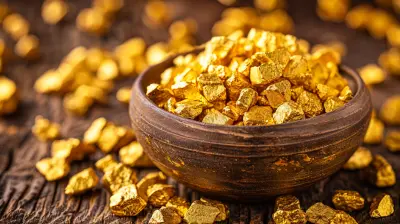
Gold has always had a special place in human history. From ancient civilizations using it as currency to modern investors hoarding it during economic downturns, gold is more than just a shiny rock — it’s a powerful economic driver. But have you ever wondered what kind of impact gold mining has on the global economy?
Let’s break it down. We're not just talking about digging up metal from the ground. We’re talking jobs, investments, trade, government policies, and even environmental consequences—all tied to this one glittering commodity. So grab your pickaxe (metaphorically, of course) and let’s dig into the complex world of how gold mining affects the global economy.
Why Gold Still Matters in a Modern World
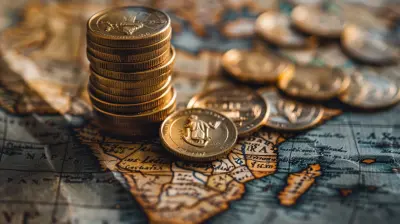
Before we dive into the nuts and bolts of mining, let’s talk about why gold still holds weight in global economics. In a world dominated by technology and digital currencies, you’d think gold is outdated, right? Well, not quite.Gold is still a prime asset in central bank reserves, a hedge against inflation, and a safe-haven investment during market volatility. Its universal appeal gives it staying power, not just as jewelry or electronics component, but as a critical player in financial stability and wealth preservation.
Gold Mining 101: What’s Involved?
Gold mining isn’t as simple as grabbing a shovel and hoping for the best. There are two major methods: open-pit mining and underground mining. Both are capital-intensive, labor-heavy, and have massive ripple effects across economies.From exploration to extraction and finally refining, each phase involves:
- Specialized equipment
- Skilled labor
- Energy consumption
- Land use
- Water resources
And all this activity? It costs serious money. But it also generates serious income.
Job Creation and Local Economies
Gold mining plays a vital role in job creation, particularly in developing nations. Large-scale mining operations often set up shop in countries like Ghana, Peru, and South Africa — where employment opportunities may be limited. That's a big deal for local communities.Let’s put it into perspective:
- Direct Employment: Mining companies hire geologists, engineers, machine operators, logistics experts, and many more.
- Indirect Employment: Local businesses thrive by supplying goods and services — think food vendors, mechanics, and housing rentals.
In many cases, mining towns are born from scratch, with new schools, hospitals, and roads improving living standards.
But here's the kicker — when gold prices drop or mines shut down, those same towns can collapse like a house of cards. So there's risk mixed in with the reward.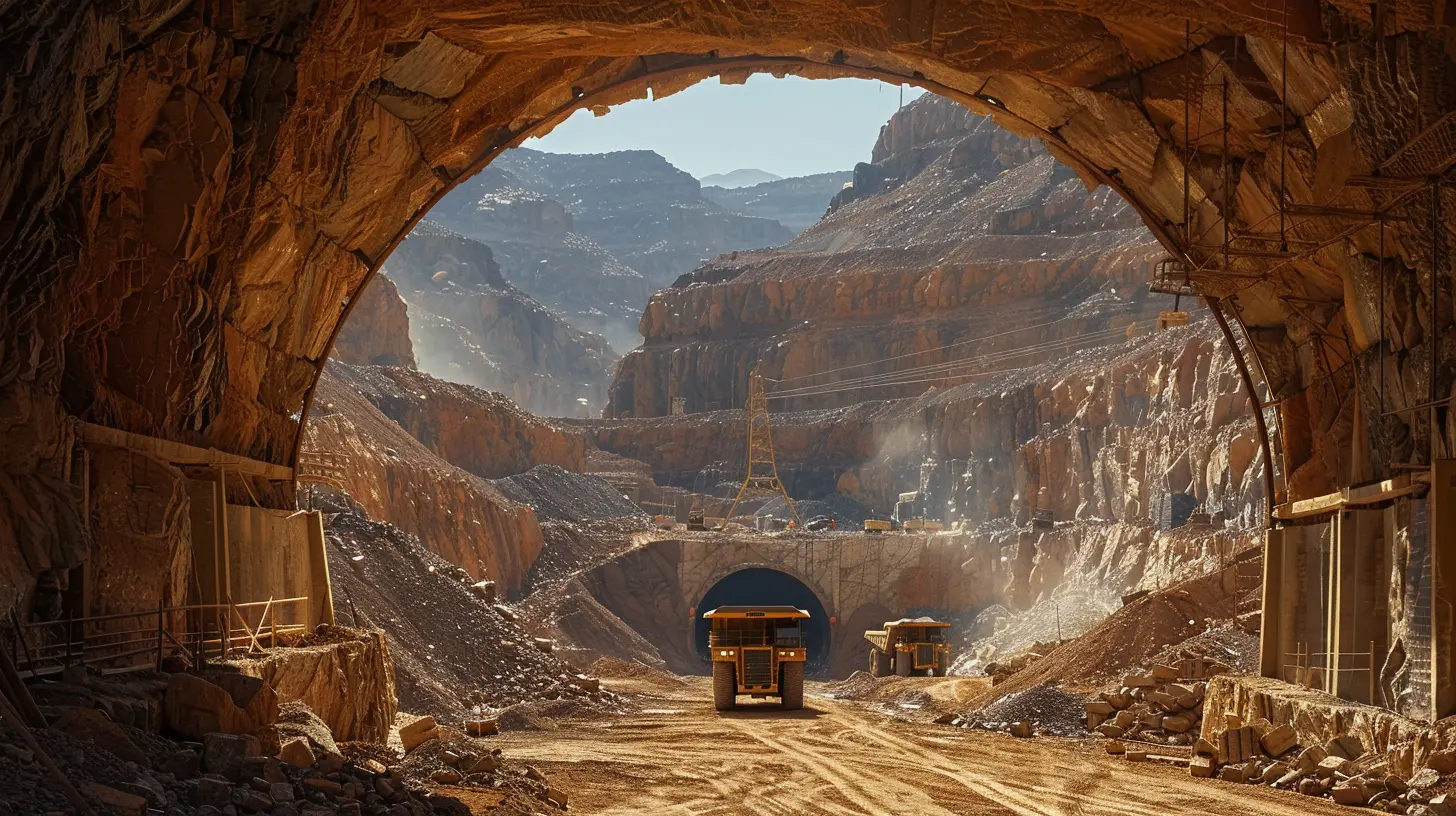
Revenue and Taxes for Governments
Gold mining’s economic impact goes beyond just employment. It’s a goldmine (pun intended) for government revenues.Here’s how:
- Corporate Taxes: Governments collect taxes on mining profits.
- Royalties: A percentage of the gold's value goes directly to the state.
- Export Duties: Many gold-rich countries rely heavily on these export earnings.
In some countries, these revenue streams are essential for funding public services like healthcare, education, and infrastructure. But transparency and governance issues can muddy the waters—corruption is a real concern in resource-rich nations.
Gold Prices & Global Trade
Gold doesn’t just sit in vaults—it travels the world. The London Bullion Market, the COMEX in New York, and a few others are key trading hubs setting global gold prices.So how does that affect the economy?
- Price Fluctuations: When gold prices soar, mining becomes more profitable. This can spark investment booms in mining-heavy areas.
- Currency Valuation: Countries rich in gold can see their currencies strengthen when commodity prices rise.
- Trade Balances: Gold exports impact a country’s international trade position and influence foreign exchange reserves.
Now think globally: if the price of gold spikes, mining goes into overdrive, creating economic shockwaves across supplier and buyer nations alike.
Investment & Stock Market Impacts
If you’ve ever bought stocks, ETFs, or mutual funds that track commodities, then you’ve felt the tremors of the gold market.Gold mining companies are listed on stock exchanges worldwide — and their fortunes often move with the price of gold. Investors love (and hate) these companies because their valuations can swing wildly.
When gold prices trend upward:
- Mining company stocks rise
- Mutual funds and ETFs tied to mining show gains
- Investment banks pour money into exploration projects
This creates a financial snowball that can lift (or crash) entire sectors of the market. So a strike of gold in, say, Australia could affect a trader's portfolio in London.
Environmental Costs and Economic Trade-Offs
Here’s where things get a bit messy. Gold mining isn’t known for being kind to the planet. We’re talking deforestation, toxic waste, water pollution, and land degradation.But how does this tie into the economy?
Simple — environmental clean-up and sustainability initiatives cost money. Nations and companies must weigh short-term profits against long-term ecological damage. And when environmental damage gets out of hand, it can have financial consequences like:
- Fines and legal action
- Investor divestment
- Health costs due to pollution
- Loss of agricultural land
More and more, markets are pushing for environmentally responsible mining. Green mining practices and ESG (Environmental, Social, and Governance) standards are slowly becoming the norm. And guess what? That’s creating new economic opportunities in tech innovation and job training.
Inflation Hedge: Gold as a Safety Net
One of the main reasons people invest in gold is that it’s considered a hedge against inflation. When paper money loses value, gold tends to hold steady—or even increase in price.That makes gold not just a shiny metal, but a form of economic insurance. Countries with significant gold reserves can stabilize their economies better during crises. That’s why central banks are always either selling or buying gold based on global conditions.
So if you’re wondering how that tiny speck of gold in your earring affects the global economy, think about it like this: it could be helping some country somewhere stay afloat during a recession.
Technological Advancements and Innovation
Believe it or not, gold mining is pushing boundaries in technology. To stay profitable, companies are investing in:- Automation
- AI mineral detection
- Sustainable processing methods
- Safer working conditions through robotics
These innovations don’t just boost the mining sector; they spill over into other industries. For instance, AI developed for mineral detection might be repurposed for agriculture or security. So yes, mining does more than dig holes—it digs up innovation.
Geopolitical Tensions and Resource Nationalism
Gold isn’t just about the economy — it's also a political power play.Let’s say a country suddenly finds a huge gold deposit. That could:
- Shift global alliances
- Trigger resource nationalism (where the state takes control over natural resources)
- Attract foreign investments (or interferences)
On the other hand, countries that rely heavily on gold exports become economically vulnerable to international price movements. This is where the politics and economics of gold start to intertwine in complex, sometimes volatile ways.
The Future of Gold Mining and Economic Impact
With concerns around sustainability, economic equality, and global warming, the future of gold mining is at a crossroads. But here’s the thing — as long as people value gold, its economic influence isn’t going anywhere.We’re likely to see:
- More investment in sustainable practices
- New trade agreements shaped by resource availability
- Continued demand as a hedge against global uncertainty
- Tech developments enhancing efficiency and safety
In short, gold mining will continue to be a financial force to reckon with — shaping labor markets, influencing government policies, and impacting global trade.
Final Thoughts
So, the next time you see a piece of gold jewelry or hear about rising gold prices, remember there's a massive economic ecosystem behind it. From local jobs to international trade, from environmental debates to stock market swings — gold mining touches every corner of the global economy.It’s not just about what glitters — it’s about what matters economically, politically, and socially.
all images in this post were generated using AI tools
Category:
Gold InvestmentAuthor:

Audrey Bellamy
Discussion
rate this article
1 comments
Darrow McIlwain
Gold mining plays a complex role, influencing economies positively while raising environmental and ethical concerns.
June 3, 2026 at 4:20 AM
Audrey Bellamy
You're right. Gold mining brings economic benefits but also poses significant environmental and ethical challenges that must be addressed.