How to Become Debt-Free by 2026 Without Drastic Lifestyle Changes
15 April 2026
Let’s be honest. The phrase “become debt-free” often conjures up images of extreme frugality: selling your car, eating nothing but rice and beans, and canceling every subscription and joy from your life. It sounds like a grueling marathon of deprivation. What if I told you that the finish line of financial freedom—say, by 2026—might not require that kind of painful sprint? What if the path was more of a strategic, mindful walk, where you keep your coffee habit and your Netflix account?
The secret isn’t about making your life drastically smaller; it’s about making your money work smarter. It’s about fine-tuning the engine of your daily life, not trading in the car for a bicycle. By 2026, you could be waking up to a zero balance on those nagging debts, and it starts not with a revolution, but with a series of elegant, sustainable evolutions. Intrigued? Let’s map out the route.

The Mindset Shift: From "Cutting Out" to "Optimizing"
First, we need to dismantle the scarcity mindset. The typical debt-free advice screams "CUT!" But that approach often leads to burnout and rebellion (hello, impulse buy after a month of "good behavior"). Instead, let’s adopt the mindset of an optimizer.Think of your finances like a garden. The drastic approach is to rip everything out and start over. The optimizer’s approach is to carefully weed out what’s choking your growth, nurture the plants that bear fruit, and maybe introduce some new, more efficient species. You’re not destroying the garden; you’re cultivating it to be more productive and beautiful.
This means asking different questions. Not "What can I live without?" but "Where is my money currently not serving my goal of freedom?" Not "How can I suffer more?" but "How can I make my current spending more intentional?" This subtle shift removes the feeling of loss and replaces it with one of purpose.
Your Financial Blueprint: The "Stealth Budget"
Forget restrictive, line-item budgets that feel like financial straitjackets. Let’s build what I call a "Stealth Budget." It’s a awareness tool, not a punishment device.Step 1: The One-Month Discovery Mission. For one month, track every single dollar you spend. No judgment, just observation. Use an app, a notes page, or a simple spreadsheet. You’re playing detective in your own life. That $4 midday latte? Log it. The automatic subscription for that app you never use? Note it. This isn’t about shame; it’s about data. You can’t optimize what you don’t measure.
Step 2: The "Happy Money" Audit. Once you have your data, grab two highlighters. In one color, highlight all the spending that genuinely added value, joy, or convenience to your life—the grocery delivery that saved you time, the dinner with a friend that lifted your spirits, the gym membership you actually use. In another color, highlight the "ghost spending"—the leaks, the autopilots, the things you didn’t truly enjoy or need.
You’ll likely find a fascinating story. Maybe you’re spending a fortune on takeout but barely touch your streaming services. The goal here is not to eliminate the happy spending, but to identify and ruthlessly eliminate the ghost spending. This alone can free up hundreds of dollars without touching the things you love.

The Debt Avalanche vs. The Debt Snowball: Choosing Your Tactic
With your optimized cash flow from the Stealth Budget, you now have "extra" money to attack your debt. You have two primary psychological strategies here:The Debt Avalanche (The Mathematician's Method): You list your debts from the highest interest rate to the lowest. You pay the minimums on all, and throw every extra dollar at the debt with the highest rate. This is the most efficient method mathematically—it saves you the most on interest over time. It’s like putting out the fire that’s spreading the fastest.
The Debt Snowball (The Motivator's Method): Popularized by Dave Ramsey, you list debts from smallest balance to largest. You pay minimums on all, and attack the smallest debt first with any extra cash. When it’s gone, you roll that payment amount into attacking the next smallest. The quick wins provide powerful psychological fuel to keep going.
So, which for 2026? If you are motivated by numbers and logic, the Avalanche is your path. If you need quick victories to stay engaged, the Snowball is your champion. The best method is the one you’ll stick with. Using either consistently between now and 2026 will get you to zero.

The "Power of Five" System: Micro-Changes, Macro-Results
This is where we make the journey seamless. We implement five small, almost imperceptible optimizations that collectively create a debt-destroying torrent.1. The Subscription Spring Clean: Go through your bank statements. Every subscription, every membership. Do you use it? Does it bring you $X of joy per month? Cancel anything that doesn’t pass the "value test." This isn’t drastic—it’s just good housekeeping. That $15 here and $10 there? That’s $300+ a year headed straight to your debt.
2. The Negotiation Hour: Block one hour. Call your service providers: internet, cell phone, insurance. Simply ask, "Are there any current promotions or discounts I could qualify for to lower my bill?" You’d be amazed how often the answer is yes. It’s not a lifestyle cut; it’s a savvy phone call.
3. The 48-Hour Rule: For any non-essential purchase over a set amount (say, $50), implement a mandatory 48-hour waiting period. See a new jacket online? Add it to the cart, walk away, and think for two days. Do you still truly want it, or was it a fleeting desire? This simple pause kills impulse spending without banning shopping.
4. The "Round-Up" Accelerator: Many banks and apps offer "round-up" features where your transactions are rounded up to the nearest dollar, and the change is saved. Divert this "found money" not to savings, but directly to your debt payment. It’s painless, automatic, and over a year, adds a surprising boost to your efforts.
5. The Income Stream Seed: This isn’t about getting a second job. It’s about planting a small seed. Could you sell three old items on Facebook Marketplace this month? Could you use a skill (writing, design, dog-walking) for just 2-3 hours a week on a platform like Fiverr or TaskRabbit? This creates a dedicated "debt assault" fund without impacting your main income or lifestyle.
Automating Your Freedom: Making Willpower Obsolete
Your willpower is a finite resource. Relying on it to manually transfer money to debt each month is a risk. So, let’s automate your progress.Set up an automatic transfer for the day after your paycheck hits. Send your designated "debt attack" amount—the total you freed up from your optimizations—straight to your debt payment. This does two magical things: First, it treats the debt payment as a non-negotiable bill, just like rent. Second, it uses "out of sight, out of mind" psychology in your favor. The money is gone before you can even think of spending it, yet you’re making massive progress in your sleep.
The Celebration Milestones: Fuel for the Journey
A journey to 2026 needs pit stops. Celebrate every single win! Paid off a credit card? Mark it with a special home-cooked meal or a fun, free outing. Got your student loan under $10K? Acknowledge it! These celebrations reinforce positive behavior. They wire your brain to associate debt repayment with reward, not pain. This is critical for sustainability.What If Life Happens? (The Buffer Zone)
Let’s be real. An unexpected car repair or medical bill will happen. A "drastic" plan would shatter. Our optimized plan has a buffer zone: a small, starter emergency fund of just $1,000. This is your shock absorber. When life hits, you use this, not a credit card. It keeps your debt-free plan intact. Replenish it, and keep marching.The 2026 Vision: More Than Just a Zero Balance
As you implement these optimizations—the stealth budget, the power of five, the automation—something subtle begins to happen. You’re not just paying off debt. You’re retraining your relationship with money. You’re becoming intentional. By the time 2026 rolls around and you make that final payment, you won’t just be debt-free.You’ll be clarity-rich.
You’ll have a system that works for you. You’ll know where your money goes, and you’ll direct it with purpose. The money that was once swallowed by minimum payments will now be yours to direct—towards savings, investments, or those lifestyle upgrades you thought you had to sacrifice.
Becoming debt-free by 2026 isn’t a story of deprivation. It’s a story of mindful optimization. It’s about turning up the volume on your financial intelligence, turning down the noise of wasteful spending, and conducting the symphony of your finances to end on a powerful, free chord. Start the audit. Make the call. Automate the transfer. Your future, debt-free self is already thanking you.
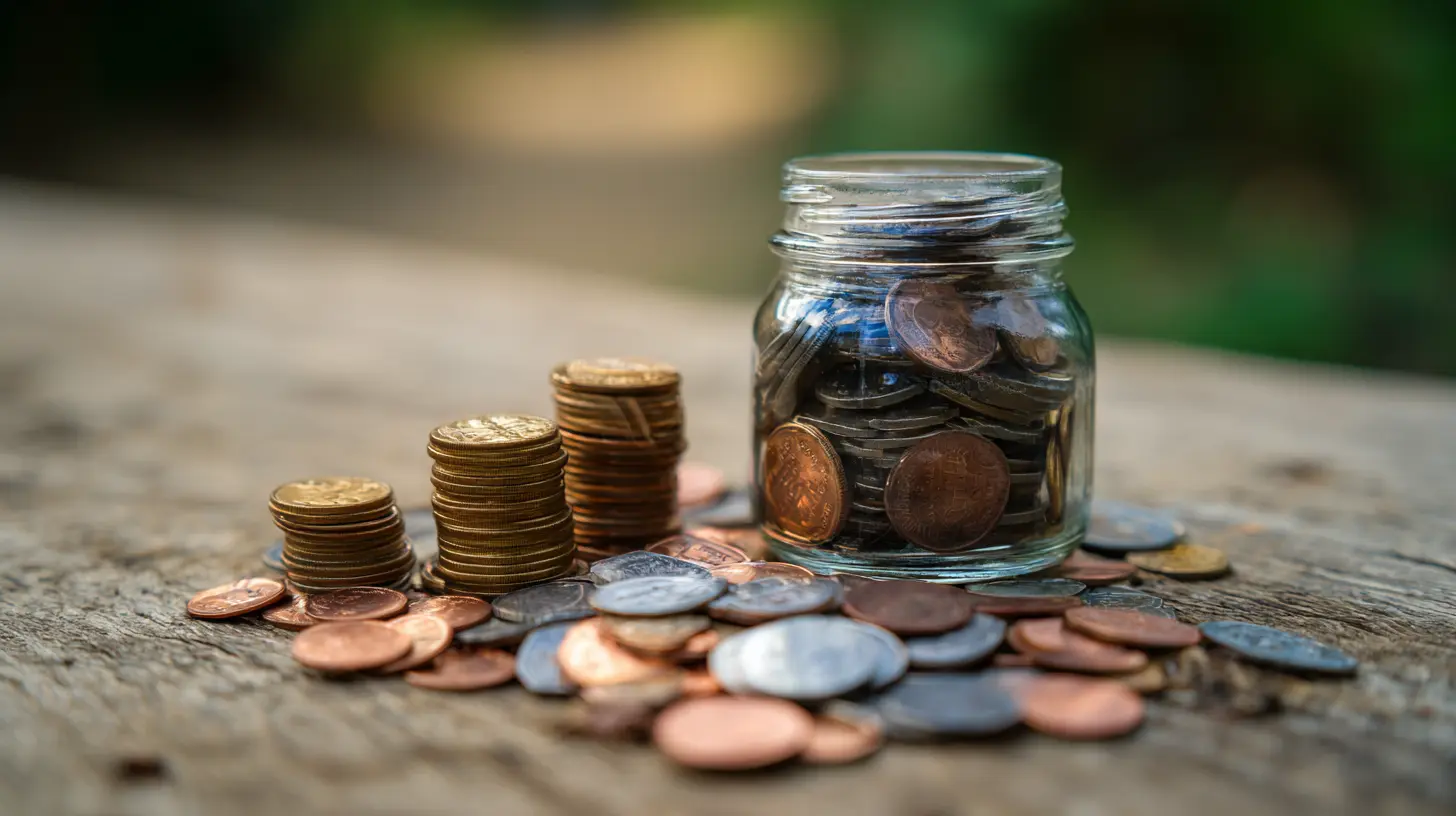
all images in this post were generated using AI tools
Category:
Paying Off DebtAuthor:

Audrey Bellamy
Discussion
rate this article
2 comments
Freya Beck
This article offers practical strategies for achieving financial freedom without sacrificing comfort. I appreciate the realistic approach and actionable tips. It's inspiring to think that becoming debt-free is possible with manageable adjustments. Thank you for sharing!
May 15, 2026 at 4:22 AM
Audrey Bellamy
I'm glad you found the article helpful! It's great to hear that the strategies resonate with you. Wishing you all the best on your journey to financial freedom!
Zedric Snyder
Great article! Your practical tips make becoming debt-free feel achievable without sacrificing too much. Excited to start implementing these strategies!
April 16, 2026 at 12:22 PM
Audrey Bellamy
Thank you so much! Thrilled to hear the tips resonated with you. Wishing you the best on your journey to 2026—you've got this