Investing in Dividends for Financial Independence
2 January 2026
Let’s kick things off with a bold claim: dividend investing might just be the most underrated path to financial independence — like the quiet kid in class who ends up starting the next big tech company. Sounds dramatic? Maybe. But once you dive into the magic of compounding, passive income, and those sweet quarterly payouts, you’ll get why some investors swear by the humble dividend.
So, grab your metaphorical toolbox, because we’re about to build a passive income engine that hums along quietly while you sip a coconut water on the beach (or binge Netflix in your PJs — your call).
What the Heck Are Dividends?
Okay, let’s bite into the basics first, like a warm, buttery croissant.A dividend is a slice of a company’s profit that’s shared with its shareholders. If you own stock in a dividend-paying company, you’re basically getting a little “thank you” payment just for holding onto their shares. It’s like the company is saying, “Hey, thanks for believing in us. Here’s some cash.”
You might get paid monthly, quarterly (most common), or annually. And while those payments might seem small at first, over time — especially when reinvested — they can turn into a waterfall of wealth.
Why Dividends Are the Ultimate Lazy Income
Let’s be real. Most of us dream about making money in our sleep, right?Well, dividends are the classic example of passive income. Unlike your job (which demands you show up, caffeinated and dressed properly), dividend income keeps rolling in without lifting a finger. Set it and forget it. That’s the dream, baby.
Here’s why dividend investing is so attractive for those chasing financial independence:
- Consistent Cash Flow: Reliable dividend payers often keep doling out checks even in tough times.
- Compound Growth: Reinvesting your dividends buys more shares, which earn more dividends — a snowball effect.
- Inflation Hedge: Many companies increase dividends over time, helping your income keep up with rising costs.
- Tax Advantages: In many countries, qualified dividends are taxed at lower rates than regular income. Cheers to that!
The Road to Financial Independence (FI): How Dividends Fit In
Imagine you built a robust dividend portfolio that paid you $3,000 a month. Would you still need your 9-to-5? Probably not.That’s the essence of Financial Independence (FI) — having enough income from assets to cover your living expenses. Dividend investing shines here because it provides a predictable income stream. While some FI seekers go the real estate route or build side hustles, dividends offer a more hands-off alternative.
Want to live off your portfolio without touching the principal? Dividend income makes that possible.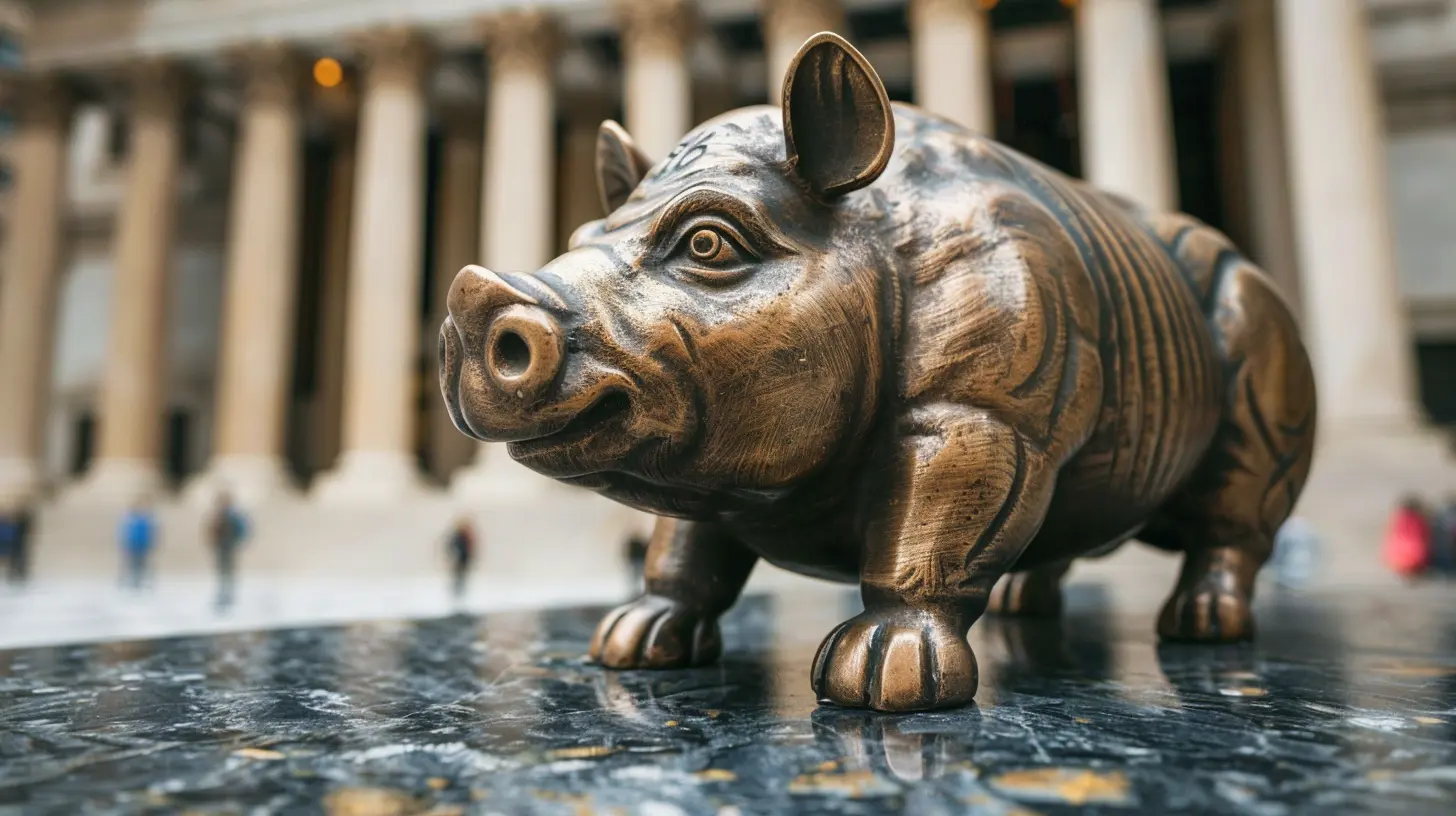
Starting Your Dividend Journey: The Blueprint
Alright, time to get your hands a little dirty (metaphorically). Let’s build your dividend-generating machine step-by-step.1. Set a Target (Dream Big but Be Specific)
Start with the end in mind. How much monthly income do you want from dividends?Ask yourself:
- What does “financial independence” mean to me?
- How much do I spend monthly?
- What would my “dividend freedom number” be?
If you want $3,000 a month from dividends and expect a 4% dividend yield, you’ll need a $900,000 portfolio. Sounds hefty, but remember — this is a marathon, not a sprint.
2. Open a Brokerage Account
Pick a brokerage that:- Offers low or no fees
- Lets you reinvest dividends automatically (DRIP — Dividend ReInvestment Plan)
- Has access to major markets and ETFs
Pro tip: Don’t get dazzled by fancy dashboards. Simplicity is your friend.
3. Choose Your Dividend Stocks
Now for the fun part — picking your dividend stars. Here’s what to look for:- Dividend Aristocrats: These are companies that have increased their dividends for 25+ years straight. Think Coca-Cola, Johnson & Johnson, and Procter & Gamble.
- High Dividend Yielding ETFs: Want instant diversification? Look into ETFs like VYM or SCHD.
- REITs (Real Estate Investment Trusts): They’re legally required to pay 90% of profits as dividends. Hello, juicy yields!
Avoid “dividend traps” — companies offering sky-high yields but on shaky financial footing. If it sounds too good to be true, it probably is.
4. Reinvest, Rinse, Repeat
When you get those first dividend payments, resist the urge to spend them on lattes or funny dog mugs on Etsy. Reinvest them.Reinvesting compounds your wealth over time. It’s like planting seeds that grow into trees... which grow more seeds... which turn into an orchard. You get the idea.
5. Monitor but Don’t Micromanage
Track your progress quarterly. Celebrate the wins (yes, even the $2.75 dividend from your first stock). But don’t obsess over daily market moves.Dividend investing is like slow cooking — low and steady wins the race.
Real Talk: The Pros and Cons
Pros
- Steady Income: Like having a financial IV drip.- Growth + Income Combo: Many dividend-paying stocks also appreciate in value.
- Peace of Mind: Companies that pay and increase dividends are often financially strong.
Cons
- Takes Time: This isn’t a get-rich-in-a-weekend kind of plan.- Not All Dividends Are Equal: Some companies cut dividends during hard times.
- Tax Implications: Depending on where you live, dividends may be taxed — so research your local tax laws.
Myth-Busting: Common Dividend Misconceptions
Let’s squash a few myths like bugs on a windshield.- ❌ “Only old people invest in dividends.”
✅ Nope. Wise people do. Age is irrelevant when it comes to passive wealth.
- ❌ “High yield = better investment.”
✅ Not always. A 10% yield might mean the stock is in trouble.
- ❌ “You need a ton of money to start.”
✅ False. You can start with as little as $50. Consistency matters more than the starting amount.
Dividends and FIRE: A Match Made in Money Heaven
The FIRE movement (Financial Independence, Retire Early) has gained serious steam. Dividends align perfectly with FIRE because:1. They provide regular income once you’ve ditched your job.
2. Portfolio withdrawals can be risky during bear markets. Dividends allow you to live on income without selling shares.
3. Reinvestment during the accumulation phase supercharges your growth.
Imagine reaching FIRE at 40 and living off a tidy monthly dividend. That’s not just freedom — it’s rebellion against the paycheck-to-paycheck grind.
A Day in the Life of a Dividend Investor
Picture this…You wake up. Check your phone. You’ve been paid a $22 dividend overnight. Nice. You didn’t have to do anything. No meetings. No reports. Just sleep.
Later, you glance at your portfolio. Your ETFs dropped a bit, but your monthly dividend income is steady. You shrug. You’re not chasing stock prices. You’re building income.
You make coffee, take a walk, maybe work on a passion project. You’re not retired — you’re just free to choose.
That’s the power of dividend investing.
Quick Tips for Aspiring Dividend Investors
- Start now. Waiting kills more dreams than failure.- Use DRIP features to maximize growth.
- Track your income, not just your portfolio value.
- Don’t chase yield — chase quality.
- Diversify across sectors (tech, healthcare, real estate, etc.)
- Keep learning. Read. Listen to podcasts. Watch what experienced investors do.
- Be patient. Dividends love the long game.
Final Thoughts: Is Dividend Investing Right for You?
If you’re someone who prefers a slow, steady crawl to wealth over flashy schemes or risky cryptos, dividend investing might just be your jam.It’s not sexy, but it’s solid. Like a dependable old pickup truck that runs for decades. Dividend investing won’t turn heads at parties, but it will make sure your bills are paid while you nap.
And in a world where financial stress is the default, there’s something wildly rebellious about building a money machine that works for you — even when you’re not working at all.
So, what’s stopping you?
all images in this post were generated using AI tools
Category:
Dividend InvestingAuthor:

Audrey Bellamy
Discussion
rate this article
2 comments
Laura Yates
This article beautifully highlights the power of dividends; they truly can pave the way to financial independence.
February 4, 2026 at 12:48 PM
Audrey Bellamy
Thank you! I'm glad you found the article insightful. Dividends can indeed be a powerful tool for achieving financial independence!
Lillian Whitley
Investing in dividends is a strategic pathway to financial independence. By prioritizing companies with a history of consistent payouts, investors can generate passive income, reinvest for compounding growth, and mitigate market volatility. This approach nurtures both security and wealth over time.
January 13, 2026 at 5:18 AM
Audrey Bellamy
Thank you for your insightful comment! You're absolutely right—investing in dividends not only offers a steady income stream but also builds wealth through reinvestment, making it a powerful strategy for financial independence.