Is Decentralized Finance (DeFi) the Future of Banking?
4 March 2026
The financial landscape is shifting right before our eyes. Traditional banking, with its rigid structures, hefty fees, and endless paperwork, is slowly being challenged by something revolutionary—Decentralized Finance (DeFi). But is DeFi truly the future of banking, or is it just another passing trend? Let's break it down in simple terms. 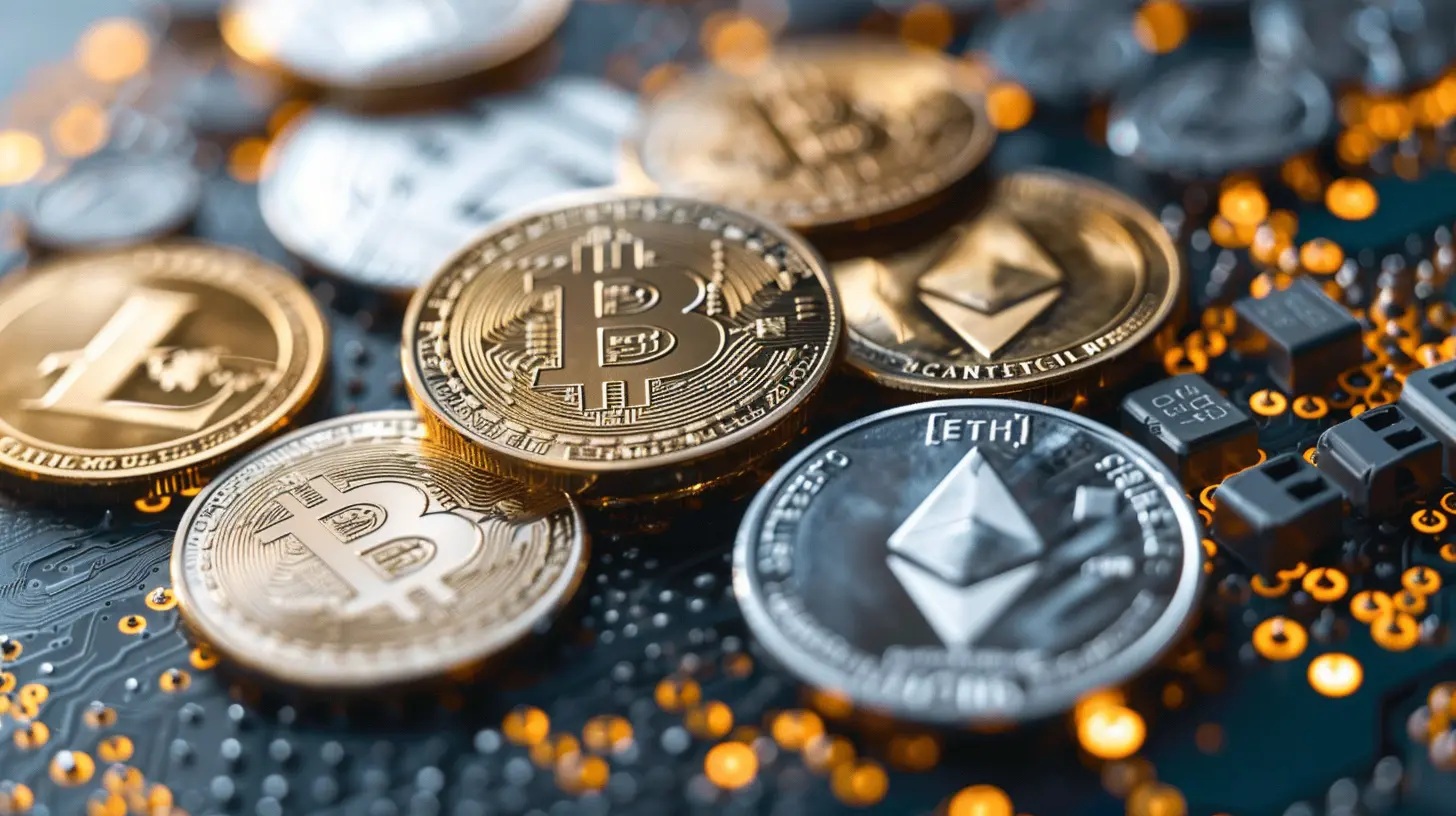
Understanding Decentralized Finance (DeFi)
At its core, DeFi is an alternative financial system that operates on blockchain technology. Unlike traditional banks that rely on middlemen (like loan officers or clearinghouses), DeFi uses smart contracts—automated programs that execute transactions without human intervention.Think of it like this: Imagine sending money to a friend across the globe without needing a bank, without waiting for approval, and without paying steep fees. That’s the magic of DeFi. 
How Does DeFi Work?
DeFi runs on blockchain networks, primarily Ethereum, though other blockchains like Binance Smart Chain (BSC), Solana, and Avalanche are also gaining traction. Here’s what makes DeFi different:1. Smart Contracts: These are self-executing contracts that remove the need for intermediaries like banks.
2. Decentralized Applications (dApps): These apps enable lending, borrowing, and trading without traditional financial entities.
3. Liquidity Pools: Users lock in funds to provide liquidity for trading, earning rewards in return.
4. Stablecoins: Cryptocurrencies pegged to real-world assets (like the U.S. dollar) to minimize volatility.
With these components, DeFi mimics traditional financial services—but in a more transparent, efficient, and accessible way. 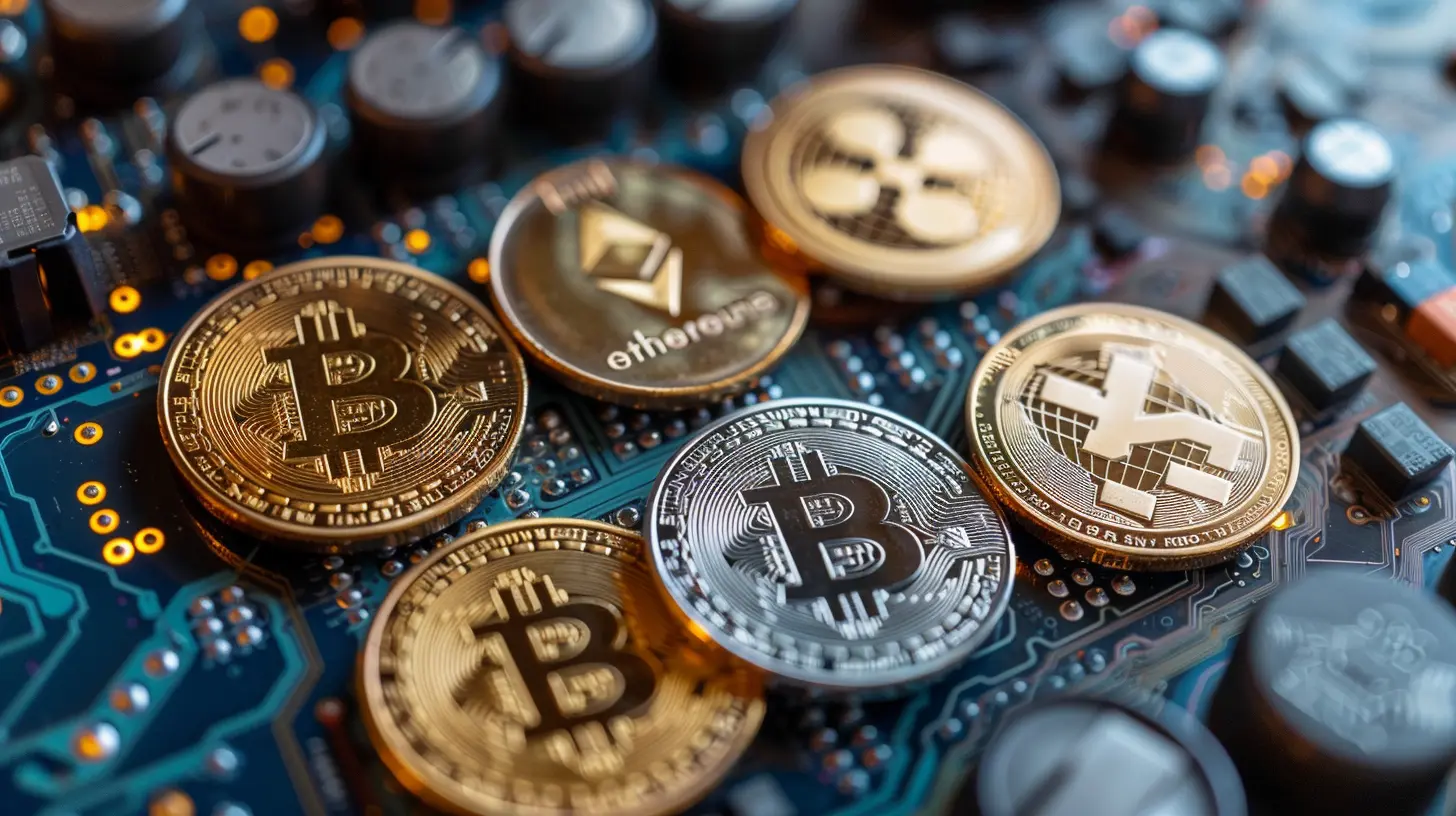
The Key Advantages of DeFi Over Traditional Banking
So why is DeFi gaining so much hype? Let’s compare it to traditional banking.1. No Middlemen = Lower Fees
Banks charge for everything—wire transfers, account maintenance, overdrafts. DeFi eliminates intermediaries, leading to lower costs and faster transactions.2. Financial Inclusion
A large portion of the global population remains unbanked due to strict regulations and financial barriers. DeFi opens doors for anyone with an internet connection, making financial services accessible to millions worldwide.3. Transparency & Security
Banking systems operate behind closed doors, but with DeFi, all transactions are recorded on public blockchains—ensuring full transparency and reducing corruption. Security is another perk; blockchain technology uses encryption to safeguard assets from fraud.4. High Yield Investments
Traditional savings accounts offer minimal interest rates, often failing to keep up with inflation. DeFi platforms, on the other hand, provide users with significantly higher returns through liquidity pools and yield farming opportunities.5. 24/7 Accessibility
Banks have operating hours. Blockchains don’t. With DeFi, you can trade, lend, or borrow anytime, anywhere, without waiting for approvals or dealing with restrictions.
Challenges Holding DeFi Back
Despite its huge potential, DeFi isn’t perfect. There are challenges that need to be addressed before it can become mainstream.1. Lack of Regulation
Since DeFi operates outside government control, it raises questions about security, fraud protection, and consumer rights. While decentralization is great, it also means no official safety net if something goes wrong.2. Smart Contract Vulnerabilities
Though smart contracts automate transactions, bugs in the code can be exploited by hackers, leading to theft and losses. Unlike banks that offer fraud protection, DeFi users have little to no recourse if they lose funds due to an exploit.3. Volatility and Risk
The crypto market is notoriously volatile. While DeFi offers high rewards, it also comes with high risks. Investors can lose money if they don't carefully manage their funds or if the value of their assets drops.4. Complexity
Let’s face it—DeFi isn’t the easiest thing to navigate. With traditional banking, you just open an account and you're set. In contrast, DeFi involves understanding wallets, private keys, staking, liquidity pools, and gas fees—which can intimidate non-tech-savvy users.Will DeFi Replace Traditional Banking?
Now comes the big question: Will DeFi take over banks? Well, not exactly—at least not in the near future. Traditional banks have a long-standing infrastructure, trust, and regulatory backing that DeFi currently lacks.However, what we will see is a hybrid model, where banks integrate DeFi principles to enhance their services. Some financial institutions are already experimenting with blockchain technology to improve transaction efficiency and security.
Banks won’t disappear overnight, but they will need to adapt or risk becoming obsolete.
How to Get Started with DeFi
If you’re curious about experiencing DeFi for yourself, here’s a simple roadmap:1. Get a Crypto Wallet – You'll need a non-custodial wallet like MetaMask, Trust Wallet, or Coinbase Wallet to store your assets.
2. Buy Crypto – Purchase Ethereum or other relevant crypto from an exchange like Binance, Coinbase, or Kraken.
3. Choose a DeFi Platform – Popular platforms include Aave (for lending/borrowing), Uniswap (for trading), and Compound (for earning interest).
4. Start Small – Invest only what you can afford to lose and familiarize yourself with the system before making big moves.
5. Stay Informed – DeFi evolves quickly. Follow industry news, join crypto communities, and always read the fine print before investing.
Final Thoughts: Is DeFi the Future?
DeFi is without a doubt reshaping finance in ways we never imagined. It offers inclusivity, transparency, and efficiency, but it also comes with risks and uncertainties.Rather than thinking of DeFi as a replacement for banking, it’s better to view it as an alternative—one that is still growing, refining, and evolving. Traditional banking isn’t going away anytime soon, but DeFi's potential to democratize finance is too powerful to ignore.
In the end, the future of finance isn’t black or white; it’s a blend of both worlds. DeFi and traditional banks may coexist, each filling gaps the other cannot. Only time will tell how this financial revolution unfolds.
all images in this post were generated using AI tools
Category:
CryptocurrencyAuthor:

Audrey Bellamy
Discussion
rate this article
2 comments
Piper McGinn
As the shadows of traditional banking loom, DeFi emerges as a beacon of innovation. Could this decentralized tide reshape our financial landscape forever, or is it merely a fleeting illusion in the digital age?
March 24, 2026 at 12:04 PM
Audrey Bellamy
DeFi has the potential to reshape banking by promoting transparency and accessibility, but its long-term impact will depend on regulatory acceptance and technological advancements.
Shelby McIntosh
Exciting insights! DeFi could reshape banking!
March 9, 2026 at 12:03 PM
Audrey Bellamy
Thank you! Absolutely, DeFi has the potential to revolutionize traditional banking by increasing accessibility and transparency.