Money and Happiness: Finding the Right Balance
19 August 2026
Money — that green-eyed monster we chase like it’s the antidote to every problem. But here's a curveball that many of us aren’t ready to catch: Does having more money actually make us happier? Or are we too caught up in the rat race to notice that money may be the best-paid illusion in our lives?
Let’s take a deep dive into that mysterious space between wealth and well-being. This isn’t your typical financial advice about saving more or budgeting better (though those are important too). Nope — this is a journey into the soul of your money mindset and the often confusing intersection where dollar signs meet dopamine hits.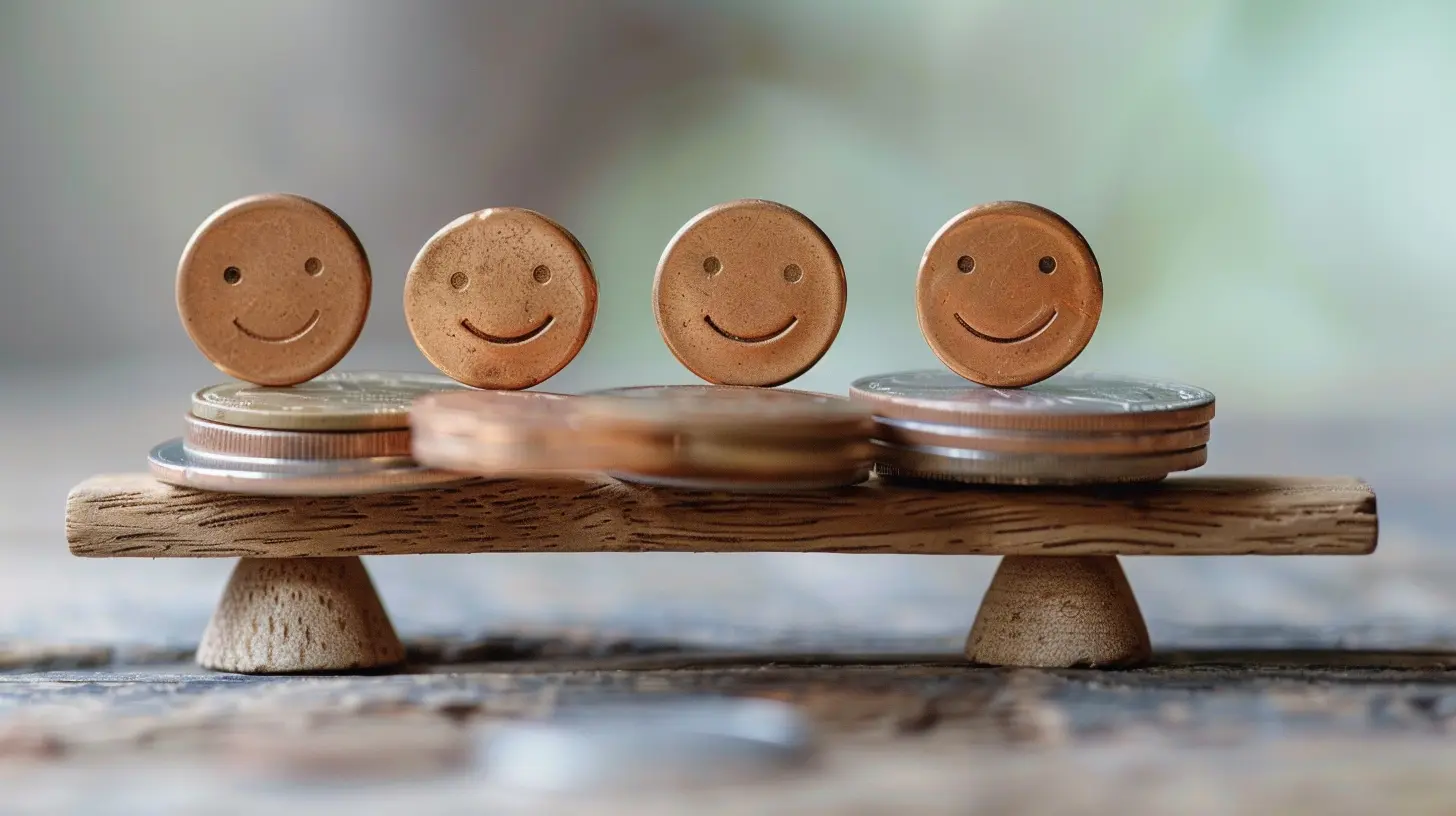
The Great Paradox: Can Money Buy Happiness?
Alright, let’s put it on the table. The big, bold, billion-dollar question — can money buy happiness?Well, yes... and no.
Think about it like this: money is like Wi-Fi. It doesn’t guarantee happiness, but it sure makes life smoother when it’s there. Money can relieve stress, open doors, and fund comfort. But after a certain point, throwing more money at your life is like pouring water into a glass that’s already full — it just spills over and makes a mess.
The famous 2010 Princeton study by Daniel Kahneman and Angus Deaton found that emotional well-being levels off after a certain income — around $75,000 per year. In 2024 dollars, maybe that’s closer to $100,000 depending on where you live. After that, extra cash doesn’t really increase your daily joy — it just polishes the furniture.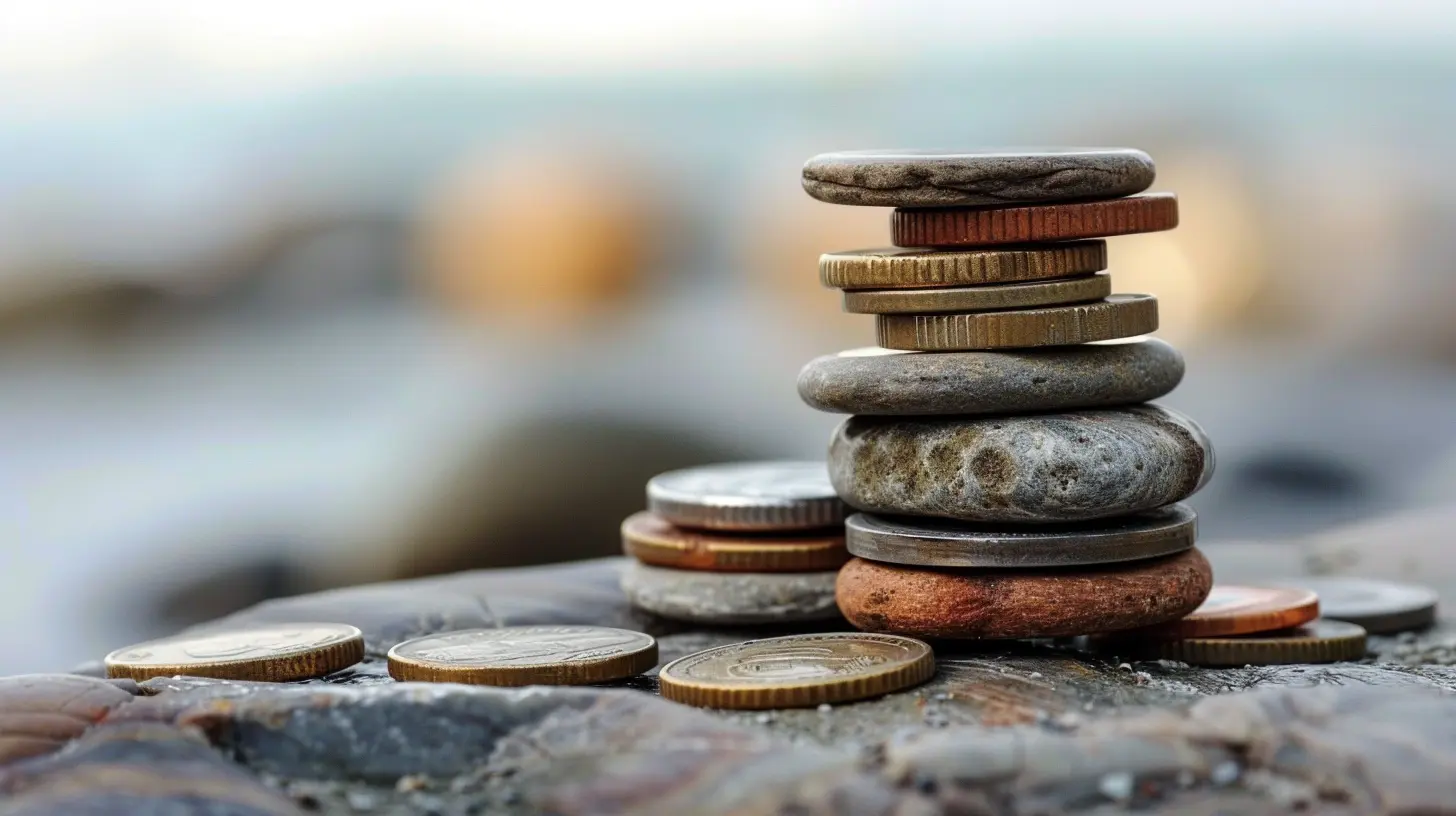
The Starting Line: What Does Happiness Even Mean?
Let’s pause for a hot second. Before we chase this “balance” between money and happiness, can we talk about what happiness really means?Happiness isn’t a constant high. It’s not giggling all day or popping champagne every weekend. True happiness is a cocktail of contentment, purpose, peace of mind, and those feel-good moments sprinkled in between.
And guess what? Most of those things aren’t tied to your paycheck.
Sure, being broke is stressful — let’s not romanticize poverty. But being rich doesn’t protect you from loneliness, insecurity, or burnout either. What you really want is enough financial cushion to feel safe — then you’re free to chase the stuff that really fills your emotional bank account.
The Trap of “More Is Better”
Ever notice how the more money you make, the more you seem to need?That’s lifestyle inflation. It’s sneaky. Get a raise, upgrade your car. Get a bonus, book that luxury vacation. Before you know it, your expenses rise in lockstep with your income — leaving you no better off emotionally than before.
And here’s the kicker: chasing “more” creates a moving target. When is it ever enough? $100K? $200K? A million? The finish line keeps shifting, and you end up running in circles with your happiness trailing behind like a forgotten suitcase.
The beasts of comparison and consumerism are always whispering in your ear. So if you're not mindful, you’ll spend your whole life upgrading stuff instead of upgrading your peace of mind.
Money as a Tool, Not a Trophy
Here’s a thought that might mess with your brain: money isn’t the goal. It’s the tool.If money’s your goal, congrats — you’ve just signed up for the never-ending marathon. But if you treat money like a tool, you can start using it for what matters.
Let’s say you value freedom — that could mean more time with your kids, the ability to travel, or even leaving a toxic job. Money, when managed wisely, can buy you that freedom. But if you blow it all trying to “look rich” rather than “feel rich,” you’re just painting gold over a cardboard castle.
Experiences vs. Stuff: Where Should You Spend?
Here’s a juicy one. Ever bought something super expensive, only to get bored of it a month later? That’s the “hedonic treadmill” — the idea that we adapt to new possessions quickly and start craving the next hit.Meanwhile, experiences — a trip with friends, a cooking class, a concert — tend to offer longer-lasting joy. They create memories. They connect you with people. They give your brain stories, not just stuff.
So, if you’re wondering how to spend your money for maximum happiness, experiences beat gadgets almost every time.
The Role of Purpose and Passion
Now let’s go a little deeper.Real talk: Do you wake up excited about how you're spending your time? Or are you dragging your feet every morning, dreading another day at a job that pays well but drains your soul?
Money can’t compensate for a lack of purpose. You can earn six figures and still feel hollow if you’re not doing something that aligns with your values. In fact, plenty of people take pay cuts to pursue something meaningful — and end up far happier for it.
Sometimes, the richest people are the ones who choose passion over paychecks. They may not have the fattest bank accounts, but they have full calendars, full hearts, and meaningful lives.
The Minimalist's Secret: Less Can Be More
Minimalism isn’t about living in a tiny white room with one chair and no TV. It’s about being intentional.What if you only spent on things that truly add value to your life? What if you cut out the noise, the excess, the distractions?
Financial minimalism strips away the unnecessary so you can focus on what really matters. It's not about deprivation. It's about liberation.
When you’re not shackled by car payments, credit card debt, or five streaming services you never watch, guess what? You breathe easier. You sleep better. And suddenly, you’ve got room — emotionally and financially — to focus on joy.
Financial Security vs. Financial Freedom
Let’s get a little nerdy for a sec.Financial security means you can cover your bills. Financial freedom means you have choices.
Security is the foundation — if you’re one emergency away from disaster, of course money is going to affect your happiness. But chasing freedom is next-level. It’s about building wealth not to show off, but to opt out — from stress, from burnout, from being owned by “the system.”
This is where budgeting, saving, investing — all that good financial hygiene — comes into play. It's not about hoarding money, it's about unlocking a life where you’re in charge.
The Influence of Gratitude
Here’s a secret weapon they don’t teach in economics class: gratitude.When you notice and appreciate what you already have, your desire for more quiets down. Suddenly, your $40,000 car doesn’t feel inferior to someone else’s Tesla. Your 1,000-square-foot apartment starts to feel cozy, not cramped.
Gratitude shifts your mindset from scarcity to abundance. And when you feel abundant, you’re less likely to tie your happiness to your net worth.
Funny how that works, huh?
Designing a Life That Feels Rich
Instead of asking, “How can I make more money?” try asking “What does a rich life look like for me?”Maybe it’s traveling. Maybe it’s working four days a week. Maybe it’s never having to wear a tie.
The point is — define your own version of richness. Then organize your finances to support that vision. When your money habits align with your personal definition of happiness, life starts to feel a whole lot lighter — and richer.
Action Steps: Finding Your Money-Happiness Balance
Let’s not leave this all floating in theory. Here’s how you can start finding your personal money-happiness sweet spot:1. Audit Your Spending
Look at your last 3 months of expenses. What did you spend money on that brought genuine joy? What felt like a waste? Cut the noise and double-down on joy-spending.2. Define Your Happiness Triggers
Is it travel? Time? Flexibility? Creativity? Nail it down. Now ask — how can your money work for those things?3. Build a Financial Safety Net
Peace of mind is priceless. Aim for 3–6 months of expenses in savings, and reduce debt. Security first. Freedom comes next.4. Invest in Experiences
Buy that concert ticket. Take that backpacking trip. Cook with strangers. Create stories. Moments outlast materials.5. Cultivate Gratitude Daily
Real happiness is often hiding in plain sight. Train your brain to see it.Conclusion: The Sweet Spot Is Personal
Balance isn’t a finish line. It’s a dance — one where you change steps as life throws you curveballs. What matters is how you use your money. Because when your money habits reflect your values, your life feels more aligned — and way more joyful.So, yeah. Money matters — but it’s not the star of the show. It’s the spotlight. What you focus it on? That’s where the magic happens.
Now go live a life that feels as rich as your bank account looks — or even better, richer.
all images in this post were generated using AI tools
Category:
Financial WellbeingAuthor:

Audrey Bellamy
Discussion
rate this article
2 comments
Lyanna Harmon
Balancing money and happiness is crucial; prioritize experiences and relationships over material wealth for true fulfillment.
August 28, 2026 at 2:36 AM
Audrey Bellamy
I completely agree. Experiences and relationships often bring lasting joy that money alone can't provide.
Uma Gray
What if the secret to happiness lies not in accumulating wealth but in how we manage it? The balance between money and contentment is delicate, and the journey to find it may reveal unexpected truths. Are we chasing the right goals, or just more zeros in our bank accounts?
August 26, 2026 at 11:53 AM
Audrey Bellamy
That's an interesting perspective. It's true that managing money wisely can lead to greater fulfillment, and focusing on meaningful goals can bring lasting happiness beyond just financial gain.