Physical Gold vs. Gold Mining Stocks: What's the Difference?
14 February 2026
When it comes to investing in gold, you've got more than one way to dip your toes in the shiny yellow metal. One path? You can hold the real deal—good old physical gold. Another? Slide into the stock market and buy shares of gold mining companies who dig it out of the ground for a living.
But which one's better? Which one fits your investment goals and risk tolerance? And are these options really that different?
Let’s talk about it—because while both are rooted in gold, they couldn’t be more different in how they behave, what they represent, and how they make you money.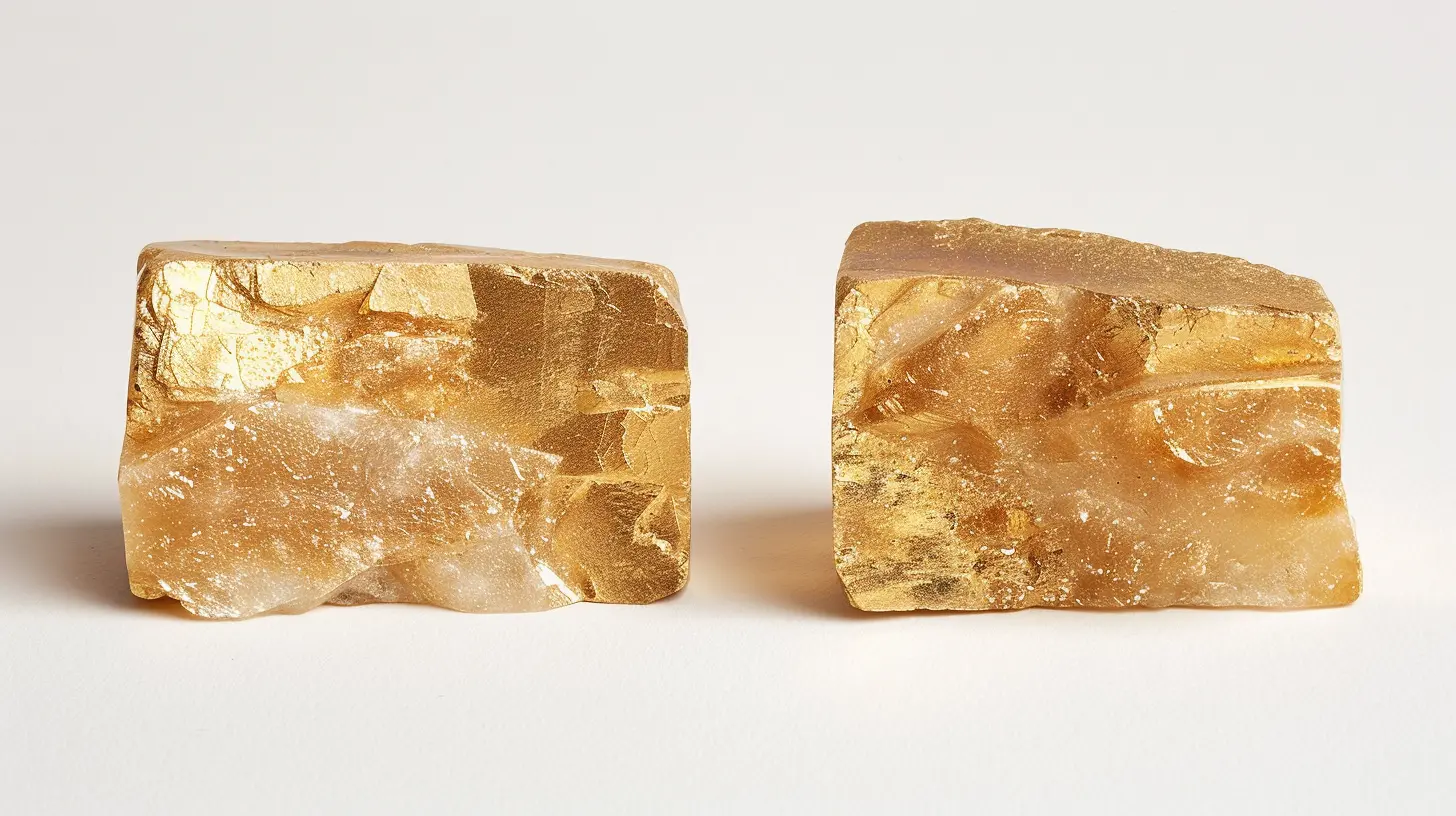
Understanding Physical Gold
Alright, let’s start with the obvious one—physical gold. We’re talking about actual, tangible gold you can touch. Coins, bars, even jewelry if you're fancy like that.When you buy physical gold, you're literally exchanging cash for metal. It’s like taking your dollars and turning them into a hard, shiny asset that’s been prized for thousands of years.
Pros of Physical Gold
- Tangible Asset – You own it. Like, really own it. You can stash it under your mattress if you want.- No Counterparty Risk – No worrying about companies going under or markets crashing.
- Hedge Against Inflation – Historically, when currencies lose value, gold tends to hold—or even gain—in value.
- Universal Value – Gold is recognized and valued around the world. Doesn’t matter where you are—gold is always gold.
Cons of Physical Gold
- Storage and Security – You’ve got to keep it safe. That means safes, insurance, maybe storage fees if you're using a vault.- No Passive Income – Gold just sits there. It doesn’t pay dividends or interest.
- Buying/Selling Spreads – You’ll usually pay a premium when you buy and might get less than market value when you sell. That spread adds up.
- Not Easily Tradeable – You can’t just click and sell like a stock. Liquidity can be an issue.

Diving into Gold Mining Stocks
Now let’s flip over to the other side of the coin—gold mining stocks. These are shares of companies that mine, produce, or explore for gold. You’ve probably heard of names like Barrick Gold or Newmont Mining.Buying these stocks means you're not investing in gold directly. Instead, you’re investing in a business that deals with gold.
Pros of Gold Mining Stocks
- Liquidity – You can buy or sell at market prices any time during trading hours.- Growth Potential – If the price of gold goes up, mining companies can see amplified gains. Why? Their fixed costs stay the same while their revenues increase.
- Dividends – Unlike physical gold, mining stocks might actually pay you to hold them.
- Diversification – Some companies mine for other resources too, giving your portfolio a little extra flavor.
Cons of Gold Mining Stocks
- Operational Risk – Mines can flood, strikes can happen, equipment can break... Stuff goes wrong.- Market Risk – You're still exposed to broader stock market volatility.
- Management Risk – A bad CEO or poor financial decisions can tank a company—even if gold prices are rising.
- Correlation With Gold Isn’t Perfect – Sometimes gold prices rise and mining stocks don’t. That’s just how it is.

Side-By-Side Comparison: Physical Gold vs. Gold Mining Stocks
Let’s simplify it. Here’s a quick breakdown of how the two compare:| Feature | Physical Gold | Gold Mining Stocks |
|----------------------------|------------------------|---------------------------|
| Type of Asset | Tangible commodity | Equity (ownership in a company) |
| Volatility | Low to moderate | High |
| Risk Level | Lower | Higher |
| Income Generation | None | Possible via dividends |
| Storage Required | Yes | No |
| Liquidity | Lower | Higher |
| Correlation to Gold Price | Direct | Indirect (can be amplified) |
| Affected by Market Crashes | Less | Yes |
See the difference now? Same gold world. Very different gameplay.
How Do They Perform in Different Economic Conditions?
This is where it gets interesting.In Times of Inflation
Gold has long been a go-to fence for inflation. When the dollar loses value, gold usually holds up. People freak out about fiat currency? They race to gold.Physical gold shines here because it's not tied to a company’s profit margins. It just is.
Gold mining stocks? They can benefit too, especially when gold prices skyrocket. But you’ve also got to consider rising operational costs—which inflation affects too.
In a Market Crash
Physical gold tends to act like a safe haven. It doesn’t always go up in a crash, but it usually doesn’t tank either. It’s the asset people run to when everything else is falling apart.Gold mining stocks? Not so much. They can get swept up in the panic, just like any other stock. Even if gold prices remain steady, the stock price of a gold miner can sink due to general market fear.
Which One Should You Choose?
Now here’s the million-dollar question: Should you buy physical gold or gold mining stocks?The answer? It depends on your style.
Go for Physical Gold if:
- You’re looking to protect wealth, not necessarily grow it fast.- You want a hedge against currency devaluation or economic instability.
- You prefer owning assets that aren’t tied to Wall Street.
Go for Gold Mining Stocks if:
- You’re comfortable with more risk and potential reward.- You want exposure to gold but still want your portfolio to generate income.
- You enjoy analyzing companies and riding the highs (and yes, sometimes the lows) of the stock market.
Honestly, a combo strategy might be best. Get a little real gold for stability and some miners for potential growth. Like a fruit salad—each piece brings something to the bowl.
What About ETFs?
Let’s not forget the middle ground: gold ETFs (Exchange-Traded Funds). Some ETFs hold physical gold (like SPDR Gold Shares—GLD), while others hold a basket of gold mining stocks (like GDX).Gold ETFs give you exposure without the hassle of storing gold or picking individual stocks. But remember—you still don’t directly own the physical metal unless the ETF states otherwise.
Final Thoughts
Both physical gold and gold mining stocks have their place in a smart investor’s toolkit. One offers stability and timeless value. The other offers potential for growth and income.You just have to ask yourself: Are you the type who wants to hold your gold and never let go? Or are you okay with paper profits and a bit of volatility in exchange for higher upside?
Whatever you choose, gold—whether in your hand or in a stock portfolio—is a classic way to diversify, protect, and maybe even grow your wealth.
Just be clear on what you’re actually buying… because while they may both glisten, not all that glitters is the same kind of gold.
all images in this post were generated using AI tools
Category:
Gold InvestmentAuthor:

Audrey Bellamy
Discussion
rate this article
2 comments
Will Barron
Invest in both: gold offers stability, mining stocks provide growth potential.
March 12, 2026 at 5:55 AM
Audrey Bellamy
Thank you for your insight! Balancing both can indeed provide a diversified approach to investing in gold.
Jude Hubbard
This article effectively highlights the key differences between investing in physical gold and gold mining stocks, offering valuable insights for investors looking to diversify their portfolios in the precious metals market.
February 14, 2026 at 11:41 AM
Audrey Bellamy
Thank you for your feedback! I'm glad you found the article helpful in understanding the distinctions between investing in physical gold and gold mining stocks. Your insights are much appreciated!