Reverse Mortgages: Are They a Good Source of Retirement Income?
15 June 2026
Retirement should be a time to relax and enjoy the fruits of your labor. But let’s be real—financial security plays a huge role in making that possible. If you're a homeowner, you've probably heard about reverse mortgages as a potential source of retirement income.
But is a reverse mortgage really a smart move? Or could it end up costing you more in the long run? In this guide, we’ll break it all down—how it works, the pros and cons, and whether it’s the right choice for you. Let’s dive in!

What Is a Reverse Mortgage?
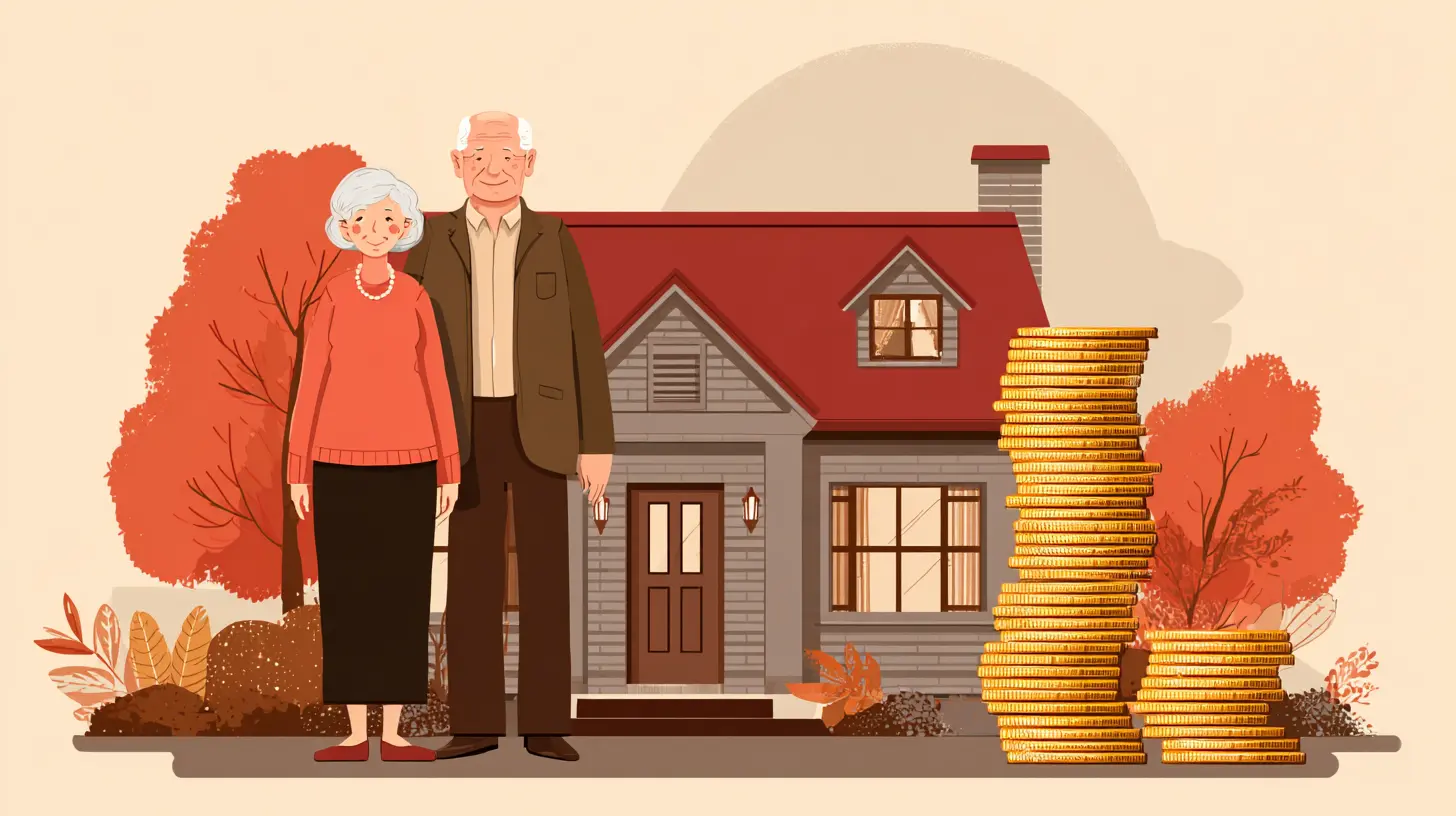
A reverse mortgage is a type of home loan that lets homeowners convert part of their home equity into cash without selling their house. Unlike traditional mortgages where you make monthly payments to a lender, a reverse mortgage pays you—either as a lump sum, monthly payments, or a line of credit.The catch? You don’t have to repay the loan as long as you live in the home. Instead, the loan is repaid when you sell the home, move out, or pass away.
How Does a Reverse Mortgage Work?
A reverse mortgage is available to homeowners aged 62 or older, and the amount you can borrow depends on:- Your age (older borrowers can access more funds)
- The value of your home
- Current interest rates
- Your existing mortgage balance (if any)
Once approved, you can receive your funds in different ways:
- Lump sum – A one-time payout
- Monthly payments – A steady stream of income
- Line of credit – Withdraw funds as needed
- Combination – A mix of the above options

The Pros of a Reverse Mortgage
A reverse mortgage can be a lifeline for retirees struggling with expenses. Here are some key benefits:1. No Monthly Mortgage Payments
One major perk is that you don’t have to make monthly mortgage payments. Instead, the loan balance grows over time, and repayment is delayed until you sell the home or pass away.2. Access to Tax-Free Funds
Because the money you receive is considered a loan advance (not income), it’s not subject to income taxes. This can be a great way to supplement your retirement income without increasing your tax bill.3. You Keep Ownership of Your Home
Contrary to popular belief, you still own your home when you take out a reverse mortgage. As long as you live in the home, maintain it, and pay property taxes and insurance, you won’t be forced to leave.4. Flexible Payment Options
You can choose how you receive the money—whether as a lump sum, monthly payouts, or just a line of credit to tap into when needed. This flexibility makes it easier to tailor your finances to your needs.5. Government Insurance Protection
Most reverse mortgages are FHA-insured Home Equity Conversion Mortgages (HECMs). This means if the loan balance exceeds your home’s value, neither you nor your heirs will be stuck paying the difference. The FHA covers the shortfall.
The Cons of a Reverse Mortgage
While a reverse mortgage can be a great option for some, it’s not without drawbacks. Here are a few potential downsides:1. Loan Balance Increases Over Time
Unlike a traditional mortgage, where payments reduce what you owe, a reverse mortgage grows over time due to interest and fees. This means the amount you owe can eventually exceed the value of your home.2. High Fees and Interest Rates
Reverse mortgages come with origination fees, mortgage insurance premiums, and closing costs—all of which can add up quickly. Plus, the interest rates are typically higher than those on regular home loans.3. Impact on Heirs
If you plan to leave your home to your heirs, a reverse mortgage could make that difficult. After you pass away or move out, the loan must be repaid—often by selling the house. This could limit what you can pass down to your family.4. Risk of Foreclosure
Although you don’t make mortgage payments, you’re still responsible for property taxes, insurance, and home maintenance. Failing to keep up with these expenses could lead to foreclosure.5. Affects Medicaid and Other Benefits
If you receive Medicaid or Supplemental Security Income (SSI), a reverse mortgage payout could affect your eligibility. It’s crucial to plan ahead so you don’t accidentally lose access to these benefits.Is a Reverse Mortgage the Right Choice for You?
A reverse mortgage isn’t a one-size-fits-all solution. While it can provide much-needed cash flow, it’s important to weigh the long-term implications.Consider a Reverse Mortgage If:
✔ You need extra income to cover daily expenses and healthcare costs.✔ You have no plans to move and want to age in place.
✔ You don’t mind using your home equity as a financial resource.
✔ You don’t have heirs or they don’t mind selling the home to pay off the loan.
A Reverse Mortgage Might Not Be for You If:
✖ You want to leave your home to your heirs without debt attached.✖ You’re planning to move within a few years.
✖ You can cover your retirement expenses without tapping into home equity.
✖ You’re worried about the high fees and growing loan balance.
Alternatives to a Reverse Mortgage
Not convinced a reverse mortgage is right for you? Consider these alternatives:1. Downsizing
Selling your home and moving to a smaller, more affordable place can free up cash and reduce living expenses—without taking on debt.2. Home Equity Loan or HELOC
A home equity loan or home equity line of credit (HELOC) might be a better option if you need extra cash but want to keep control of your home equity.3. Renting Out Part of Your Home
If you have extra space, renting out a room or a portion of your home can bring in steady income while allowing you to stay in your home.4. Government Assistance Programs
Check for state or federal assistance programs that can help cover costs like property taxes, utility bills, or healthcare expenses.Final Thoughts
A reverse mortgage can be a lifeline or a financial trap, depending on your situation. While it provides tax-free cash and eliminates monthly mortgage payments, the growing loan balance and high fees can eat away at your home equity over time.Before making a decision, talk to a financial advisor to explore all your options. If a reverse mortgage aligns with your retirement goals, it can be a powerful tool to supplement your income. Just be sure you fully understand the long-term impact on your finances and your heirs.
Would you consider a reverse mortgage for your retirement? Let us know your thoughts in the comments below!
all images in this post were generated using AI tools
Category:
Retirement IncomeAuthor:

Audrey Bellamy
Discussion
rate this article
1 comments
Arianth McTigue
Reverse mortgages can be a smart option for some retirees. If you're curious, dive in and explore how they might fit your retirement plan. You got this!
June 26, 2026 at 12:44 PM
Audrey Bellamy
Thanks for your insight! Reverse mortgages can definitely be a valuable tool for retirees when used wisely. It's important to weigh all options before deciding.