Specialized Offshore Accounts for High Net Worth Individuals
2 September 2026
Let’s be honest — if you’re reading this, there's a good chance you’re either on your way to joining the top 1%, already comfortably there, or just really, really curious. Either way, welcome. This isn’t your average finance blog post about saving a few bucks on your morning latte. Nope. We’re diving headfirst into the sleek, often misunderstood world of specialized offshore accounts for high net worth individuals.
Sounds fancy? That’s because it is. But don’t worry — we’re going to break it all down, real talk style. By the end of this read, you’ll understand why the ultra-wealthy park their funds overseas, how these accounts really work, and whether it might be your next power move.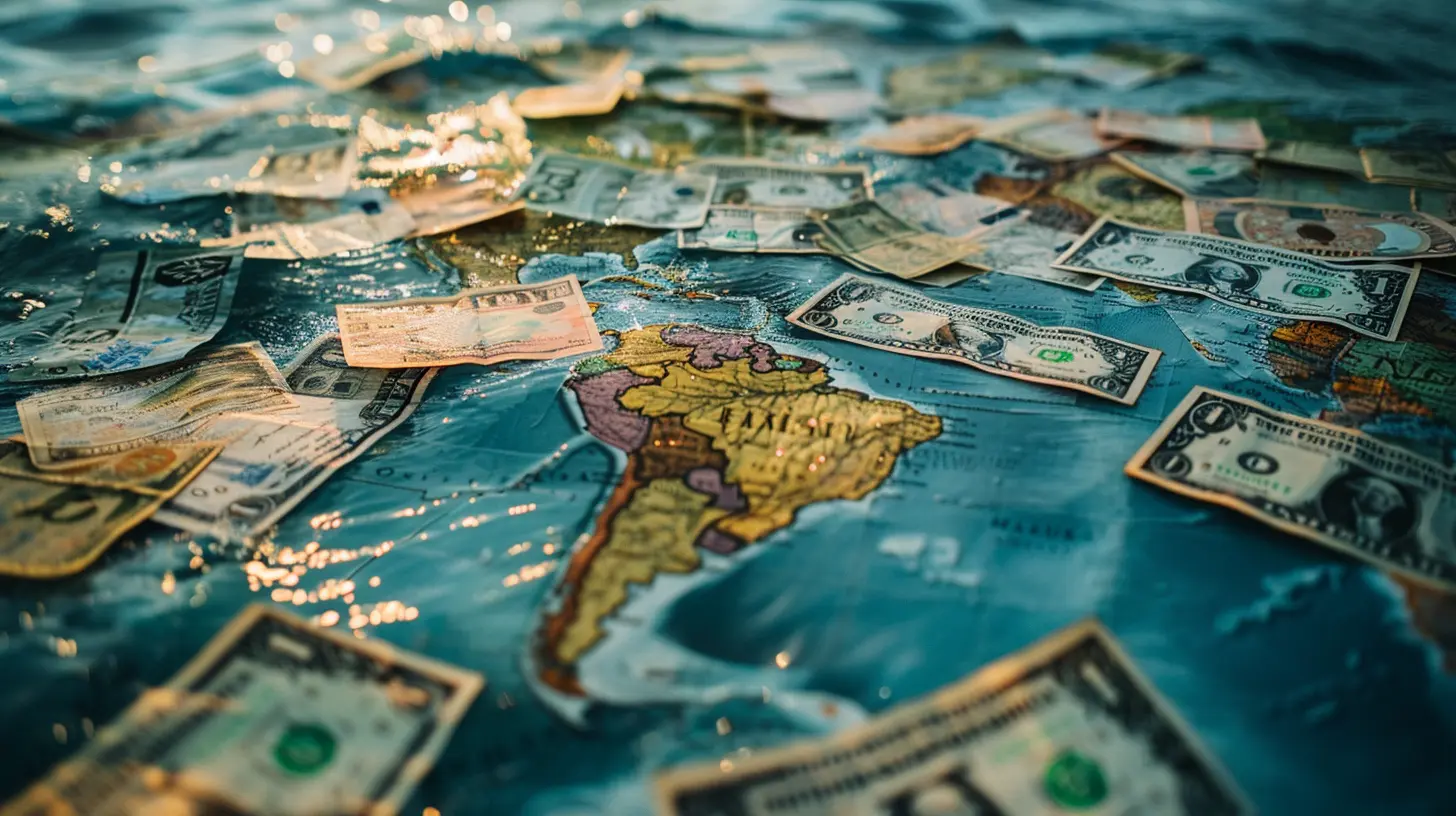
What Exactly Is a Specialized Offshore Account?
Let’s kick things off with the basics.An offshore account is simply a bank account located outside your home country. Now, throw the word “specialized” in there and we’re talking about accounts designed specifically for high net worth individuals (HNWIs) — people with significant assets, usually over $1 million (and that’s just the baseline).
These aren’t your average checking accounts. Think of them more like a Swiss Army knife of financial tools — custom-built to protect your wealth, minimize taxation, improve privacy, and offer investment opportunities that you just can’t get onshore.
So, Why Offshore?
Short answer: flexibility, privacy, and protection.Long answer: wealthy individuals go offshore for a bunch of reasons — to hedge against currency risk, access global investment markets, and ensure their assets are safe and sound, even if their home country’s economy takes a nosedive.
Still with me? Great.
Types of Specialized Offshore Accounts
Let’s unpack the toolbox. There are a few different types of offshore accounts tailored for HNWIs, and each offers a unique set of perks.1. Private Offshore Bank Accounts
These are the bread and butter for the ultra-wealthy. Think of them like a VIP club of banking — personalized relationship managers, exclusive financial products, and higher levels of discretion. You’ll find these in jurisdictions like Switzerland, Luxembourg, the Cayman Islands, and Singapore.Want top-tier service that caters to your every financial whim? This is your go-to.
2. Offshore Investment Accounts
Looking to grow your wealth globally? These accounts provide access to international markets, alternative investments, and portfolio diversification beyond what most domestic options allow.You can tap into foreign mutual funds, real estate, hedge funds, private equity — the whole nine yards.
3. Trust and Foundation Structures
Now we’re getting into the deep stuff.Setting up a trust or private foundation in an offshore jurisdiction can help you manage succession planning, protect wealth from creditors (or divorce settlements — let’s be real), and even contribute to philanthropic causes. These structures often come with tax advantages and legal separation of assets.
Smart money plays hide and seek well.
Popular Offshore Jurisdictions (AKA, the Usual Suspects)
So where do the wealthy go to open these sleek financial vehicles? Some old-school names keep popping up for a reason — they’ve earned their reputation for confidentiality, stability, and smart regulation.Here are the big hitters:
- Switzerland – Legendary privacy, strong banking history, and neutrality.
- Cayman Islands – No direct taxes and business-friendly laws.
- Singapore – Asia’s financial hub, known for political stability and a robust economy.
- Luxembourg – A quiet giant in wealth management and investment funds.
- British Virgin Islands (BVI) – Flexible corporate structures and privacy.
Each of these places is kind of like the five-star resorts of the banking world. Exclusive, secure, and designed to impress.
The Benefits (A.K.A. Why the Wealthy Love Offshore Accounts)
Okay, now that we know what we’re working with, let’s talk about why HNWIs are making overseas moves with their money.1. Asset Protection
When you’ve got significant wealth, you’ve got a big ol’ target on your back. Lawsuits, political instability, or even aggressive tax authorities can pose a threat. Offshore accounts offer a level of protection that keeps your wealth safe and tucked away like a prized possession in a private vault.Think of it as financial insurance.
2. Tax Optimization (Not Evasion!)
Let’s clarify something right now: tax evasion is illegal — full stop. But tax optimization? That’s just smart planning.Many offshore jurisdictions offer favorable tax treaties or zero-tax environments, allowing you to legally structure your finances in a way that reduces your overall burden.
It’s like taking the express lane while everyone else is stuck in traffic.
3. Privacy and Confidentiality
Not every millionaire or billionaire wants their financial laundry aired out. Offshore accounts can provide a thick veil of privacy — no need to broadcast your net worth to everyone with a search engine.Of course, transparency laws like FATCA and CRS have changed some of the game, but savvy planners can still maintain a high level of discretion.
4. Global Investment Opportunities
Why limit yourself to your home turf? Offshore accounts open up a world (literally) of investment strategies that may not be available to you locally.From emerging markets in Asia to private ventures in Europe, having an offshore base gives you access to assets that could slip under the radar of domestic-only investors.
5. Estate Planning and Wealth Transfer
If your wealth is generational (or that’s the goal), offshore trusts and accounts can help you pass on assets efficiently and privately.Bonus points? You can skip some of the red tape and potential legal chaos that often comes with asset distribution.
The Risks and What to Watch Out For
Okay, no system is perfect — and offshore banking isn’t all smooth sailing.1. Regulatory Scrutiny
Governments are cracking down hard on offshore accounts due to a history of shady dealings. If you don’t report properly or follow international compliance standards, you could get slapped with hefty penalties.Always follow the rules. Always.
2. Legal and Setup Costs
These aren’t free checking accounts we’re talking about. Setting up an offshore trust, foundation, or private account can cost thousands of dollars in legal, advisory, and maintenance fees.This isn’t something you DIY. You want top-tier advisors in your corner.
3. Currency Risks
Offshore accounts may be held in different currencies, which can be a blessing or a curse depending on fluctuations. You’ll need to factor in forex trading effects on your returns.4. Reputation Concerns
Let’s face it — offshore accounts still get a bad rap in mainstream media. While they’re legal and legit when set up correctly, you’ll want to ensure you're ready to defend your financial choices if the spotlight ever turns your way.How to Get Started (If You’re Thinking About It)
So, you’ve read this far and still think offshore accounts might be your cup of tea? Here’s how to kick things off:Step 1: Talk to a Wealth Advisor
Not just any advisor — someone who specializes in offshore wealth management and has international tax expertise. This step is non-negotiable.Step 2: Choose the Right Jurisdiction
Every country has its own pros and cons. Your advisor can help weigh options based on your citizenship, residency, and financial goals.Step 3: Pick the Right Structure
Are you setting up a trust? A corporate account? A personal banking package? You’ll need a tailored plan to match your needs.Step 4: Stay Compliant
Report your assets as required under laws like FATCA (for U.S. citizens) or the Common Reporting Standard (CRS). It’s better to be over-transparent than pay the price later.Myths About Offshore Banking (Let’s Set the Record Straight)
Let’s bust a few myths, shall we?Myth #1: Offshore accounts are only for shady dealings
Wrong. Most accounts are legally set up with the help of financial advisors and exist to protect and grow wealth.Myth #2: Only billionaires can use them
Nope. While it helps to have substantial assets, many offshore banks have entry points starting at $100,000 to $250,000.Myth #3: They're illegal
Not even close — they’re perfectly legal when properly declared and used in compliance with international tax laws.Myth #4: Offshore means "tax evasion"
Again, nope. Offshore means "international financial planning." Big difference.Final Thoughts
At the end of the day, specialized offshore accounts for high net worth individuals aren’t some secret backroom handshake of the ultra-elite. They’re financial tools — and just like any tool, it’s all about how you use them.If you’ve got wealth and want to protect it, grow it, and ensure it sticks around for the next generation (and the one after that), offshore accounts might not just be an option — they might be a necessity.
Just remember: play by the rules, partner with the right experts, and think long-term. Wealth isn’t just about making money. It’s about making it last.
all images in this post were generated using AI tools
Category:
Offshore AccountsAuthor:

Audrey Bellamy
Discussion
rate this article
2 comments
Marlowe Cole
High net worth individuals seeking offshore accounts should tread carefully. While the allure of tax advantages and privacy is strong, the complexities and potential legal pitfalls are equally significant. It's crucial to seek expert advice and ensure compliance. Remember, not all that glitters is golden in offshore finance.
September 29, 2026 at 10:25 AM
Audrey Bellamy
You're absolutely right. Navigating offshore accounts requires caution and expert guidance to avoid costly mistakes. Compliance is key. Thank you for highlighting these important points.
Esther Reed
This article sheds light on a vital aspect of wealth management. Specialized offshore accounts can offer high net worth individuals unique opportunities for asset protection and tax efficiency. It's essential to stay informed and consider how these options align with your financial goals. Great insights here!
September 14, 2026 at 4:10 AM
Audrey Bellamy
Thank you for your feedback! I'm glad you found the insights on offshore accounts valuable for wealth management. Staying informed is key to making the best financial choices.