The Benefits of Holding Gold During Times of Deflation
8 May 2026
Let’s get real for a second — when the economy turns upside down, and prices start falling instead of going up, most people panic. Deflation sounds harmless, right? Things just get a little cheaper. But in the world of finance and investing, deflation can be a vicious monster that quietly erodes wealth, suffocates growth, and sends stock markets into a tailspin.
So how do you protect your money during those gloomy times? One word: Gold.
In this article, we’re going to break down the undeniable benefits of holding gold during deflationary periods. We'll cut through the financial jargon and talk about why gold might be your best friend when everyone else is scrambling.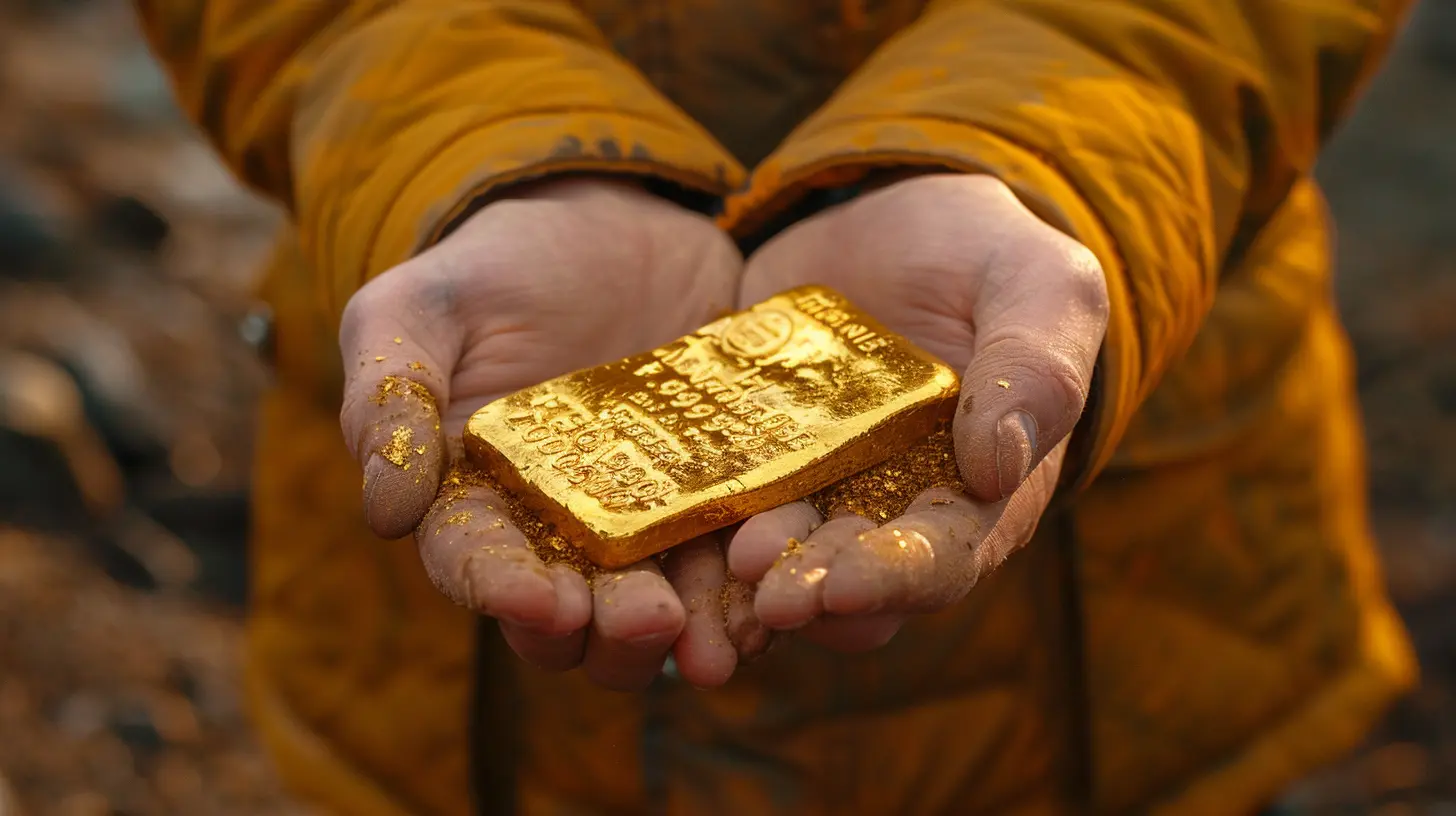
What Is Deflation, Anyway?
Before we dive into gold, let’s quickly clarify what deflation even is.Deflation is when prices of goods and services drop over time. Unlike inflation, where the dollar buys less, deflation means your money actually goes further. Sounds great, right?
Well, not so fast.
Deflation often signals a deeper economic problem. It usually comes with falling wages, shrinking demand, and increased debt burdens. Businesses stop investing. Consumers hold off spending. And economies can spiral into recessions or worse.
This is where gold enters the stage.
Why Traditional Assets Fail During Deflation
During deflation, traditional investments like stocks, real estate, and bonds can take a serious hit. Here’s why:- Corporate Earnings Drop – As demand shrinks, companies earn less. That’s bad news for stockholders.
- Debt Becomes Heavier – Deflation increases the real value of debt. That’s a heavy anchor for borrowers and investors alike.
- Real Estate Tanks – Falling prices and wages put downward pressure on housing values.
- Interest Rates Hit the Floor – Central banks slash rates in an effort to stimulate the economy, which kills the yield on savings and fixed-income assets.
In short, when the usual suspects let you down, you need something outside the box — and that’s where gold shines.
Gold: The Timeless Safe Haven
Gold isn’t just a pretty metal you wear around your neck or hoard in a pirate’s chest. It’s a serious financial weapon during shaky times. Unlike paper currencies and digital bank balances, gold is tangible, scarce, and universally accepted as a store of value.Why Gold Holds Up in a Deflationary Crunch:
Let’s break this down.1. Gold Is Not a Liability
Stock shares are tied to company performance. Bonds are essentially IOUs. Even your cash in the bank is a promise from a financial institution that may or may not hold up.Gold? It’s a physical asset. No counterparty risks. No broken promises. You own it outright.
2. Gold Preserves Purchasing Power
In a deflationary environment, most assets lose value — but gold tends to hold its ground. While prices fall all around, gold acts like a financial anchor. It doesn’t necessarily "grow" like stocks during a bull market, but it doesn’t sink either.It keeps your purchasing power intact when everything else is losing altitude.
3. Gold Is Liquid
Need cash in an emergency? Gold is instantly tradable almost anywhere in the world. There’s always a demand for it, even in the worst economic crises.Imagine trying to sell a house or dump stocks during a panic? Good luck getting fair value. But gold? You’ll likely find a buyer, even in a storm.
4. It’s a Currency Hedge, Even in Deflation
You’ve probably heard about using gold as a hedge against inflation. But it also works the other way. Gold often performs well during currency devaluation swings — which can happen during both inflationary and deflationary crashes.If your currency is tanking, gold can act like a parachute.
Historical Proof: Gold in Past Deflationary Periods
Let’s talk history real quick. The Great Depression in the 1930s — the worst deflationary period in modern U.S. history — gave us a powerful lesson.When the economy collapsed, deflation took hold, and nearly every asset crumbled. But gold, especially after the U.S. left the gold standard, gained tremendous value as a hedge. The government even revalued gold artificially higher in 1934 — from $20.67 to $35 per ounce. That’s a 70% jump.
Fast-forward to the 2008 financial crisis. While it wasn’t pure deflation, the deflationary pressures were massive. Gold soared from around $800 to over $1,800 within a few years.
That’s not a fluke. That’s a trend.
Comparing Gold to Other "Safe" Assets
You might be wondering, “Can’t I just stick my money in cash or bonds during deflation?”Sure, you can — but let’s compare.
| Asset Type | Performance in Deflation | Risk Level | Liquidity | Store of Value |
|------------|--------------------------|------------|-----------|----------------|
| Cash | Retains value short-term | Low | High | Medium |
| Bonds | Yields drop; price may rise | Moderate | Medium | Medium |
| Real Estate| Prices often fall | High | Low | Low |
| Stocks | Very volatile | High | High | Low |
| Gold | Holds or gains value | Low | High | High |
Gold wins three out of five categories — and arguably does the best job at preserving wealth when everything else is melting.
The Psychological Power of Gold
We’ve covered the numbers and the history. But let’s not overlook one huge benefit of gold that gets talked about too little — peace of mind.When markets are crashing, banks are under threat, and uncertainty rules the day, knowing that you physically own something of true value is a huge mental boost.
It’s like having a financial seatbelt when the economic ride gets bumpy.
You can’t put a price on that kind of security. In fact, that psychological edge is why central banks across the globe still hoard gold like dragons — despite all their digital currency power.
How Much Gold Should You Hold?
Now, we’re not saying you should sell all your stocks and buy gold bars tomorrow. But including gold in your portfolio — especially in deflationary times — is a smart move.Most financial experts suggest holding anywhere from 5% to 15% of your total portfolio in gold or precious metals as a hedge. That could be in the form of:
- Physical gold (coins, bars)
- Gold ETFs
- Gold mining stocks
- Mutual funds focused on precious metals
How much you choose depends on your risk tolerance, goals, and how worried you are about deflation knocking on the door.
What About Gold’s Price Volatility?
Yes, gold prices fluctuate. Sometimes a lot. But compared to the kind of volatility we see in stock markets during deflationary crashes, gold’s swings are relatively tame.More importantly, gold tends to zig when everything else zags. It may dip temporarily, but historically, during economic stress, it finds its way back up — and usually faster than other assets.
It’s not perfect, but it’s one of the most reliable insurance policies available.
Final Thoughts: Don't Wait Until It's Too Late
Deflation can be sneaky. It doesn't always come with flashing warning signs. One minute prices are stable, the next, unemployment rises, prices drop, and debt spirals out of control.That’s not the time to start thinking about protection. That’s the time you’ll need it already in place.
Gold isn’t sexy. It doesn’t promise explosive returns. But when the economic tide turns ugly, gold stays solid. Literally and figuratively.
Think of it like a life jacket you hope you never need — but are damn glad to have if the boat starts sinking.
So, is gold the answer to all financial ills? No. But during deflation? It might just be your golden ticket to staying afloat.
all images in this post were generated using AI tools
Category:
Gold InvestmentAuthor:

Audrey Bellamy
Discussion
rate this article
2 comments
Marie Romero
Gold proves its value when deflation strikes hard.
August 12, 2026 at 3:13 AM
Audrey Bellamy
Absolutely, gold often acts as a safe haven in deflationary periods, preserving wealth when other assets decline.
Farrah Hines
Great read! It's interesting how gold can act as a safe haven during deflation. Definitely something to consider for anyone looking to protect their wealth.
May 11, 2026 at 3:12 AM
Audrey Bellamy
Thanks for your feedback! Gold really does provide an interesting safeguard in deflationary times. Glad you found it valuable.