The Environmental Impact of Cryptocurrency Mining
12 March 2026
Cryptocurrency has taken the world by storm over the past decade. Bitcoin, Ethereum, and other digital currencies are becoming everyday terms among investors, tech enthusiasts, and even regular folks scrolling through social media. But here’s the thing — while crypto might sound like a futuristic financial revolution, it’s also stirring up quite a storm on our planet.
No, really. Behind those shiny coins and insane price charts lies a massive environmental cost. Crypto mining, the very process that keeps blockchains running, is guzzling down electricity like there’s no tomorrow. But what’s the real damage? And can we fix it before it gets worse?
Let’s break it down — in plain English.
What Is Cryptocurrency Mining Anyway?
Before diving into the environmental mess, let’s get you up to speed on how crypto mining works — don’t worry, no tech jargon here.Think of it like a super complicated video game. Miners (the players) are racing to solve a giant, complex puzzle. The winner gets rewarded with cryptocurrency (usually Bitcoin or another coin), and the blockchain gets updated with a new “block” of data. Yay!
But here’s the kicker: solving that puzzle isn’t easy. It takes a TON of computing power. We’re talking massive data centers filled with powerful machines running 24/7. And all of that horsepower requires — yup, you guessed it — a massive amount of electricity.
Why Does Crypto Mining Use So Much Energy?
Let’s put things in perspective. Bitcoin mining alone consumes more electricity than some entire countries. No joke. We’re talking more power than Argentina, Norway, or the Netherlands. So, what gives?It all boils down to how secure the network is. Bitcoin, for instance, uses a method called Proof of Work (PoW). To keep the blockchain honest and resistant to hacking, miners have to prove they did the “work” (that is, use lots of computing power) to add a new block.
The more miners compete, the harder the puzzles get. It’s like lifting heavier and heavier weights just to prove you’re worthy of another coin.
Sounds inefficient, right? That’s the trade-off for security and decentralization.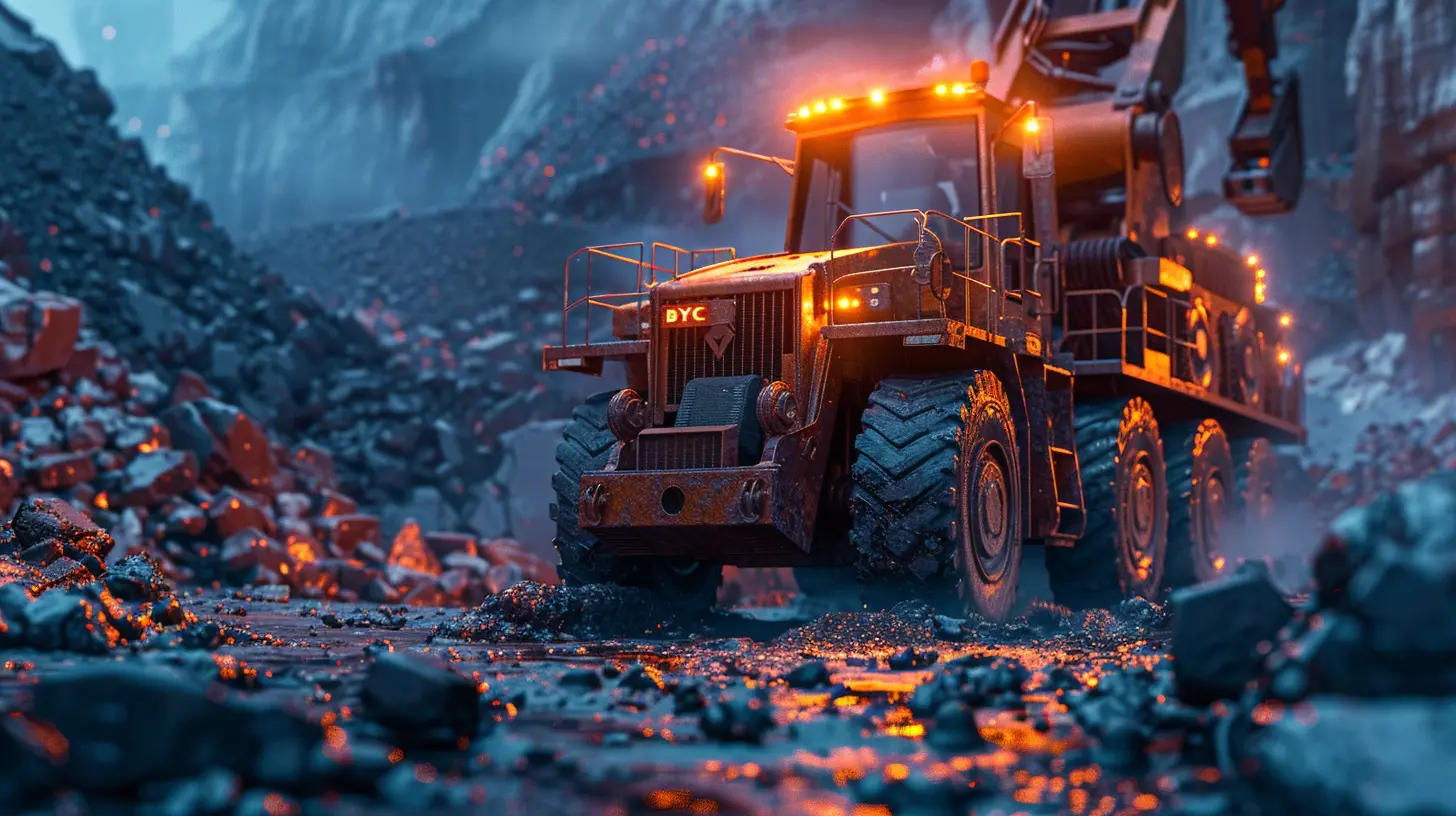
The Carbon Footprint of Crypto Mining
Alright, so we’ve established that crypto mining burns through electricity. But what’s that mean for the environment?It depends on where that electricity comes from.
If you're mining crypto in a place where electricity is generated by burning fossil fuels (coal, oil, natural gas), then every coin comes with a hefty carbon footprint. On the other hand, if mining operations are powered by wind, solar, or hydropower, the impact is significantly lower.
Unfortunately, a large portion of mining is still being done in countries dependent on coal and other dirty energy sources. In some areas, miners even flock to older, mothballed coal plants just to get cheap power.
So yeah, those digital coins? They’re not so clean after all.
Water Wastage and Heat Generation
Energy use isn’t the only issue. All that mining gear running hot 24/7? It generates intense heat.To stop equipment from frying, mining facilities need serious cooling systems — think industrial-grade air conditioners and even water-cooled racks. That means a lot of water is being used (and sometimes wasted) just to keep machines cool enough to function.
In some cases, mining farms have been linked to draining local water supplies or raising river temperatures when warm coolant water is returned to the ecosystem. Not exactly a great look.
E-Waste: The Hidden Crypto Problem
There’s another problem most people don’t think about: electronic waste.Mining hardware has a short lifespan. As tech improves, older models become obsolete. Miners constantly upgrade to remain competitive, leading to mountains of discarded electronics.
These aren’t just ordinary laptops — we’re talking about high-powered, specialized machines that are often difficult to recycle properly. They contain rare metals, toxic materials, and components that end up in landfills or, worse, are shipped off to developing countries without proper disposal protocols.
So much for “digital” currency being clean and efficient.
How Bad Is It Compared to Traditional Finance?
Good question! Some crypto fans argue that while Bitcoin’s energy use is high, it’s still less than the total footprint of traditional banking systems — including buildings, ATMs, data centers, currency printing, etc.There’s some truth to that, but comparing apples to oranges doesn’t always work. Traditional banking isn't great for the planet either, but crypto's promise was always to be better. Cleaner. Smarter.
And right now, that’s not exactly how it’s playing out.
The Shift Toward Greener Alternatives
So, is all hope lost?Not quite.
There are big moves being made to make crypto more eco-friendly. Some blockchains are shifting away from Proof of Work and adopting Proof of Stake (PoS) — a consensus mechanism that uses a tiny fraction of the energy.
Take Ethereum, for example. It transitioned to PoS in what's known as the Ethereum Merge. The result? A massive 99.95% reduction in energy use. That’s not just a baby step; that’s a giant leap for cryptokind.
Other alternative coins (like Cardano, Solana, and Algorand) have been using PoS from the start. Some are even carbon-negative — meaning they offset more emissions than they create.
Are Governments Stepping In?
You bet they are. With worries growing about both energy usage and climate change, several countries are cracking down on crypto mining.- China banned crypto mining entirely in 2021, citing environmental and financial concerns.
- Kazakhstan, which inherited many Chinese miners afterward, has imposed restrictions on power usage.
- New York State implemented a moratorium on new PoW mining operations that rely on fossil fuels.
More governments are starting to monitor crypto’s energy impact, and we're likely to see tighter regulations, carbon taxes, or even incentives for greener mining in the future.
Can Renewable Energy Save the Day?
Here's a bit of hope on the horizon: some mining companies are waking up to the green revolution.In places like Iceland and Canada, miners are tapping into abundant geothermal and hydropower energy to run their farms sustainably. There are even some operations in Texas that pair mining facilities with solar farms and use excess wind energy to stabilize the grid.
Sounds smart, right?
It is — but scaling that model globally is a challenge. Not every country has easy access to clean energy, and high setup costs can still deter smaller players. But hey, every great change starts somewhere.
Should You Be Worried About This?
Well, that depends on where you stand.If you’re an investor or crypto enthusiast, it’s worth paying attention. As ESG (Environmental, Social, Governance) values take center stage, coins with a dirty track record may lose luster. Companies that adopt green crypto practices might have the upper hand down the road.
If you care about the environment (and let’s be real, we all should), then yes — the current state of mining is a red flag. Supporting greener blockchains, asking tough questions, and pushing for change can go a long way.
Making a Greener Crypto Future
At the end of the day, cryptocurrency doesn’t have to be an environmental villain. It just needs to grow up a bit — like a teenager with too much energy and no sense of consequence.With the right mix of technology, regulation, market pressure, and innovation, crypto can clean up its act. We’ve seen it happen in other industries, from manufacturing to auto to even cloud computing. So, why not crypto?
As users, investors, and everyday people, our choices matter. Choosing sustainable platforms, advocating for transparency, and staying informed are small steps that can lead to big changes.
Final Thoughts
Cryptocurrency is here to stay, no doubt about that. But as we race toward a digital financial future, we can’t afford to ignore the real-world consequences of our online actions.Mining coins might be virtual, but the pollution isn’t.
If the crypto community wants to continue growing — and actually change the world for the better — it needs to invest in solutions that don’t cost the Earth.
Literally.
all images in this post were generated using AI tools
Category:
CryptocurrencyAuthor:

Audrey Bellamy
Discussion
rate this article
2 comments
Ivory Fuller
Cryptocurrency mining significantly harms the environment; urgent change needed.
March 28, 2026 at 5:54 AM
Audrey Bellamy
Thank you for your comment! We acknowledge the environmental concerns surrounding cryptocurrency mining and agree that urgent changes are necessary to mitigate its impact.
Caden Richardson
Important insights, thank you for sharing!
March 19, 2026 at 1:15 PM
Audrey Bellamy
Thank you for your feedback! I'm glad you found it insightful.