The Financial Pros and Cons of Living in a Tourist Destination
27 December 2025
Have you ever fantasized about waking up to the sound of waves crashing on a pristine beach or stepping outside to a breathtaking mountaintop view? Living in a tourist destination seems like the ultimate dream—until reality kicks in. Sure, it’s great being surrounded by vacation vibes, but have you considered what it does to your wallet?
Before you sell everything and move to that tropical paradise or historic city, let’s break down the financial pros and cons. You might be living in paradise, but is your bank account suffering in hell? 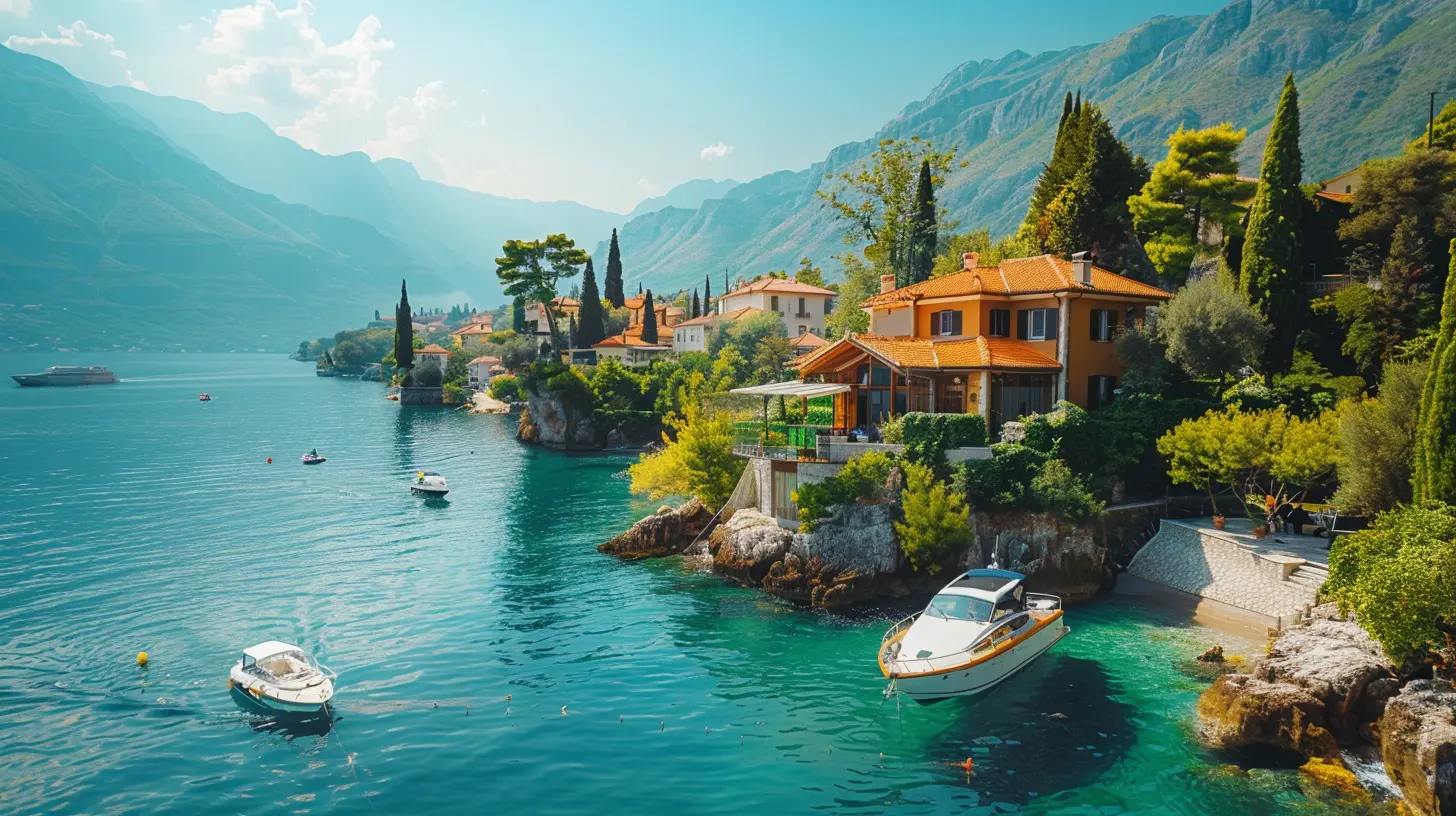
🏆 The Financial Pros of Living in a Tourist Destination

1. Job Opportunities Galore (If You Like Dealing with Tourists)
Tourist destinations thrive on visitors, meaning there’s no shortage of job opportunities in hospitality, entertainment, and retail. If you don’t mind serving margaritas with a smile or guiding lost tourists who can’t read maps, you’ll never be out of work!Even if you have a specialized skill, there’s demand for accountants, marketers, and even remote workers who want to sip coffee with a beach view while pretending to work.
2. High Potential for Rental Income
Got an extra room? Congratulations! You now own a gold mine. Airbnb and vacation rentals can bring in some serious cash. Tourists will pay top dollar for a place that offers an “authentic local experience”—even if that just means a tiny apartment with a slightly working fan.If you play your cards right, renting out your place during peak season can cover your living expenses for months. Just make sure you don’t end up couch-surfing in your own home because your rental income is too good to pass up!
3. Local Discounts & Perks
Many tourist hotspots offer discounts to locals. Whether it’s free entry to museums, cheap transportation, or discounts on food, being a resident can have its financial perks. You might find yourself paying a fraction of what tourists do for the same services (and silently laughing at them when they get overcharged).4. Networking with Wealthy Visitors
Living in a tourist destination means rubbing elbows with people who have money to burn. If you’re entrepreneurial, this is the perfect opportunity to make connections. Who knows? Your next business partner or investor might just be a sunburned millionaire sipping on a mojito at a local bar.
🚨 The Financial Cons of Living in a Tourist Destination
1. High Cost of Living (A.K.A. Tourist Pricing All Year Round)
Tourist hotspots aren’t just expensive for visitors—they can be ridiculously pricey for locals too. Restaurants, groceries, and even rent can be inflated because, hey, tourists will pay for it.You might go to buy a loaf of bread and find out it costs the same as an entire meal in a less touristy town. Suddenly, that dream of living in paradise starts to feel like financial exile.
2. Seasonal Income Fluctuations
While tourism can be a gold mine, it’s also unpredictable. Peak season means cash is flowing, but what happens during the off-season? Businesses often struggle, workers get laid off, and rental incomes dry up.If you don’t plan your finances well, you might go from making it rain in summer to surviving on instant noodles in winter.
3. Housing May Be Unaffordable
Want to buy a home in a tourist destination? Get ready to compete with wealthy investors and Airbnb landlords who are driving up prices. Many locals find it difficult to afford a decent place because everything is built for short-term rentals rather than long-term living.The dream of a beachfront condo quickly turns into the reality of a small, overpriced apartment with a view of the hotel parking lot.
4. Overcrowding & Limited Resources
Living in a beautiful place comes at a cost—crowds. Your once-quiet town becomes a human zoo during peak season. Groceries sell out, traffic is unbearable, and forget about getting a decent seat at your favorite coffee shop.Essential services, like hospitals and schools, can also become overcrowded, making it tough to get the resources you need without waiting in line behind a herd of tourists.
5. Tourism-Based Economy Can Be Fragile
One bad hurricane, a global pandemic, or even a drop in tourism trends can turn an economic paradise into a financial nightmare. If the region relies solely on tourism, a single crisis can tank businesses and leave many unemployed.It’s like putting all your eggs in one touristy basket—great until someone knocks over the whole thing. 
💰 Should You Live in a Tourist Destination?
So, is moving to a tourist hotspot worth it? It depends on how well you can handle the ups and downs. If you’re financially savvy, can take advantage of local perks, and don’t mind navigating through hordes of visitors, it can be a dream.But if you like affordable groceries, predictable income, and personal space, you might want to reconsider.
At the end of the day, living in a tourist destination is like dating a supermodel—amazing to look at, expensive to maintain, and sometimes way too crowded for comfort.
all images in this post were generated using AI tools
Category:
Cost Of LivingAuthor:

Audrey Bellamy
Discussion
rate this article
2 comments
Jemima McGrath
Intriguing perspective! How do local economies truly balance the benefits and drawbacks of tourism on finances?
January 26, 2026 at 5:11 AM
Audrey Bellamy
Thank you! Local economies often weigh tourism's financial boosts, like job creation and increased revenue, against challenges such as rising costs and infrastructure strain, seeking a sustainable balance that maximizes benefits while mitigating drawbacks.
Derek McHugh
While living in a tourist destination can boost short-term rental income, it's essential to consider the volatility and seasonality of such markets. Long-term residents may face inflated living costs and reduced community engagement, challenging the sustainability of a vibrant local economy.
December 29, 2025 at 4:44 AM
Audrey Bellamy
You raise a valid point. Balancing short-term rental income with community sustainability is crucial for long-term success in tourist destinations.