The Most Anticipated Fintech Startups Disrupting Personal Finance
25 November 2026
The world of personal finance is undergoing a transformation. As technology continues to advance, innovative startups are emerging, redefining how individuals manage their money. This article delves into some of the most anticipated fintech startups poised to disrupt the personal finance landscape, exploring their unique offerings and the implications for consumers.

What is Fintech?
Fintech, short for financial technology, encompasses a wide range of technology-driven solutions that improve and automate the delivery and use of financial services. From mobile banking to investment platforms, fintech companies leverage technology to enhance customer experiences and streamline processes.The Rise of Fintech in Personal Finance
The rapid growth of fintech can be attributed to several factors. Increased smartphone penetration, a preference for digital solutions, and a growing awareness of financial literacy have all contributed to this trend. Consumers are seeking more control over their finances and expect seamless, user-friendly solutions.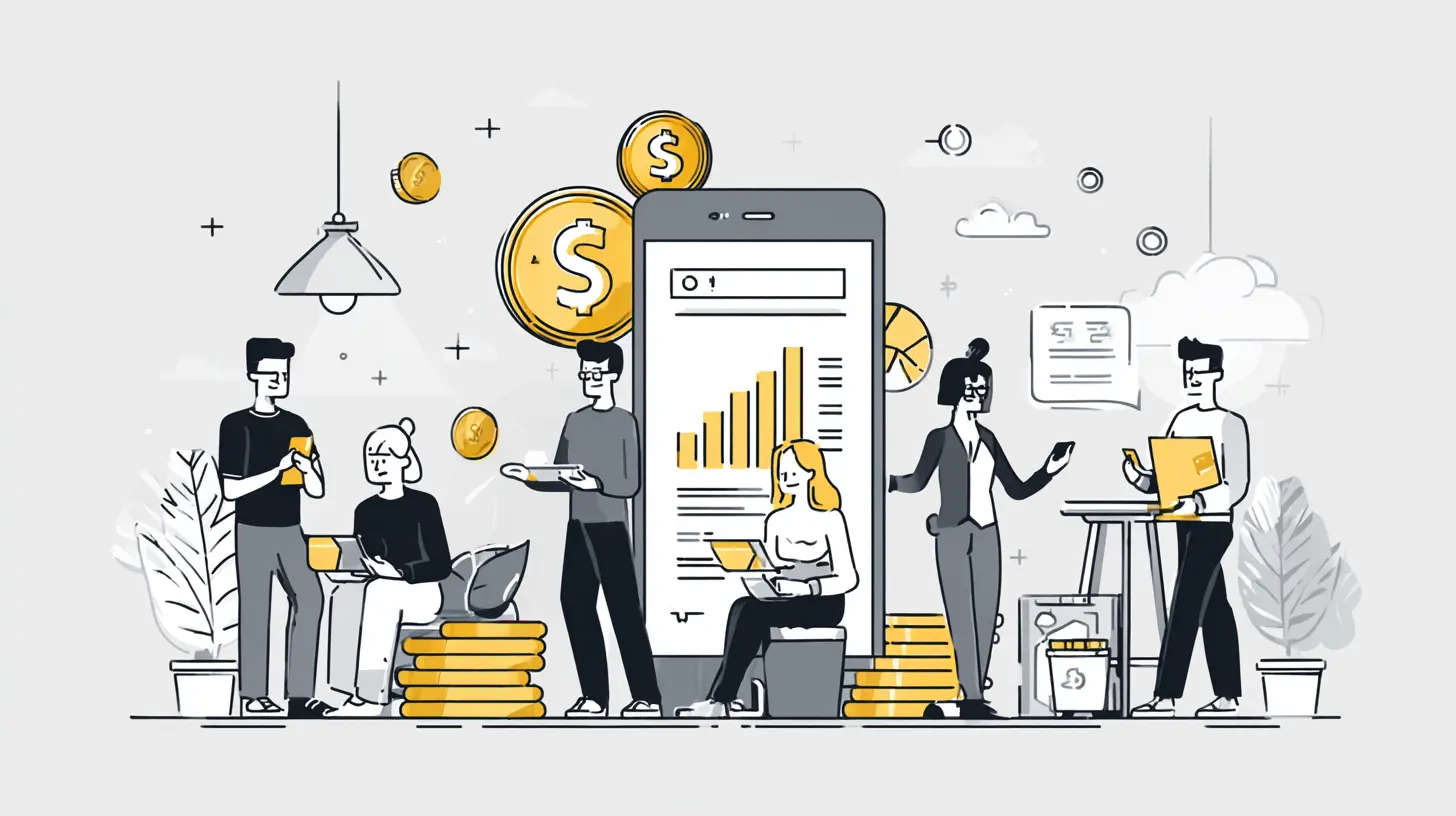
Key Players in the Fintech Space
In the crowded fintech arena, a few startups stand out for their innovative approaches to personal finance. Here are some anticipated players to watch.1. Chime
Chime is revolutionizing the banking experience with its no-fee structure and user-friendly app. Targeting millennials and Gen Z, Chime offers features like automatic savings and early direct deposit.Why It Works
Chime's appeal lies in its simplicity. By eliminating traditional banking fees, it allows users to save more. Its automatic savings feature encourages users to set aside money without even thinking about it. However, potential users should consider that Chime does not offer traditional banking services like physical branches or checks.2. Robinhood
Robinhood democratized the stock market by offering commission-free trading through its mobile app. This platform has attracted a younger audience eager to invest without the barriers typically associated with stock trading.Advantages and Concerns
The primary advantage of Robinhood is accessibility. Users can buy and sell stocks without worrying about fees, making investing more approachable. However, some critics argue that the app encourages speculative trading and may oversimplify the investing process. New investors must be mindful of the risks involved and consider whether they are adequately informed before making trades.3. Betterment
Betterment is a robo-advisor that offers personalized investment strategies based on individual financial goals. It uses algorithms to manage portfolios, making investing accessible and efficient.The Robo-Advisor Phenomenon
Robo-advisors like Betterment are gaining traction due to their low fees and ease of use. They provide an excellent option for those who may not have the time or expertise to manage their investments actively. However, users should be aware that while automation is beneficial, it may not account for sudden market shifts as effectively as a human advisor.4. Personal Capital
Personal Capital combines banking and investment tools to provide a comprehensive financial overview. Users can track their spending, investments, and retirement savings in one place.The Importance of Financial Insight
Personal Capital's holistic view of finances helps users make informed decisions. By aggregating various accounts, it encourages proactive financial management. However, users need to ensure they are comfortable with sharing sensitive information with the platform.
The Role of Artificial Intelligence in Fintech
Artificial intelligence (AI) is playing a crucial role in transforming personal finance. Many fintech startups utilize AI to enhance user experiences, improve security, and provide personalized recommendations.AI-Powered Budgeting Tools
AI-driven budgeting tools analyze spending patterns and offer tailored suggestions for saving. For instance, platforms like Mint and YNAB (You Need a Budget) provide insights based on user behavior. While these tools can be incredibly helpful, users must remain engaged and periodically reassess their budgets to adapt to changing circumstances.Fraud Detection and Security
AI is also paramount in enhancing security within fintech applications. By employing machine learning algorithms, fintech companies can quickly identify unusual transaction patterns, minimizing the risk of fraud. However, users should stay vigilant and regularly monitor their accounts for any discrepancies, regardless of the security measures in place.
The Importance of Financial Literacy
While fintech can offer revolutionary solutions, financial literacy remains paramount. Users must understand the tools they are using and the implications of their financial decisions.Common Misconceptions
One common misconception is that fintech tools can replace financial advisors entirely. While they can provide valuable insights, they lack the personalized touch and expertise that human advisors offer. Users should evaluate their financial situation and determine whether they need professional guidance, especially for complex financial decisions.Best Practices for Using Fintech Solutions
1. Set Clear Financial Goals: Determine what you want to achieve with your finances, whether it's saving for retirement, buying a home, or managing debt.2. Diversify Your Financial Tools: Use a combination of fintech solutions to cover different aspects of your finances, such as budgeting, saving, and investing.
3. Stay Informed: Regularly educate yourself about personal finance topics to make informed decisions.
4. Monitor Your Accounts: Even with automated tools, regularly reviewing your accounts helps catch errors and adjust strategies as needed.
The Future of Personal Finance
As technology continues to evolve, the personal finance landscape will likely see even more innovation. Emerging trends include:Blockchain and Cryptocurrencies
Blockchain technology has the potential to disrupt traditional financial systems. Fintech startups focusing on cryptocurrencies and decentralized finance are gaining traction, offering users alternative ways to manage their finances. However, the volatility associated with cryptocurrencies means users should approach these investments with caution.Enhanced User Experiences with UX Design
User experience (UX) design is critical in fintech. Startups that prioritize intuitive interfaces and seamless navigation are likely to attract and retain users. As competition increases, companies will need to innovate continually to stay relevant.Sustainability and Ethical Finance
Consumers are becoming more conscious of the social and environmental impact of their financial choices. Fintech startups that prioritize sustainability and ethical investing are likely to resonate with socially responsible consumers.
Conclusion
The fintech landscape is rapidly changing, with new startups offering innovative solutions to personal finance challenges. As these companies emerge, users must remain informed and engaged in their financial journeys. Understanding the advantages and limitations of various platforms will empower consumers to make better financial decisions.With the rise of fintech, the future of personal finance looks promising. By leveraging technology while maintaining a focus on financial literacy, individuals can navigate this evolving landscape effectively.
all images in this post were generated using AI tools
Category:
Personal Finance ToolsAuthor:

Audrey Bellamy