The Pros and Cons of Buying Gold Coins vs. Gold Bars
31 January 2026
Gold. It’s been trusted for thousands of years. Whether you're hedging against inflation, diversifying your investment, or just love the idea of owning a shiny chunk of wealth, gold has always been a go-to. But here’s the thing—when it comes to physical gold, you’ve got two main choices staring you in the face: gold coins or gold bars.
Now, you might think gold is gold, right? Well, not exactly. Coins and bars each come with their own perks and pitfalls. So, if you’re stuck trying to figure out what form of gold fits best in your treasure chest, sit back—we’re breaking it all down right here.
Why Invest in Physical Gold Anyway?
Before we pit coins against bars, let’s touch base on why people are still stacking gold in the age of crypto and high-flying stocks.Gold is the granddaddy of safe-haven assets. It doesn’t go bankrupt. It isn’t affected by interest rate changes like your savings account. And, while currencies rise and fall faster than TikTok trends, gold holds value.
That’s why people turn to gold when markets get shaky. It’s like putting your money in a vault that inflation can’t sneak into. But if you're going to get into physical gold, coin or bar, knowing the pros and cons is key.
Gold Coins: Portable Wealth with Personality
Gold coins aren't just miniature treasure; they're also highly sought-after investment pieces. Think American Eagles, Canadian Maple Leafs, or South African Krugerrands. These coins are minted by governments and often carry a face value—though their actual worth is typically based on the market price of gold.Pros of Buying Gold Coins
1. Easier to Sell
Coins are like the singles of the gold world. They're smaller, so if you need quick cash, you can sell a few coins without breaking your entire stash. Liquidity is king, and coins deliver.2. Widely Recognized
Major gold coins are known worldwide. That means they’re easy to authenticate and there's usually a buyer ready. Ever tried selling a random gold bar in a hurry? Not as simple.3. Government Backing
Minted coins are produced by recognized governments. That means guaranteed purity and weight. No second-guessing or shady dealers required.4. A Collector’s Dream
Some coins can carry numismatic value, especially limited editions or those with historical significance. That could mean your coin is worth more than just its gold content.5. Great for Beginners
If you're new to gold, coins are an easy entry point. You can start small, learn the ropes, and build your collection over time.Cons of Buying Gold Coins
1. Premiums Can Be High
You’re not just paying for gold—you’re paying for the design, minting, and maybe even collectability. That means a higher premium over spot price.2. Storage Can Get Bulky
Stashing 50 coins is a lot trickier than storing a couple of sleek bars. Sure, they’re small, but they add up—fast.3. Prone to Wear and Tear
Handling coins can cause scratches or dings. That might not sound like a big deal, but any damage can reduce resale value.
Gold Bars: Bulk Gold Without the Fluff
Gold bars—also called ingots or bullion—are typically produced by private mints or refineries. They come in a range of sizes, from 1 gram to 1 kilogram or more, but serious investors tend to lean toward the big boys: 1 oz, 10 oz, or 1 kilo.Pros of Buying Gold Bars
1. Lower Premiums
This is the big win for bars. They’re simpler to produce, so you usually pay less per ounce compared to coins. More gold, less markup.2. Efficient Storage
A few large bars take up way less space than dozens of coins. If you're investing heavily, bars help you consolidate value in a compact form.3. Perfect for High-Volume Investments
If you're serious about stacking serious gold, bars give you more weight for your dollar. They're the Costco option of precious metals—buy more, save more.4. Easier to Track Value
Since they don’t have collectibility or face value attached, bars are valued strictly on weight and purity. It keeps things simple.Cons of Buying Gold Bars
1. Harder to Liquidate in Small Batches
Need $2,000 fast? Selling a 1-kilo bar (worth about $60,000+) just to get quick cash isn’t ideal. You’d have to either sell the whole bar or find someone who wants a slice.2. Less Recognizable
While reputable mints like PAMP Suisse or Johnson Matthey are trusted, not every buyer is familiar with every mint. That can make reselling slower or require extra verification.3. Higher Security Risks
Larger value in one piece means a bigger target. One bar in the wrong hands is a major loss. You’ll need serious security to keep that gold safe.4. May Require Assay Verification
Some dealers might require a gold bar to be assayed—basically retested for purity—before buying. That adds cost and time to the selling process.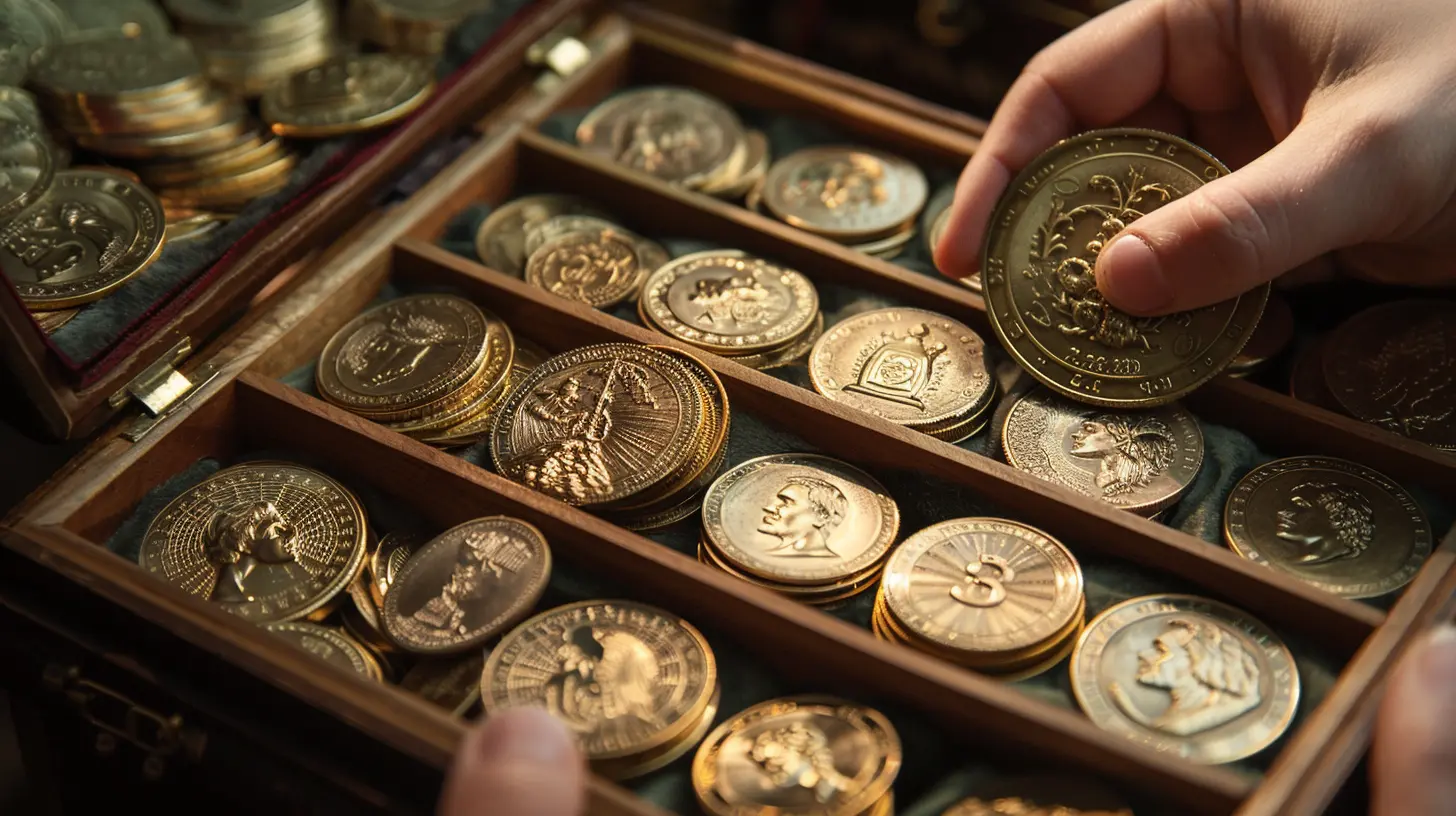
A Quick Comparison: Gold Coins vs. Gold Bars
| Feature | Gold Coins | Gold Bars ||----------------------|-------------------------------------|-------------------------------------|
| Liquidity | High (can sell small amounts) | Lower unless broken up |
| Premiums | Higher | Lower |
| Storage | Less efficient | More efficient |
| Recognition | Globally recognized | Depends on mint |
| Collector's Value | Potentially high | None |
| Security | Easier to secure in smaller stashes | High security needed for large bars |
| Beginner Friendly | Yes | Better for experienced investors |
So, Who Should Buy Gold Coins?
If you're just getting started, gold coins are usually your best bet. They’re like bite-sized pieces of wealth—flexible, familiar, and easy to offload. Also, if you're the type of person who enjoys collecting or loves a bit of history with your investment, coins add that extra flavor.They're also ideal if you're planning to make periodic, smaller investments over time. It’s like dollar-cost averaging, but in gold.
And Who Should Go for Gold Bars?
Gold bars shine for the serious stackers. If you’re investing large sums of money and want maximum gold for your dollar, bars are the way to go. They keep costs down, simplify storage, and are perfect if you're holding for the long term and don’t plan to sell off little by little.Just make sure you’ve got secure storage and a trusted dealer. And don’t forget—when it’s time to sell, moving one massive bar might require more patience and paperwork.
Mixing and Matching: Is That a Thing?
Absolutely. In fact, a hybrid approach can give you the best of both worlds. Use bars for bulk investment and coins for liquidity. That way, you're not stuck selling a huge bar just to pay a bill. It's like having a savings account and a checking account—but golden.Final Thoughts
Coins or bars—there’s no one-size-fits-all answer. It all comes down to your goals, how much you're investing, and how soon you might need to convert that gold back into cash.Here’s the thing: both coins and bars have real value. This isn’t Monopoly money. It's ancient wealth in modern form. As long as you’re making a smart, informed choice (and not just buying shiny things for the thrill of it), you'll be on solid ground.
Got room in your safe? Whether it’s a pocketful of coins or a hefty bar, investing in gold can be a golden move.
all images in this post were generated using AI tools
Category:
Gold InvestmentAuthor:

Audrey Bellamy
Discussion
rate this article
2 comments
Ashira McKale
Empower your investment choices! Understanding the nuances of gold coins versus bars can unlock your financial potential. Choose wisely!
February 23, 2026 at 3:21 AM
Audrey Bellamy
Thank you for your insightful comment! Understanding the differences between gold coins and bars is indeed crucial for making informed investment decisions. Happy investing!
Oriel Palmer
Great insights! I appreciate the balanced view on gold coins versus bars—both have unique benefits.
February 1, 2026 at 12:43 PM
Audrey Bellamy
Thank you! I'm glad you found the comparison helpful.