The Role of Commodities in a Diversified Portfolio
22 October 2026
Most people who own commodities don't know they own them. If you have a broad stock fund, a target-date retirement account, or really any diversified equity exposure, you probably hold shares in mining companies, energy producers, and agricultural businesses. That's not the same as owning commodities, though, and the difference matters more than most financial articles let on. Owning ExxonMobil is not the same as owning a barrel of oil. One is a business with management, debt, and a stock price that can do strange things; the other is a physical thing with a price set by supply and demand, weather, geopolitics, and the occasional shipping lane getting stuck.
This distinction sits at the heart of why commodities deserve a place in a diversified portfolio, and also why they get misused so often. Let's walk through the whole picture: what commodities actually are as an asset class, why they behave differently from stocks and bonds, how to own them sensibly, and where people trip up.
What Counts as a Commodity, and What Doesn't
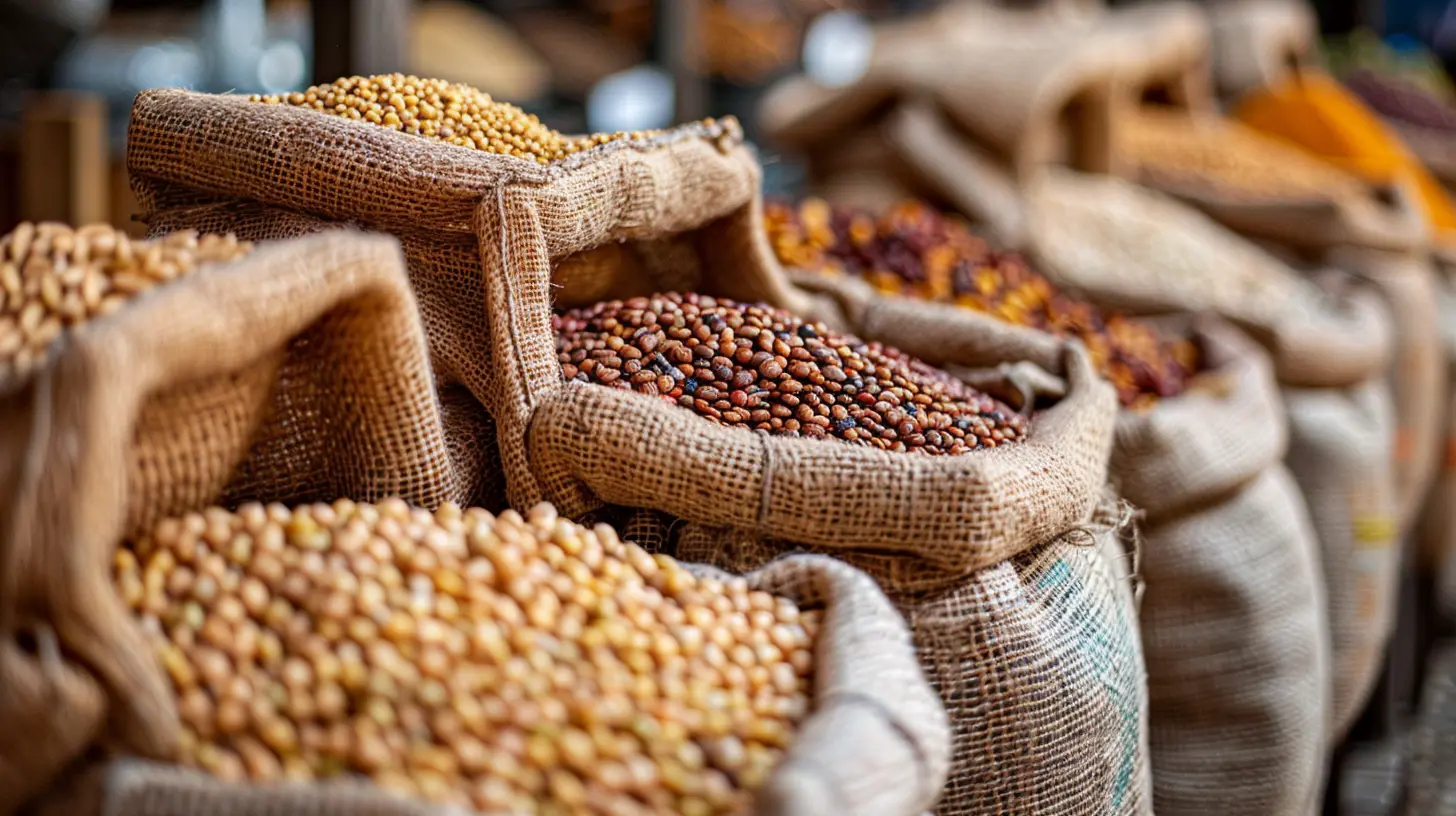
A commodity is a raw material or primary agricultural product that can be bought and sold, usually in bulk, where the thing you buy is largely interchangeable with the same thing from another seller. A barrel of West Texas Intermediate crude is a barrel of WTI crude, whoever pumped it. A bushel of number two yellow corn is a bushel of number two yellow corn. That fungibility is what makes a commodity a commodity rather than a product.The major families are:
- Energy: crude oil, natural gas, gasoline, heating oil.
- Metals: gold, silver, copper, aluminum, platinum, and industrial metals like zinc and nickel.
- Agriculture: corn, wheat, soybeans, coffee, sugar, cocoa, cotton, livestock.
- Softs and specialty items: things like orange juice and lumber, which trade in smaller, quirkier markets.
What does not count, for portfolio purposes, is the stock of a company that produces these things. A gold miner's share price depends on the gold price, sure, but also on management competence, debt levels, labor costs, and whether the mine is in a politically stable country. Miners give you leveraged exposure to the commodity plus a heap of business risk. That can be useful, but it's a different tool.

Why Commodities Behave Differently
The core argument for commodities in a portfolio is low or negative correlation with stocks and bonds over meaningful periods. Correlation is just a measure of how two things move relative to each other. When stocks zig, you want something that zags, or at least something that doesn't zig at the same time.Commodity prices are driven by forces that have little to do with corporate earnings or interest rates. A drought in Brazil moves soybean prices. A cold winter in Europe moves natural gas. A strike at a copper mine in Chile moves copper. A tanker getting stuck in a canal can move oil prices for weeks. These are physical, real-world events, and they don't care what the S&P 500 is doing.
The flip side is that commodities are volatile, sometimes brutally so. They don't pay dividends or interest. They can sit flat for a decade and then triple in two years. If you're used to the steady drip of bond coupons or the long-run upward drift of stocks, commodities can feel like owning a moody cat. That's the trade-off: you get diversification and inflation sensitivity, and you pay for it with volatility and no income.
There's also the inflation story. Commodities are inputs to production, so when inflation runs hot, commodity prices often rise with it. That makes them one of the few asset classes that tends to do reasonably well when consumer prices are climbing, which is precisely when bonds tend to suffer. Stocks can struggle too, because rising input costs squeeze margins. So commodities can act as a partial hedge against the kind of inflation that hurts everything else.
But here's the nuance most articles skip: this hedge is imperfect and lumpy. Commodities don't track inflation tick for tick. They can fall during inflationary periods if demand collapses, and they can rise during disinflation if supply gets disrupted. The relationship is real but loose. Treat commodities as a diversifier that sometimes helps with inflation, not as a precision inflation hedge. If you want a cleaner inflation hedge, Treasury Inflation-Protected Securities exist and do that job more directly.

The Three Ways to Own Commodities
This is where a lot of people get into trouble, because "buying commodities" means very different things depending on the vehicle.Physical ownership
You can buy actual bars of gold or silver, store them in a vault or a safe, and pay for insurance. For precious metals, this is straightforward and has a certain psychological appeal. For oil or corn, physical ownership is impractical for individuals. You'd need a tank farm or a grain silo. So physical ownership is really a precious metals story.The advantage is no counterparty risk and no fund fees. The disadvantage is storage costs, insurance, spreads when you buy and sell, and the hassle of securing the stuff. For most people, physical gold is a small slice of a portfolio at most, and often more about catastrophe insurance than portfolio construction.
Commodity futures and futures-based funds
This is how institutions get exposure, and it's how most commodity ETFs and mutual funds work. You don't buy oil; you buy a contract to receive oil at a future date, and you roll that contract forward as it approaches expiration.Here's the part that trips people up: futures-based commodity funds don't simply track the spot price. They track the spot price plus or minus the cost of rolling contracts, which depends on the shape of the futures curve. When the futures curve is in "contango," meaning later-dated contracts cost more than near-dated ones, rolling forward costs you money. This is called roll yield, and it can be negative for years in some markets. When the curve is in "backwardation," later contracts are cheaper, and rolling forward can actually add to returns.
The practical implication: two commodity funds tracking the same commodity can produce wildly different returns over a decade because of how they handle roll. A fund that rolls monthly into a steep contango market can bleed value even if the spot price is flat. Before buying any commodity fund, look at its methodology and its long-term tracking versus spot. This is the single most common mistake I see.
Commodity producer equities
Buying shares of miners, energy companies, and agricultural firms gives you exposure to the commodity via businesses. You get dividends sometimes, you get management that may add value, and you get leverage to commodity prices. But you also get business risk, and the correlation with the broad stock market is much higher than with the commodity itself. A gold miner will often fall in a stock market crash even if gold is rising, because investors are selling everything.So producer equities are not a clean substitute for commodity exposure. They're a hybrid. Useful in some contexts, but don't kid yourself that you've added a pure diversifier.
The Sizing Question
How much should commodities be in a portfolio? The honest answer is: less than most people think, and more than zero for some investors.Academic work and practitioner experience generally point to a modest allocation, often in the low single digits to around ten percent, depending on the rest of the portfolio and the investor's goals. The reason for the small size is that commodities are volatile, so a little goes a long way in terms of diversification benefit. A five percent allocation to a volatile, low-correlation asset can meaningfully change the risk profile of a portfolio without dominating returns.
But the right number depends on what you're trying to achieve:
- If you're a long-term stock and bond investor with a decades-long horizon, you may not need commodities at all. A globally diversified stock portfolio already contains producer companies, and your bond allocation provides ballast. Adding commodities is optional, not mandatory.
- If you're worried about inflation or you hold a lot of nominal bonds, a modest commodity sleeve can make sense as a partial offset.
- If you're running a more tactical or endowment-style portfolio, commodities can be part of a broader real-assets bucket alongside REITs, TIPS, and infrastructure.
The mistake is treating commodities as a return engine. Historically, commodities as an asset class have delivered returns roughly in line with inflation over very long periods, with huge swings along the way. They are not a wealth-compounding machine the way stocks have been. Their job is diversification and inflation sensitivity, not growth. If you're buying them expecting stock-like returns, you'll be disappointed and you'll probably sell at the wrong time.
When Commodities Help, and When They Don't
Commodities tend to shine in specific regimes:- Rising inflation, especially when driven by supply shocks or strong global demand.
- Geopolitical disruption, like wars or sanctions that affect oil, gas, or metals supply.
- Weak dollar environments, since most commodities are priced in dollars and a weaker dollar tends to support prices.
- Late-cycle economic booms, when demand for raw materials outpaces supply.
They tend to struggle when:
- Growth is slowing sharply, because demand for industrial commodities falls.
- The dollar is strong, which pressures prices.
- Rates are rising fast in a disinflationary environment, which raises the opportunity cost of holding non-yielding assets.
- Supply is abundant and inventories are high, which can cap prices for years.
This is why timing matters more with commodities than with stocks. Stocks have a long-run upward drift that bails out patient investors. Commodities don't have that same tailwind. Buying at the top of a commodity cycle can mean a decade of flat or negative returns. That's not a reason to avoid the asset class, but it is a reason to size it modestly and rebalance mechanically rather than chase momentum.
Common Mistakes and Misconceptions
Let me run through the ones I see most often.Mistake one: confusing commodities with commodity stocks. As covered above, these are different exposures. A portfolio full of miners is not a diversified commodity allocation.
Mistake two: ignoring roll costs. A fund's expense ratio is not the whole cost. Roll yield can be a much bigger drag, and it's invisible unless you look for it.
Mistake three: chasing performance. Commodities are one of the most performance-chased asset classes. People pile in after a big run, right before the cycle turns. The disciplined approach is to set a target allocation and rebalance, which forces you to sell after rallies and buy after declines.
Mistake four: treating gold as the whole asset class. Gold is a monetary metal with a unique role, but it's not representative of commodities broadly. An allocation to gold alone is not the same as an allocation to energy, metals, and agriculture.
Mistake five: expecting a perfect inflation hedge. As noted, the relationship is loose. Commodities help, but they don't guarantee protection.
Mistake six: over-sizing. Because commodities are volatile and have no income, a large allocation can wreck a portfolio's risk budget. Keep it modest.
Practical Implementation Notes
If you decide commodities belong in your portfolio, a few practical points:- Use broad, low-cost funds rather than single-commodity bets, unless you have a specific thesis and the conviction to back it.
- Understand the fund's roll methodology. Some funds use optimized roll schedules to reduce contango drag. Read the prospectus.
- Rebalance on a schedule. Annual or threshold-based rebalancing keeps the allocation from drifting and enforces disciplined buying and selling.
- Consider tax location. In many jurisdictions, commodity futures funds are taxed less favorably than equities, so holding them in tax-advantaged accounts can make sense where available.
- Don't neglect the rest of the portfolio. Commodities are one tool among many. TIPS, REITs, and international stocks all play roles in diversification, and the right mix depends on your goals.
The Bottom Line
Commodities are a legitimate, useful, and frequently misunderstood asset class. They offer genuine diversification because their prices are driven by physical supply and demand rather than by corporate earnings or interest rates. They can help when inflation runs hot and when geopolitical shocks hit. But they are volatile, they don't compound the way stocks do, and the vehicles used to own them carry hidden costs that can quietly erode returns.For most investors, the sensible approach is a modest allocation, held through a low-cost, well-understood fund, rebalanced mechanically, and sized so that a bad decade for commodities won't derail your plan. For some investors, especially those with long horizons and globally diversified stock portfolios, skipping commodities entirely is a perfectly defensible choice. The key is to make that choice deliberately, understanding what you're giving up and what you're avoiding, rather than defaulting to whatever the last hot take said.
Commodities aren't magic. They're just a different engine, running on different fuel, and that's exactly why they can be worth having in the garage.
all images in this post were generated using AI tools
Category:
Diversification StrategyAuthor:

Audrey Bellamy