Using Offshore Accounts to Simplify Cross-Border Investments
4 August 2026
Let’s be honest—investing globally sounds like a dream, right? You're sipping coffee in New York while your money is hard at work in Singapore, Brazil, or Switzerland. But when it comes to actually putting your money where your mouth is (or, in this case, where that sweet ROI is), things can get messy. Different regulations, currencies, tax laws, and banking systems can turn your simple investment idea into a frustrating maze.
That’s where offshore accounts come in. They’re like your financial Swiss Army knife for cross-border investments. For many investors—both individuals and businesses—they’re not just a luxury, they’re a necessity for managing international assets efficiently.
So, grab a cuppa, sit back, and let’s unravel the world of offshore accounts and how they can seriously simplify your global investment game.
What Exactly Is an Offshore Account?
Let’s start with the basics. An offshore account is just a bank account that you open outside of your country of residence. So, if you live in the U.S. and have an account in the Cayman Islands, that’s offshore.Now, don’t let the movies fool you—offshore doesn’t automatically mean shady or illegal. It simply refers to the location of the financial institution. In fact, tons of legitimate investors and businesses use offshore accounts for managing international transactions, protecting assets, and yes—simplifying those pesky cross-border investments.
Why Offshore Accounts Make Sense for Global Investors
You might be wondering, “Why not just use my regular bank account?” Fair question. But if you’re playing in international waters, there are some big perks to going offshore.1. Multi-Currency Capabilities
Ever had to convert funds from euros to dollars, then to pounds? It’s like playing a financial version of hot potato—with fees flying at you from every direction.Offshore accounts often come with multi-currency features. You can hold, exchange, and transact in different currencies without constantly converting your money and losing value to poor exchange rates or high fees.
2. Streamlined International Transactions
If you're investing in foreign stocks, real estate, or even startups, your money needs to move fast. Offshore accounts let you pay and receive funds internationally with fewer hiccups. They're like express checkout lines for your finances.3. Asset Protection
Let’s face it—your home country might have a few financial ups and downs now and then. Offshore accounts can serve as a safety net. They’re like a fireproof safe for your investments, shielding your funds from local economic or political instability.4. Tax Efficiency (When Done Right)
And here’s the million-dollar question: “Is this about paying fewer taxes?”Well, not exactly. Offshore accounts aren't a way to dodge taxes—but they can help you structure your investments more efficiently. Certain jurisdictions offer favorable tax treatments, allowing you to minimize double taxation and make the most of tax treaties.
Just be sure you’re being transparent and staying on the right side of the law. Tax evasion? Big no-no. Tax optimization? Smart move.
Who Should Consider Using Offshore Accounts?
Offshore accounts aren’t just for secretive billionaires or Bond villains (though they'd probably have one too). They’re practical for a ton of different investors and situations.→ Expats
Living in one country, earning in another, investing in a third? Offshore accounts help you bridge those gaps.→ High-Net-Worth Individuals
Managing wealth across countries is complicated. Offshore accounts offer more flexibility and privacy, making them ideal for the wealthy looking to protect and grow their global assets.→ International Businesses
Selling products or services in multiple countries? Offshore banking can help you manage revenues, pay foreign employees, and handle cross-border transactions more efficiently.→ Digital Nomads and Freelancers
If your clients are global, your finances should be too. Offshore accounts can help you dodge currency headaches and get paid faster.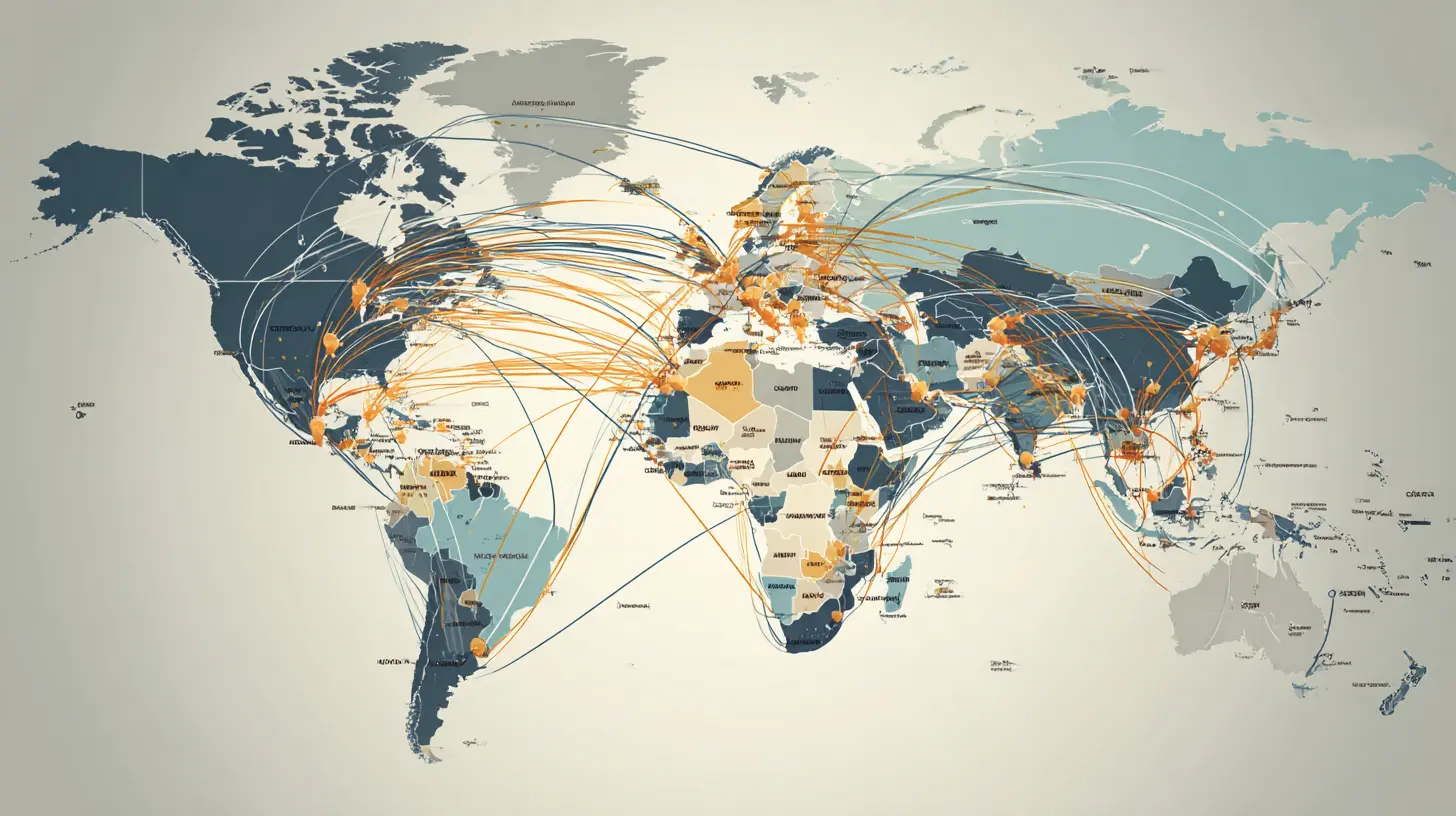
How to Open an Offshore Account (It’s Easier Than You Think)
Now you're probably thinking, “Alright, I’m interested—but how do I even start?”Here’s the good news. Opening an offshore account isn’t as daunting as it sounds. You’ll just need to tick a few boxes.
Step 1: Choose the Right Jurisdiction
Different countries offer different benefits. Some are tax havens, others are focused on banking privacy, and some are great for specific industries. Popular jurisdictions include:- Switzerland (for privacy and stability)
- Singapore (for innovation and strong regulation)
- Cayman Islands (for tax benefits)
- Luxembourg (for fund management)
Pick what aligns with your goals.
Step 2: Gather Your Documents
You’ll typically need:- A valid passport or government-issued ID
- Proof of address (like a utility bill or bank statement)
- Reference letters or proof of income (some banks require this)
Step 3: Work with a Reputable Provider
There are lots of professional services that specialize in offshore banking and investing. They can guide you through the process, help you stay compliant with international laws, and tailor everything to your needs.Step 4: Link It to Your Investment Strategy
Once you’ve got your account, use it! Tie it into your investment strategy by using it to buy foreign assets, collect rental income from overseas property, or hold dividends from international stocks.Myths About Offshore Accounts (Debunked)
Okay, let's address the elephant in the room. Offshore banking has a bit of a reputation—and not always a good one. Let's bust some myths.❌ Myth #1: Offshore Accounts Are Illegal
Nope. Opening an offshore account is 100% legal. It’s how you use it (or abuse it) that can land you in hot water. The key is transparency and compliance.❌ Myth #2: Only the Rich Can Do It
Sure, wealthy folks use offshore accounts, but they’re not the only ones. Many banks have accounts starting at just a few thousand dollars minimum. Some even less.❌ Myth #3: They’re Only for Hiding Money
Old stereotype. Offshore accounts are primarily used for convenience, diversification, and international investing. If you're looking to hide money, you're not investing—you're running from the law.The Risks You Should Know About
With great power comes great responsibility, right?Offshore accounts can be game-changers, but they’re not risk-free. Here are a few things to watch for:
⚠️ Regulations Can Change
Governments crack down on offshore investments from time to time. What’s legal and advantageous today could be restricted or taxed tomorrow.⚠️ Currency Fluctuation
Holding multiple currencies? Be mindful of exchange rate volatility. That can impact the value of your holdings.⚠️ Hidden Fees
Some offshore banks have sneaky fees for maintenance, transfers, or currency conversions. Read the fine print to avoid nasty surprises.Best Practices for Using Offshore Accounts for Cross-Border Investments
Putting theory into practice always works better with a few pro tips. Here you go:✅ Stay Compliant
Always report offshore accounts to your home tax authority if required (like with the IRS in the U.S.). Use these tools legally and wisely.✅ Diversify
Don’t put all your eggs in one offshore basket. Spread your funds across investments and jurisdictions to reduce risk.✅ Use Asset Holding Companies
Holding investments via offshore companies (like LLCs or trusts) can optimize tax benefits and offer an added layer of protection.✅ Work with Professionals
Seriously—this one’s important. Tax experts, international lawyers, and financial planners will help you avoid costly mistakes.Real-Life Example: Offshore Investing Made Simple
Let’s say Sarah, a freelance graphic designer based in Canada, is earning in USD from U.S. clients and wants to invest in a startup based in Germany.Her local bank charges huge fees and poor exchange rates. So she opens an offshore multi-currency account in Singapore. Now, she can:
- Receive USD payments without immediate conversion
- Convert her money to euros at better rates
- Seamlessly invest in the German startup
- Reinvest returns or move them into other global opportunities
That, my friend, is the magic of offshore accounts.
Final Thoughts
Using offshore accounts to simplify cross-border investments isn’t just a luxury move—it’s a smart strategy. In a world where money is more mobile than ever, your investment plan should be too.Whether you’re an expat, entrepreneur, or just someone looking to dip a toe into international waters, offshore accounts can help you cut through the clutter, reduce friction, and grow your wealth from anywhere.
Remember: the goal isn’t to hide or dodge—it’s to organize and optimize. Offshore accounts are tools. Like any tool, it’s how you use them that counts.
Happy investing!
all images in this post were generated using AI tools
Category:
Offshore AccountsAuthor:

Audrey Bellamy
Discussion
rate this article
1 comments
Remi McKinney
Offshore accounts can streamline investing across borders, but weigh the risks carefully.
August 5, 2026 at 5:02 AM
Audrey Bellamy
You're right. While offshore accounts can offer benefits, it's crucial to consider the legal and financial risks involved before proceeding.