What the Next Decade Holds for Your Digital Financial Life
20 October 2026
Your money is quietly moving house. It used to live in a leather wallet, a shoebox of receipts, and a bank branch with a tired carpet. Now it lives in apps, QR codes, subscription buttons, and a dozen passwords you keep meaning to organize. The next ten years will push that shift much further, and the winners will be the people who understand what is actually changing versus what is just clever marketing.
This is not a prediction piece full of flying cars and robot bankers. It is a practical look at where your digital financial life is heading, why it is heading there, and how to position yourself so the changes work for you instead of happening to you.

The Big Shift: From Products to Plumbing
For most of modern banking history, you bought products. A savings account here, a mortgage there, a credit card from whoever offered the best toaster. The next decade flips this. Financial services are becoming plumbing: invisible infrastructure that moves money, data, and decisions around in the background.You can already see it. When you tap your phone at a coffee shop, several systems cooperate in under a second. When a budgeting app reads your transactions, it is using open banking rules that force banks to share your data with your permission. When a lender approves a loan in ninety seconds, an algorithm did the underwriting.
Why does this matter to you? Because when finance becomes plumbing, the value moves from the pipes to the person who controls the tap. Your leverage as a customer shifts from loyalty to a single bank toward choosing the best combination of tools and switching when something better appears.
The practical consequence is that brand loyalty will cost you more than ever. A customer who has stayed with the same high street bank for twenty years is now, on average, likely to earn less on savings and pay more on borrowing than a serial switcher. The next decade will reward the mildly disloyal.

Your Data Will Become Your Credit Score's Best Friend
Traditional credit scoring is a blunt instrument. It rewards people who already borrow and punishes people who do not, even if those people are financially responsible. It struggles with freelancers, newcomers to a country, and anyone whose income does not fit a tidy monthly pattern.The next decade will see much richer assessment. Lenders are already experimenting with transaction data, rental payment history, and income verification through bank connections rather than payslips. In some markets, utility payments and even subscription consistency feed into scoring models.
The upside is real. If you are self-employed and have been rejected for a mortgage because your income looks lumpy on paper, richer data may finally work in your favor. If you are young with no credit history but a perfect record of paying rent and phone bills, you may get access to credit that used to be closed to you.
The downside is equally real. Every financial behavior becomes legible. A late payment on a buy now, pay later plan, a bounced direct debit, a gambling transaction at 2am. These signals may follow you in ways that are hard to see and harder to dispute.
What should you do about it? Treat your transaction history as a financial resume. Keep direct debits funded, avoid casual late payments on small credit products, and periodically request your data from the major credit reference agencies to check for errors. If you are in a market with open banking, use apps that let you see what data is being shared and revoke access when you no longer need a service.
One common misconception: people assume that simply using a budgeting app improves their credit score. It does not, unless the app is also reporting data to lenders or helping you change behavior that lenders observe. Visibility is not the same as improvement.
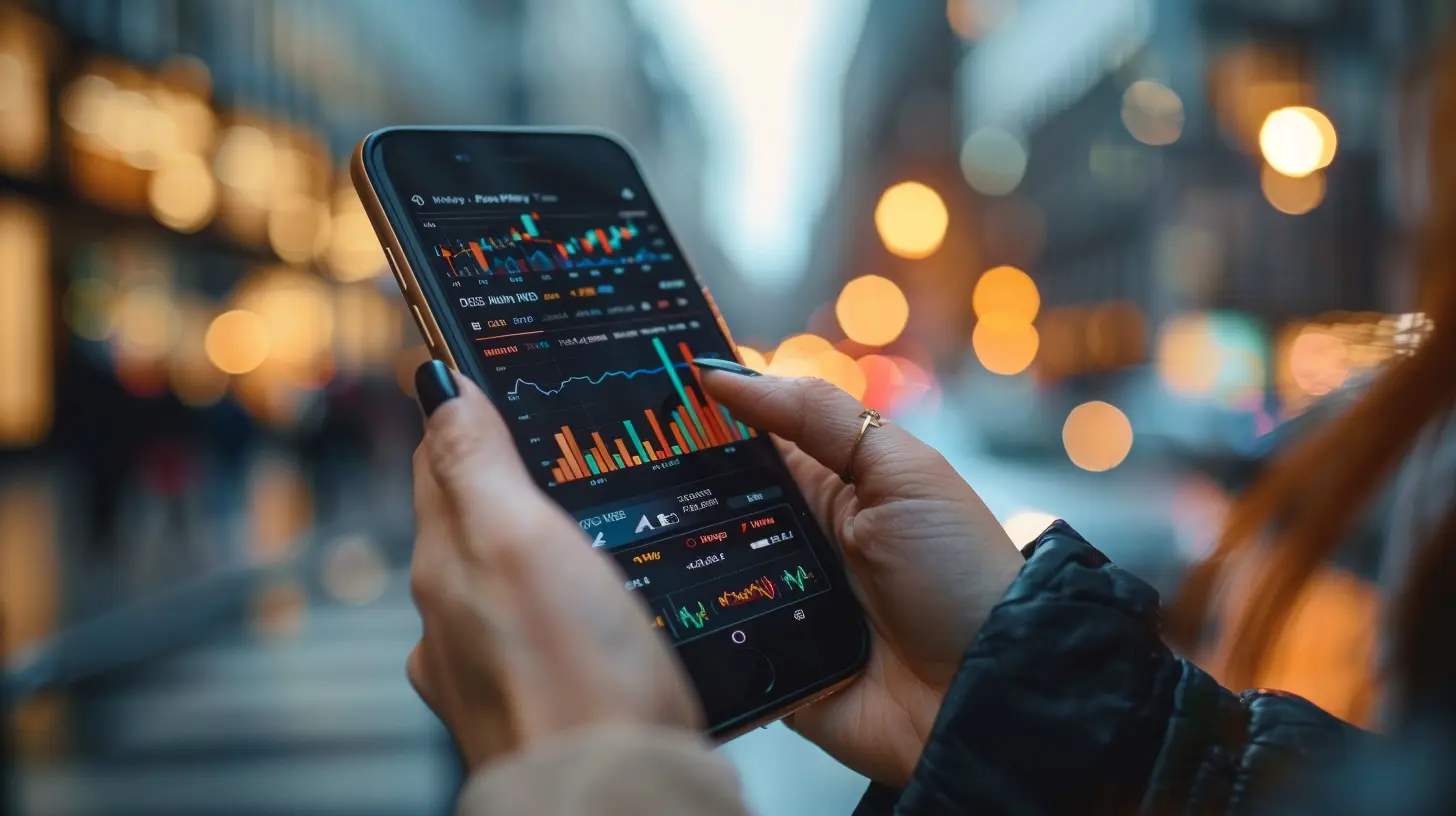
Payments Will Keep Disappearing Into the Background
The direction of travel in payments is toward fewer deliberate actions. Cards were already a step away from cash. Contactless was a step away from cards. The next step is paying without thinking about paying at all.Expect three trends to accelerate.
First, account to account payments will eat into card usage. Systems that let you pay a merchant directly from your bank account are getting faster and cheaper, and merchants love them because card fees hurt. The trade-off for you is weaker consumer protection in some cases. Card payments often come with chargeback rights and stronger fraud guarantees. Before you switch to a cheaper direct payment method, check what happens if the merchant never delivers.
Second, subscriptions and embedded payments will multiply. Your car may pay for charging automatically. Your fridge may reorder groceries. Your software may bill you in tiny increments. Convenience rises, but so does the risk of invisible spending. The single most useful habit of the next decade will be a monthly audit of recurring charges. People routinely underestimate this. A few pounds or dollars here and there adds up to a serious annual figure.
Third, biometric and device based authentication will become the default. Fingerprints and face recognition are already normal. The next wave ties payments to the device itself, so your phone becomes a kind of financial identity. That is convenient until you lose the phone, which is why account recovery processes deserve more attention than most people give them. Set them up properly before you need them.

The Rise of the Super App and the Countertrend
One camp believes the future is a single super app where you bank, invest, insure, and budget in one place. The logic is compelling: fewer passwords, one view of your money, integrated offers.The other camp believes the future is modular. You use a specialist for each job: one app for budgeting, one broker for investing, one lender for credit, one insurer for cover. The logic here is also compelling: specialists tend to be better at their specific job, and you avoid the lock-in that super apps quietly encourage.
My read is that both will coexist, and the right answer depends on your temperament. If you struggle to keep track of your finances, a super app that consolidates everything may genuinely help, even if each individual product is mediocre. If you are organized and cost conscious, you will usually get better value from specialists.
The mistake to avoid is assuming that convenience is free. Super apps often monetize through product recommendations and cross selling. That does not make them evil, but it does mean the app's incentives are not perfectly aligned with yours. When a platform nudges you toward its own savings product, ask whether the rate is actually competitive before you accept the default.
Artificial Intelligence: The Honest Version
Every financial app will claim to use artificial intelligence. Most will be using it for customer support chatbots and fraud detection, which is genuinely useful. The interesting changes will be subtler.On the helpful side, expect proactive nudges. Not generic alerts, but specific ones: your energy bill is higher than usual, your subscription renewal is coming up, you could save by moving this balance. Expect better fraud detection that catches suspicious patterns before you do. Expect tools that turn a wall of transactions into plain language summaries.
On the risky side, expect persuasion to get sharper. Personalized offers will be timed to moments when you are most receptive. Gamified investing interfaces will make trading feel like a game, which is exactly the wrong frame for long term money. And there will be a wave of products that look like advice but are really sales.
The key distinction to hold onto is between tools that help you execute your own plan and tools that make decisions for you. A budgeting app that shows you where your money went is a tool. An app that moves your money into an investment because it decided you had spare cash is making a decision that should be yours, or at least clearly disclosed.
Here is a practical rule. If a service is free and does not show you exactly how it makes money, you are probably the product. That is not automatically a reason to refuse, but it is a reason to read the terms and check what data you are sharing.
Regulation Will Change the Rules, Slowly and Unevenly
Financial regulation moves at the speed of committees, but it does move. Over the next decade, expect more rules on data portability, clearer disclosure on buy now, pay later products, tighter rules on crypto marketing, and stronger protections around scam reimbursement in some markets.The practical implication is that your rights will vary enormously depending on where you live. Two people using identical apps in different countries can have very different protections if something goes wrong. If you are an expat or you use providers based abroad, check which regulator covers you before you need to complain. This is one of the most common mistakes people make with digital finance: they assume the app's home country rules apply to them. Often they do not.
Regulation also creates opportunities. When rules force banks to open up data, new services appear. When fee caps arrive, prices fall. Keeping half an eye on regulatory changes in your market is boring but genuinely profitable.
Security: The Threat Model Most People Get Wrong
Most people worry about the wrong things. They worry about a hacker guessing their password. In reality, the most common ways people lose money digitally are scams they authorize themselves: fake investment platforms, romance scams, invoice fraud, and impersonation of banks or delivery companies.The next decade will make this harder because synthetic media will make impersonation more convincing. Voice cloning is already good enough to fool a family member in a short call. Video is catching up. This does not mean you should live in fear, but it does mean you need a family verification code or a pre agreed question for any urgent money request, no matter how legitimate the voice sounds.
Practical defenses that actually work:
- Use a password manager and unique passwords everywhere. Reused passwords are still the single biggest gift you can give an attacker.
- Turn on two factor authentication, and prefer app based or hardware keys over SMS where possible. SMS can be intercepted through SIM swap fraud.
- Slow down. Almost every scam relies on urgency. A genuine bank, tax office, or police force will not demand immediate action in a way that prevents you from calling back on a number you looked up yourself.
- Set up transaction alerts for any payment above a threshold you choose. Early warning matters more than perfect prevention.
- Keep a small "burner" account for online purchases, funded only with what you need. If the details leak, the damage is capped.
Investing Will Become More Accessible and More Dangerous
Access has improved dramatically and will continue to. Fractional shares, low cost index funds, and commission free platforms mean a beginner can start with very little. That is genuinely good.The danger is that accessibility without education produces behavior that damages returns. Frequent trading, chasing trends, and treating investing like entertainment are reliable ways to underperform. The evidence on this is consistent across markets and decades: costs and behavior, not stock picking skill, explain most of the gap between average investor returns and market returns.
So what should you actually do? Decide on an allocation you can hold through a bad year, automate contributions, and then leave it alone. Use the flashy features of new platforms for research and convenience, not for excitement. If an app's design makes you want to check it daily, that is a warning sign, not a feature.
One nuance worth understanding: lower fees matter enormously over long periods, but the cheapest option is not always the best. A slightly more expensive platform with better customer service, clearer reporting, and stronger regulatory protection can be worth the difference. Compare total cost of ownership, not headline fees.
The Uncomfortable Truth About Convenience
Every convenience has a price, and the price is usually attention or data. Paying by phone is faster than paying by card, but it also generates more behavioral data. A subscription is easier than a manual renewal, but it also makes it easier to forget. A robo advisor is simpler than building a portfolio, but it also makes it easier to stop paying attention to your own money.The people who will do best over the next decade are not the ones who adopt every new tool. They are the ones who adopt tools deliberately and keep a simple, boring core: an emergency fund, automatic saving, diversified low cost investments, adequate insurance, and a clear plan for debt. Everything else is optional garnish.
A Practical Checklist for the Next Ten Years
Here is what I would actually do, in rough order of impact.1. Build a one page map of your financial life: accounts, logins, recurring payments, and who to contact if something goes wrong. Update it twice a year.
2. Automate the boring good behaviors: savings transfers on payday, bill payments, and investment contributions.
3. Audit subscriptions quarterly. Cancel anything you cannot justify in one sentence.
4. Check your credit reports annually and dispute errors. In markets with open banking, review which apps have access to your data.
5. Set up strong authentication and a family verification phrase for urgent money requests.
6. Keep a small dedicated account for online spending.
7. Read the fee schedule of any new financial product before you sign up. If you cannot find it in two minutes, that tells you something.
8. Review your insurance and emergency fund once a year. These are the unglamorous foundations that make everything else survivable.
Final Thought
The next decade of digital finance will be defined less by new inventions and more by the spread of existing ones into every corner of your life. Payments will fade into the background, data will become the currency of credit, artificial intelligence will get better at both helping and persuading, and regulation will lag behind innovation as it always does.None of this requires you to become a technologist. It requires you to be deliberate. Understand what a tool is really for, know how it makes money, keep your foundations solid, and stay skeptical of anything that promises to make money effortless. Money has never been effortless, and the apps that suggest otherwise are usually selling something.
all images in this post were generated using AI tools
Category:
Personal Finance ToolsAuthor:

Audrey Bellamy