Investing in Gold Jewelry: Is It a Smart Financial Move?
1 July 2026
You’ve probably heard someone—maybe your grandma, your auntie, or even your best friend—say, “Gold never goes out of style!” And let’s be honest, they’re kind of right. Whether it’s a glimmering necklace tucked under your shirt or a chunky bracelet making a bold statement, gold jewelry always seems to hold its own in fashion... and maybe in finance, too?
But let’s not get ahead of ourselves.
If you’ve ever wondered whether investing in gold jewelry is a smart financial move, you’re definitely not alone. It sounds kinda glamorous, right? You get to wear your investment while its value potentially goes up. What’s not to love?
Well, there’s more to it than just flashy stuff and shiny dreams. So let’s dive into the sparkly world of gold jewelry investing—and see if it’s really the golden ticket to growing your wealth.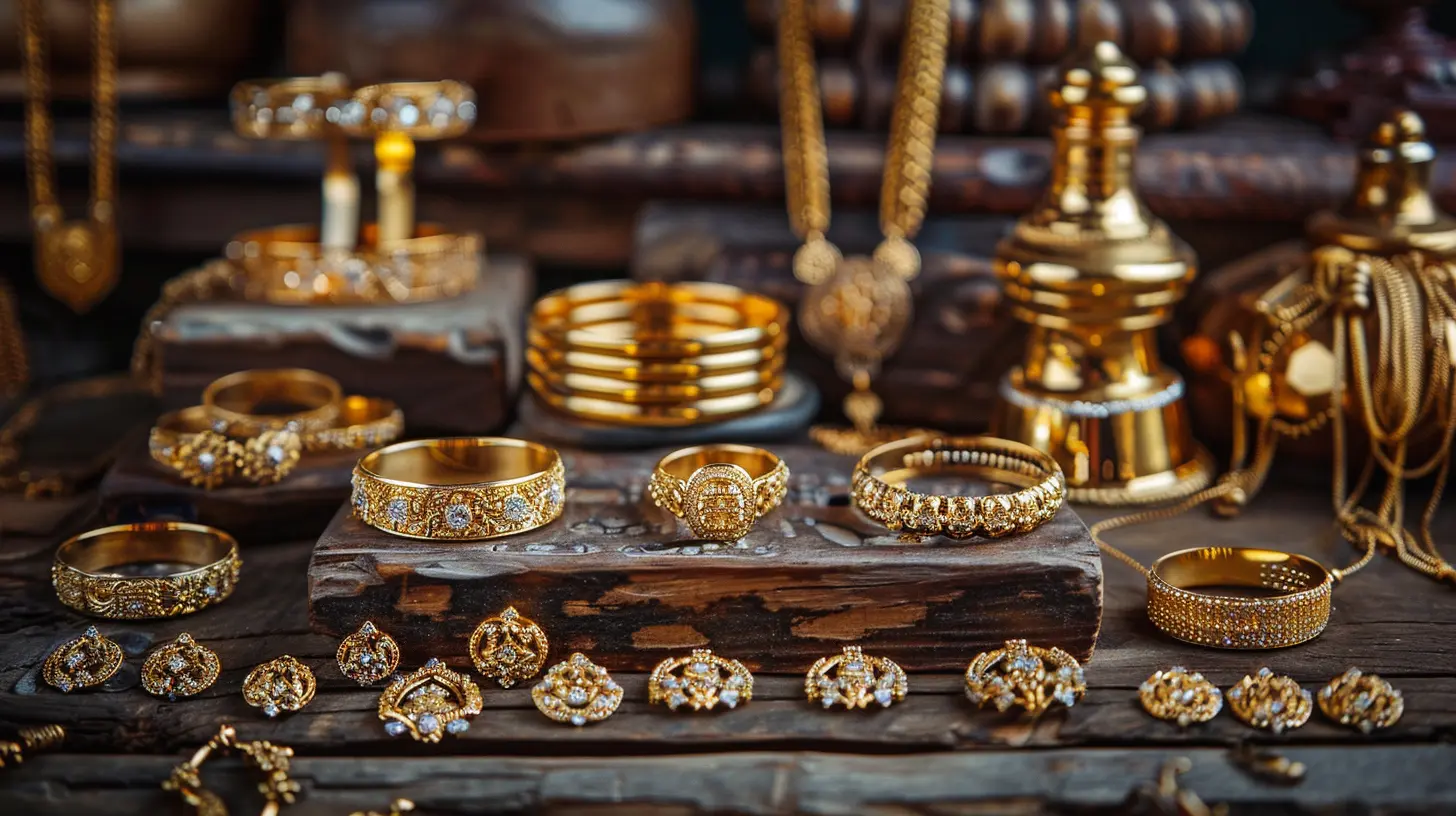
What Makes Gold So Special Anyway?
Gold has been a part of human culture for thousands of years. Seriously, ancient civilizations were obsessed with it. And today? Not much has changed.Why? Because gold checks a lot of boxes:
- It's rare.
- It doesn't rust or tarnish.
- It holds a universal appeal (from India to Italy).
- And it’s been historically used as a store of value.
Unlike paper money, which can be printed or inflated into oblivion, gold has what investors call "intrinsic value." In simple terms? It’s the real deal.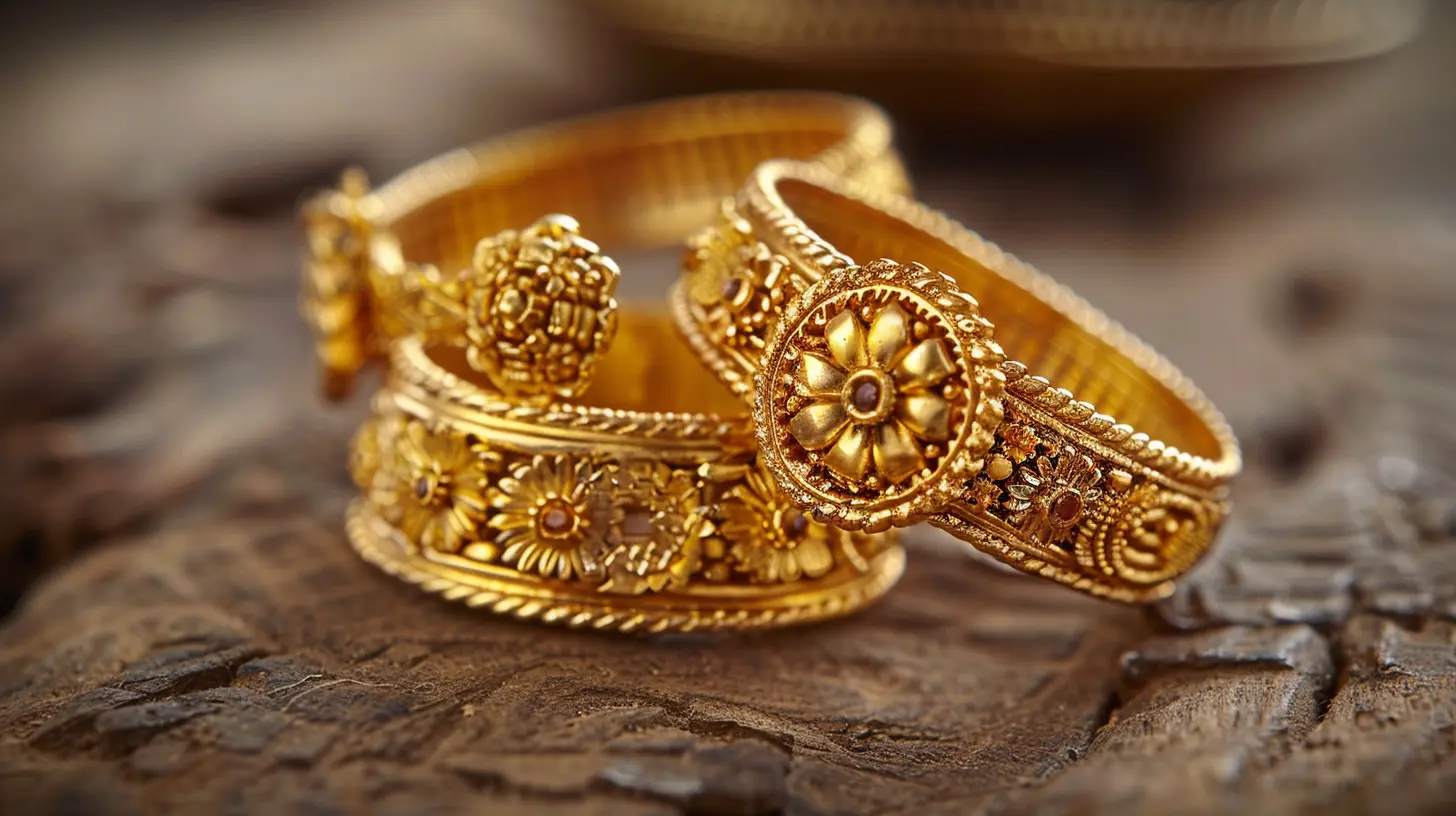
Wait… So Is Gold Jewelry Just Another Way to Invest in Gold?
Kinda. But not quite.Gold as an investment can take different forms:
- Gold bars or coins (aka bullion)
- Gold ETFs (Exchange Traded Funds)
- Gold mining stocks
- And of course, gold jewelry
Gold jewelry stands out because it’s wearable. You don’t just stash it away in a vault or digital account somewhere. You flaunt it! That’s part of its charm—and also what complicates it as a financial investment.
The Pros of Investing in Gold Jewelry
Let’s get to the shiny good stuff first.1. ? Dual Purpose: Fashion + Finance
With gold jewelry, you're not just buying an asset—you’re also buying an accessory. You’re putting your money into something you can wear, show off at weddings, or pass down through generations. That’s a win-win, right?2. ?️ Hedge Against Inflation
Gold has historically performed well during economic downturns and inflationary periods. When cash starts losing value, gold tends to do the opposite. That makes it a popular "safe haven" for investors looking to protect their wealth.3. ? Liquidity: Quick Cash When You Need It
High-quality gold jewelry can often be sold or pawned fairly easily. While you might not get the full price you paid (more on that later), it’s still a tangible asset that can be converted to cash quickly if needed.4. ? Global Demand
Gold jewelry doesn't care where you are. Whether you’re in New York or New Delhi, the value of gold is recognized around the world. That global demand gives it consistent appeal.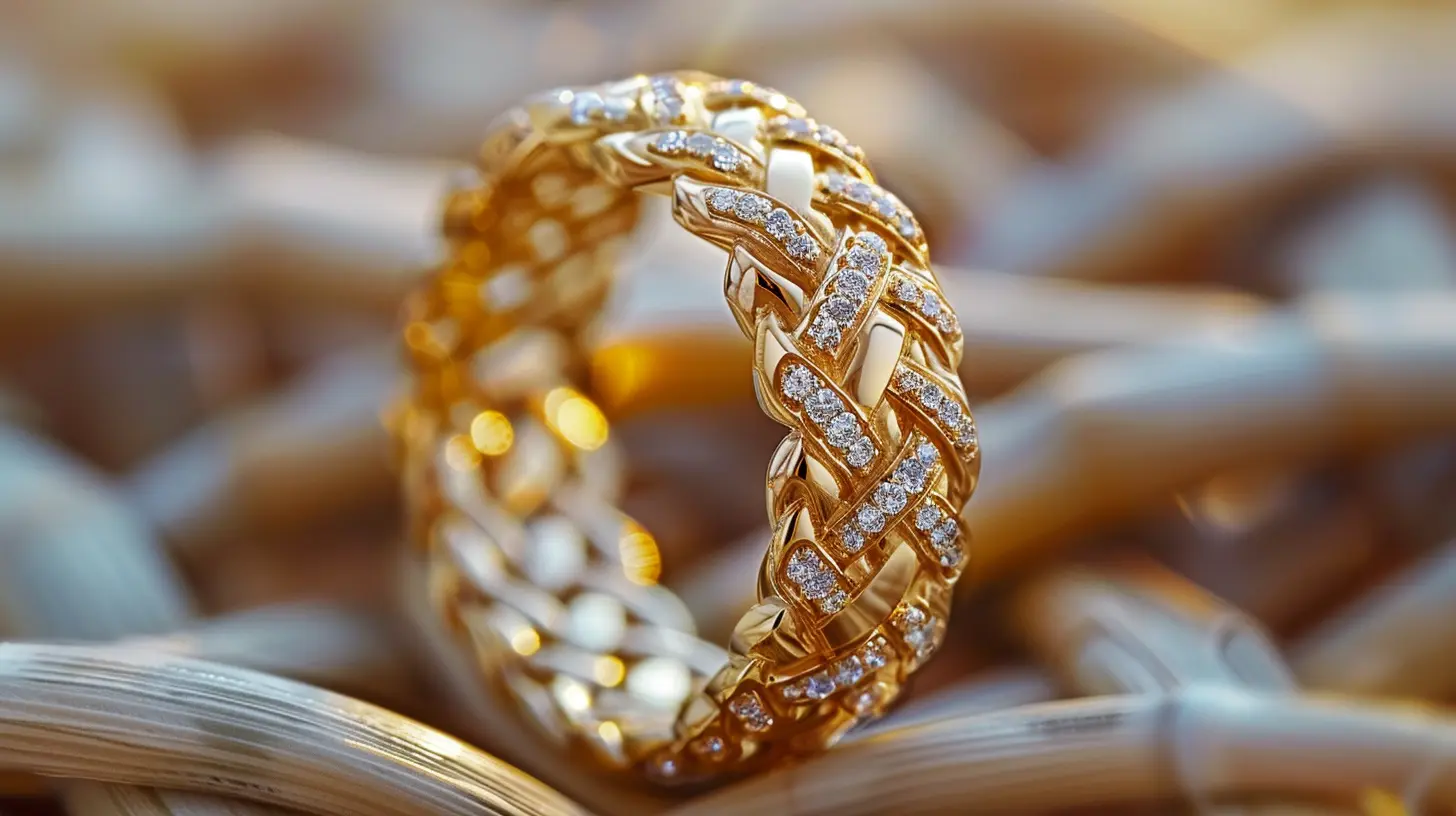
The Drawbacks You Might Not Want to Ignore
Okay, okay, before you grab your wallet and run to the jewelry store, let’s pump the brakes a bit. Investing in gold jewelry has some downsides too.1. ? Premium Markups: You’re Paying More Than Just Gold Value
Here’s the deal—when you buy gold jewelry, you're not just paying for the gold. You’re also paying for:- Craftsmanship
- Design
- Retail markup
- Branding (especially with high-end designers)
That means the price per gram of gold in jewelry is significantly higher than raw gold prices.
So when you try to resell it? Yeah… you might not get all your money back.
2. ? Purity Matters (A Lot!)
Not all gold jewelry is created equal. You've probably heard terms like 24K, 22K, 18K, right?- 24K = Pure gold (soft and less durable)
- 22K = 91.6% gold (most common for high-value jewelry)
- 18K = 75% gold (stronger, but less pure)
The lower the karat, the less gold content—which means less value from an investment point of view.
3. ? Wear and Tear Reduces Value
Unlike gold coins or bars that chill in a safe, jewelry is meant to be worn. And wearing it means exposing it to scratches, chemicals, and wear-and-tear. Over time, that could reduce its resale value.Think of it like driving a brand-new car off the lot. It loses value the moment you wear it out of the store.
4. ? You Might Not Get a Fair Price When Selling
Selling gold jewelry isn’t as simple as flipping a coin or selling a stock. Jewelers may evaluate your item based on its gold content only, ignoring design or sentimental value. Unless it’s a branded, vintage, or rare piece, you might get lowballed.So… Is Gold Jewelry a “Real” Investment?
Let’s be honest: If your goal is pure wealth-building, gold jewelry might not be the best standalone strategy. It doesn't offer dividends, rental income, or compound growth.But that doesn't make it a bad move. In fact, it can be part of a broader, diversified portfolio.
Here’s how some people use gold jewelry as an investment:
- As an inflation hedge
- As a portable, wearable asset
- As a store of generational wealth
- As a cultural or sentimental asset
- As a luxury item with potential resale value
Just don't put all your eggs in the 24K basket, okay?
Tips for Smart Gold Jewelry Investing
If you’re gonna do it, do it right. Here are some tips to make sure your gold jewelry purchase is as financially savvy as it is fabulous:✔️ Know the Purity
Always check the karat. 22K is often a good balance between purity and durability. Look for "hallmarks" that certify the gold content.✔️ Keep the Receipts & Certificates
When it’s time to sell, documentation matters. Hold onto receipts, purity certifications, and appraisal notes to prove authenticity.✔️ Buy From Reputable Sources
Avoid back-alley deals or sketchy online sellers. Go for jewelers who are certified and reputable to ensure you’re getting what you pay for.✔️ Avoid Overpaying for Designs or Brands (Unless That’s Your Thing)
Designer pieces can carry heavy markups that are hard to recover during resale. If you’re buying primarily for investment, go for simple designs with high gold content.✔️ Store It Safely
Think fireproof home safes or even bank lockers. Don’t just toss your gold chain in a sock drawer. It’s called “precious metal” for a reason.Alternatives to Investing in Gold Jewelry
If you're curious about investing in gold but not sure about taking the jewelry route, there are plenty of options:- Gold ETFs: Trade like stocks, backed by physical gold.
- Physical Bullion: Bars or coins that you can store securely.
- Gold Savings Plans: Buy small amounts over time digitally.
- Gold Mining Stocks: Invest in companies that produce gold.
These are often better options if your goal is portfolio diversification and actual returns.
Who Should Consider Gold Jewelry as an Investment?
Honestly? It depends on your personal goals.? If You Value Tradition and Heirlooms
Gold jewelry is perfect if you love the idea of passing down wealth in a tangible, meaningful form.? If You Want Wearable Wealth
If you want to accessorize AND invest at the same time—go for it. Just understand it’s not going to perform like buying Apple stock.? If You’re Diversifying Your Portfolio
Gold jewelry can be one small piece of a larger investment puzzle. Just make sure it’s balanced with actual income-generating or appreciating assets.The Bottom Line: Is It a Smart Financial Move?
Here’s the tea: gold jewelry can be a smart financial move—but only when approached with the right expectations.If you’re expecting high returns, fast appreciation, or big profits… you might be disappointed. But if you’re looking for a stylish way to hold a portion of your wealth in something tangible and timeless—gold jewelry earns its spot in your financial plan.
Think of it as a slow-burning candle, not a firework.
It’s wealth you can wear. And honestly? That’s kind of awesome.
Final Thoughts
Investing in gold jewelry isn’t a slam-dunk way to build wealth—but it’s also far from foolish. It’s part sparkle, part strategy. The key is knowing what you want from your investment. If your priorities include beauty, tradition, and tangible value, gold jewelry might just be your golden opportunity.Just don’t buy every necklace on display and call it a retirement plan, okay?
all images in this post were generated using AI tools
Category:
Gold InvestmentAuthor:

Audrey Bellamy
Discussion
rate this article
1 comments
Zinn Taylor
This article offers valuable insights. Investing in gold jewelry can be both beautiful and practical, but it's important to weigh the pros and cons.
July 15, 2026 at 12:41 PM
Audrey Bellamy
Thank you for your thoughts! Weighing the pros and cons is definitely key when considering gold jewelry as an investment.