How Offshore Accounts Help Multinational Corporations Manage Capital
8 April 2026
When you hear “offshore accounts,” what’s the first thing that comes to mind? For many, it's secrecy, maybe even something out of a Hollywood thriller. But here’s the real deal: offshore accounts aren’t just shady financial hideouts — they’re actually powerful tools that help multinational corporations (MNCs) manage capital across borders efficiently, legally, and smartly.
If you’re a curious reader, business owner, or finance enthusiast, this guide is going to clear the fog. We’re diving into the nuts and bolts of how these accounts function, why they’re used, and how they play a crucial role in the financial strategies of global companies.
🌍 What Are Offshore Accounts, Really?
Offshore accounts are simply bank accounts that are held in a country outside of where the individual or corporation resides or primarily operates.Now, before your eyebrows shoot up — it’s perfectly legal (as long as everything is disclosed and managed according to tax laws). For MNCs, offshore accounts are less about hiding money and more about strategically positioning it.
A Simple Analogy
Think of capital like water. If you’re trying to water a garden that spans multiple countries, wouldn’t it make sense to have reservoirs closer to each plot rather than building one massive tank in your backyard? Offshore accounts are kind of like those extra reservoirs — they keep funds near operations, save costs, and improve efficiency.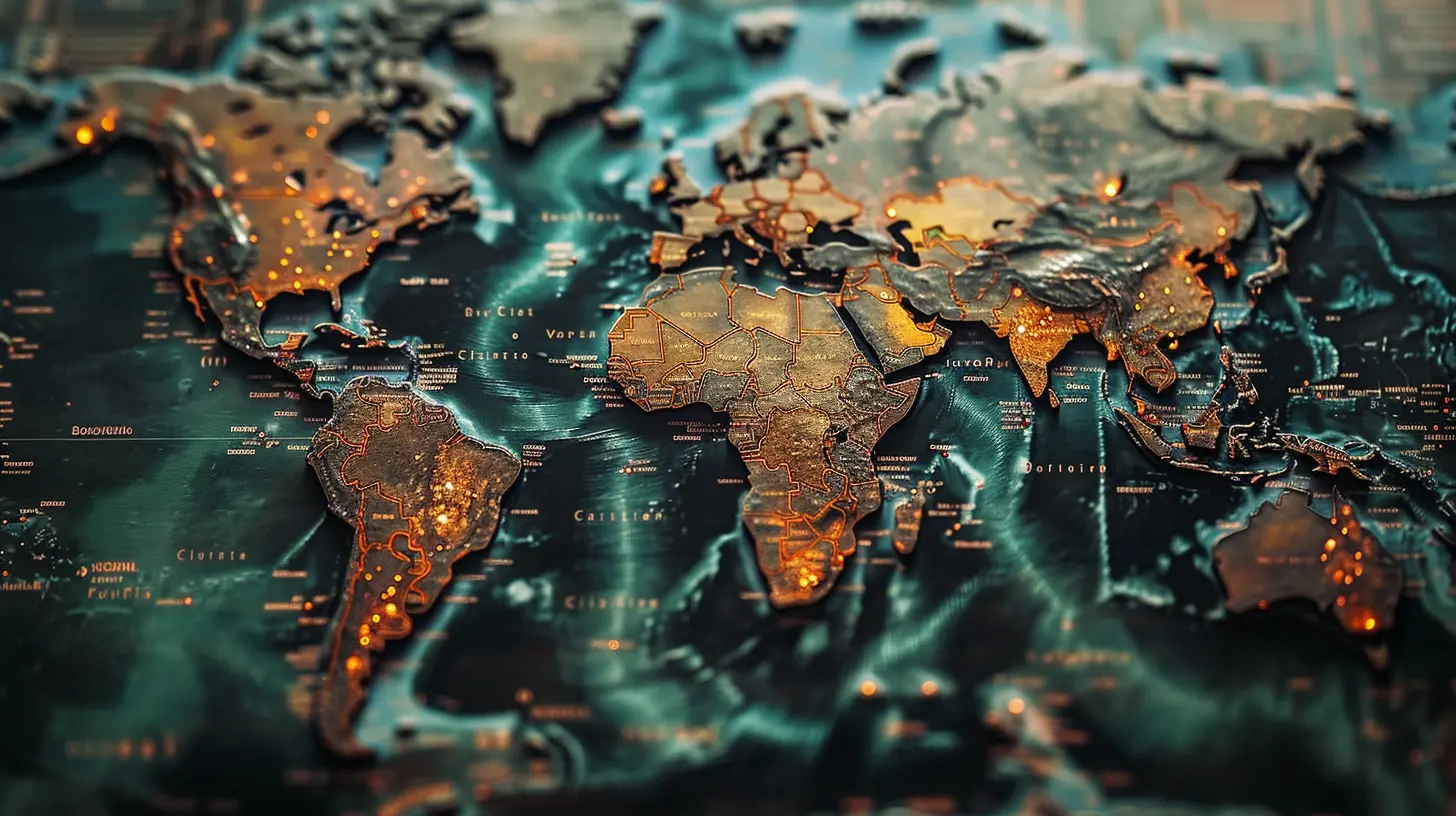
🏦 Why Multinational Corporations Use Offshore Accounts
Multinational corporations have their fingers in a lot of pies. Operating in multiple countries means dealing with tons of currencies, regulations, tax systems, and logistical challenges. Offshore accounts help manage all that chaos a bit more gracefully.Let’s break down the top reasons MNCs turn to offshore banking.
🔁 Currency Management & Conversion
When companies are doing business in multiple countries, they’re constantly dealing with currency exchange. Having offshore accounts allows them to:- Hold money in local currencies
- Avoid unfavorable conversion rates
- Move capital seamlessly between accounts
Imagine trying to pay a supplier in Singapore from a U.S.-based account — things get messy, fast. Offshore accounts simplify that.
🧾 Tax Efficiency (Not Evasion!)
Let’s clear the air here: tax evasion is illegal. Tax efficiency is not. MNCs use tax planning strategies to reduce overall liabilities, and offshore accounts often play a big role.Certain jurisdictions (like Ireland, Luxembourg, or Singapore) offer lower corporate tax rates. Using accounts in these places allows companies to:
- Route profits legally
- Take advantage of local tax treaties
- Avoid double taxation
Again — this is all within the lines if done correctly. Most big firms have legal teams ensuring all moves are aboveboard.
💸 Improved Cash Flow Management
MNCs don’t just hold money in offshore accounts for fun — they do it to keep the wheels turning. Having cash close to where it’s needed allows them to:- Pay international employees and vendors promptly
- Fund expansion or acquisitions locally
- Handle emergencies without delay
It’s all about flexibility. Think of it like having several wallets around the world — handy and quick.
🔒 Safeguarding Assets
In some home countries, political instability or economic turbulence can put corporate assets at risk. Offshore banking in politically stable jurisdictions:- Protects assets from domestic uncertainty
- Offers better legal protection and privacy
- Provides access to international banking systems
It’s not about dodging the system — it’s about playing smart defense within it.
🕒 Faster International Transactions
Let’s be honest: international banking can be a slow, painful process. Offshore accounts, especially those in financial hubs like Hong Kong or Switzerland, streamline the experience by:- Cutting down on transfer delays
- Providing faster access to credit lines
- Offering 24/7 online banking with global support
For fast-moving companies, time is money. Offshore accounts help save both.
🌐 Where Are These Accounts Usually Held?
You probably recognize some of the “usual suspects” when it comes to offshore banking:- Cayman Islands
- Luxembourg
- Switzerland
- Singapore
- Ireland
- The Netherlands
- Bermuda
These aren’t chosen randomly. They’re selected because they offer a mix of:
✅ Strong banking infrastructure
✅ Investor-friendly regulations
✅ Political stability
✅ Tax treaties
✅ Talent for international finance 
💼 Real-Life Scenarios: Offshore Accounts in Action
Let’s bring the theory to life. Here are some real-world examples (without naming names, of course):1. Tech Giant in Ireland
A major Silicon Valley firm holds offshore accounts in Ireland, using the country’s favorable corporate tax rate (12.5%) to manage European revenues. Funds received from customers are deposited directly into Irish accounts and reinvested locally for R&D — all with minimal tax impact.2. Pharma Company in Switzerland
A pharmaceutical giant with operations in 40+ countries banks through Switzerland. Why? Because Swiss banking laws offer stability and privacy. Plus, they’re centrally located in Europe, making it easier to manage multiple revenue streams and supplier payments.3. Retail Chain Expanding in Asia
An American retail brand sets up offshore accounts in Singapore. They use those accounts to handle payroll, rent, and vendor payments across their stores in Southeast Asia — all without needing to route cash back and forth from the U.S.🚦 The Rules and Regulations to Watch
Okay, so offshore accounts sound pretty handy. But don’t get carried away — they come with a hefty set of rules, depending on where you're based.For U.S. Corporations
- Must report foreign bank accounts (FBAR)- Must file Form 8938 under FATCA
- Cannot use accounts to hide revenues or avoid IRS obligations
For EU Corporations
- Subject to Common Reporting Standards (CRS)- Transparency is key — hidden accounts can lead to massive fines
So while offshore accounts offer huge benefits, companies need to stay squeaky clean with compliance. One wrong move could mean reputational damage, audits, or worse.
🧠 Strategic Uses of Offshore Accounts in Capital Management
Managing capital isn’t just about storing money. It’s about deploying it in the smartest way possible. Offshore accounts support:💳 Treasury Operations
Many MNCs use centralized offshore accounts as global cash management hubs. These allow them to oversee liquidity, forecast cash flow, and allocate resources where they’re most needed — fast.🏗️ Capital Reinvestment
Instead of sending profits back home (and possibly getting taxed on them), companies reinvest through their offshore accounts in local infrastructure, technology, or partnerships.🛡️ Risk Mitigation
Sudden currency devaluation? Offshore accounts in stable currencies like USD, EUR, or CHF offer a buffer. This shields portions of the company’s assets and keeps operations intact.🤔 Are Offshore Accounts Ethical?
Great question. Offshore doesn’t automatically mean unethical. It all depends on:- Transparency
- Compliance
- Intent
If the goal is to streamline operations, protect assets, and optimize taxes legally — there’s nothing inherently wrong. But if it’s used to dodge taxes, fund illegal activities, or hide wealth? That’s crossing a line.
The key is transparency. Most Fortune 500 companies disclose their offshore structures in annual reports, ensuring they follow international law.
📊 Offshore vs. Onshore: Which Is Better?
It’s not about one being better than the other — it’s about purpose.| Feature | Offshore | Onshore |
|--------|----------|---------|
| Currency flexibility | ✅ | ❌ |
| International reach | ✅ | ❌ |
| Tax optimization | ✅ | ❌ |
| Regulation complexity | ❌ | ✅ |
| Public perception | ❌ | ✅ |
The smartest corporations use a hybrid approach — maintaining both onshore and offshore accounts to balance regulation with flexibility.
💭 Final Thoughts
Offshore accounts aren't about secrecy — they’re about strategy. For multinational corporations, they’re like the gears inside a well-oiled machine, ensuring global operations run smoothly, money flows efficiently, and business remains competitive.Sure, they’ve gotten a bad rap now and then, but when used properly, they’re an essential part of modern capital management. So next time you hear about offshore accounts, remember — it’s not about hiding treasures on a desert island; it’s more like parking your funds at the right pit stops on a global racetrack.
📌 Key Takeaways
- Offshore accounts help multinational companies manage capital across multiple jurisdictions.- They aid in tax efficiency, currency management, and safer international transactions.
- When used ethically and legally, they support growth, stability, and global expansion.
- Compliance and transparency are non-negotiable — one misstep can cost big.
all images in this post were generated using AI tools
Category:
Offshore AccountsAuthor:

Audrey Bellamy
Discussion
rate this article
2 comments
Kian McQuillan
Offshore accounts can provide multinational corporations significant advantages in managing capital, including tax optimization, currency diversification, and enhanced financial privacy. By strategically utilizing these accounts, companies can streamline operations, safeguard assets, and improve cash flow, ultimately supporting growth and stability in a competitive global market.
April 28, 2026 at 12:52 PM
Audrey Bellamy
While offshore accounts do offer advantages like tax optimization and asset protection, they also raise ethical concerns and regulatory scrutiny. It's essential for companies to balance these benefits with responsible practices.
Isabella Summers
Great insights! Exploring the benefits of offshore accounts can really help understand how companies optimize capital and reduce tax liabilities effectively.
April 9, 2026 at 4:21 AM
Audrey Bellamy
Thank you! I'm glad you found the insights valuable. Offshore accounts indeed play a crucial role in capital management and tax optimization for multinational corporations.